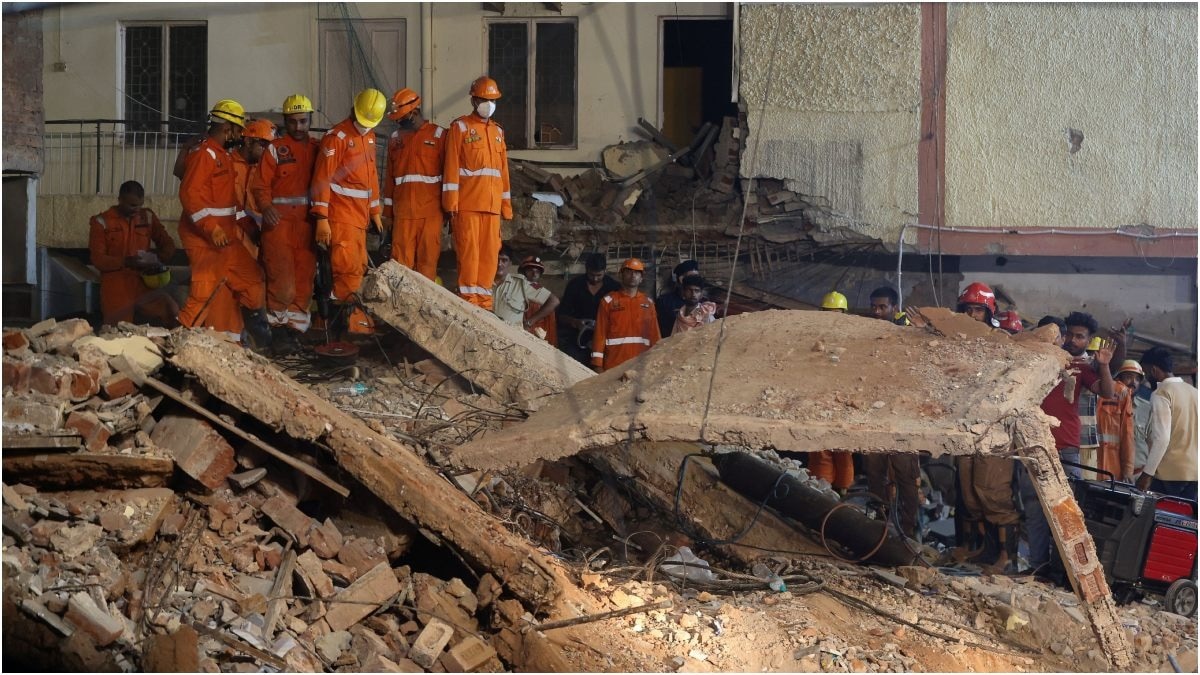
A magnitude‑7.4 earthquake has claimed at least 169 lives in Cali, Colombia’s third‑largest city. Rescue teams are combing through collapsed structures while residents cling to any sign of hope.
Key Takeaways
- 169 confirmed deaths
- Hundreds injured
- Rescue crews searching collapsed buildings
The 7.4‑magnitude tremor that struck western Colombia devastated Cali, the nation’s third‑most populous city. Official reports confirm at least 169 fatalities and dozens of injuries as buildings crumble and streets fill with debris.
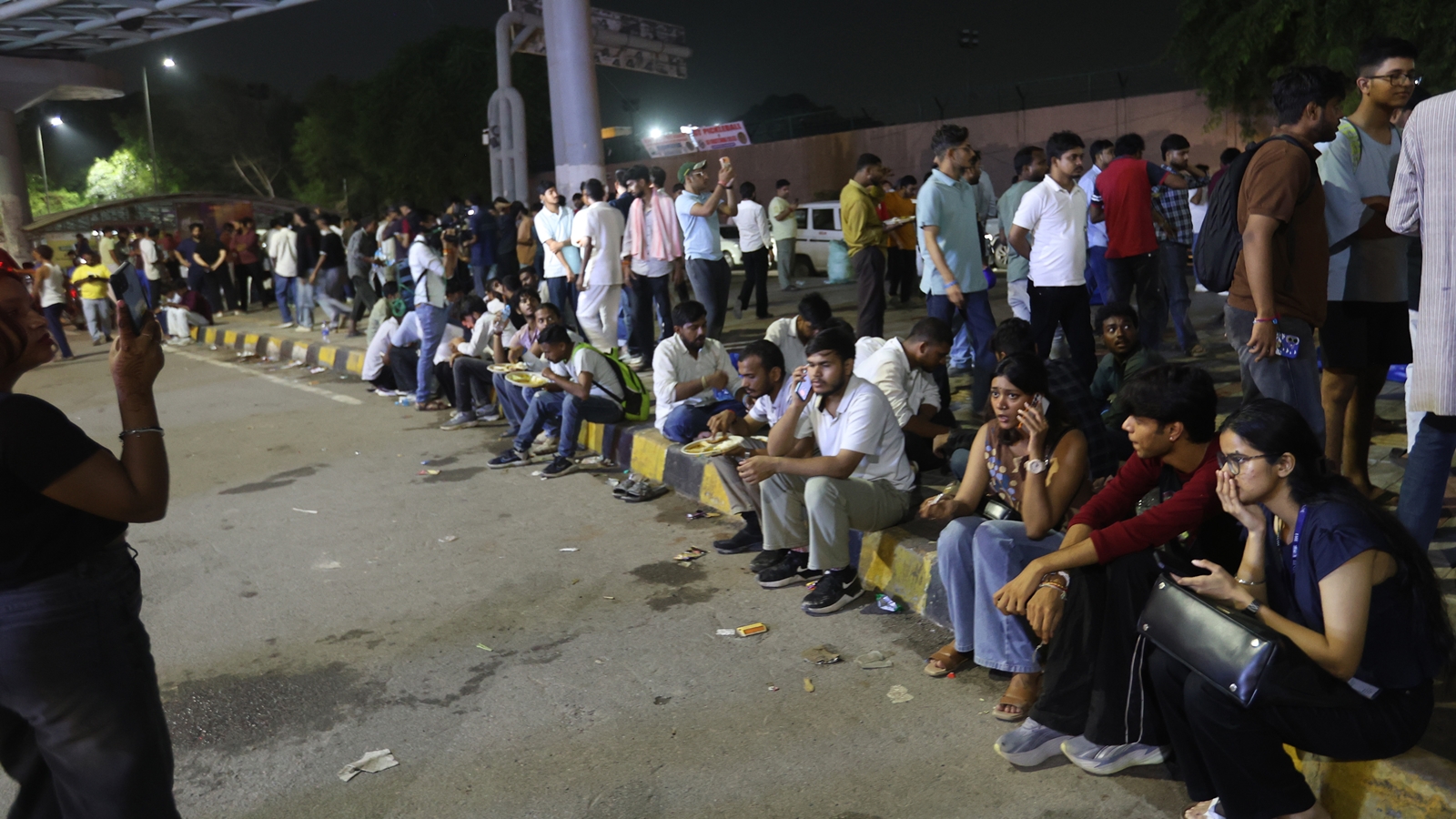
Emergency response units have mobilized across the hardest‑hit neighborhoods, deploying heavy‑equipment crews to sift through rubble while volunteers distribute food, water, and medical supplies. Many families remain without basic necessities, compounding the humanitarian crisis.
Seismologists warn that the region’s complex fault network could generate further aftershocks. BozokMedia analysis shows that such large‑scale events often precede a period of heightened seismic activity, underscoring the need for ongoing vigilance.
"A quake of this magnitude in north‑western Colombia is rare, but tectonic data suggest the potential for similar events in the future," said seismologist Dr. Maria Ernas.
Why This Matters
The disaster not only inflicts human loss but also threatens the city’s economic recovery and infrastructure stability. Prolonged damage could deter investment and delay critical development projects, making the response and reconstruction strategy a matter of national importance.
Frequently Asked Questions
What triggered the earthquake? It resulted from a sudden slip along a fault line at the boundary of Colombia’s tectonic plates.
How long will rescue operations continue? Authorities expect rescue and relief efforts to persist for several weeks until all affected zones are fully assessed.