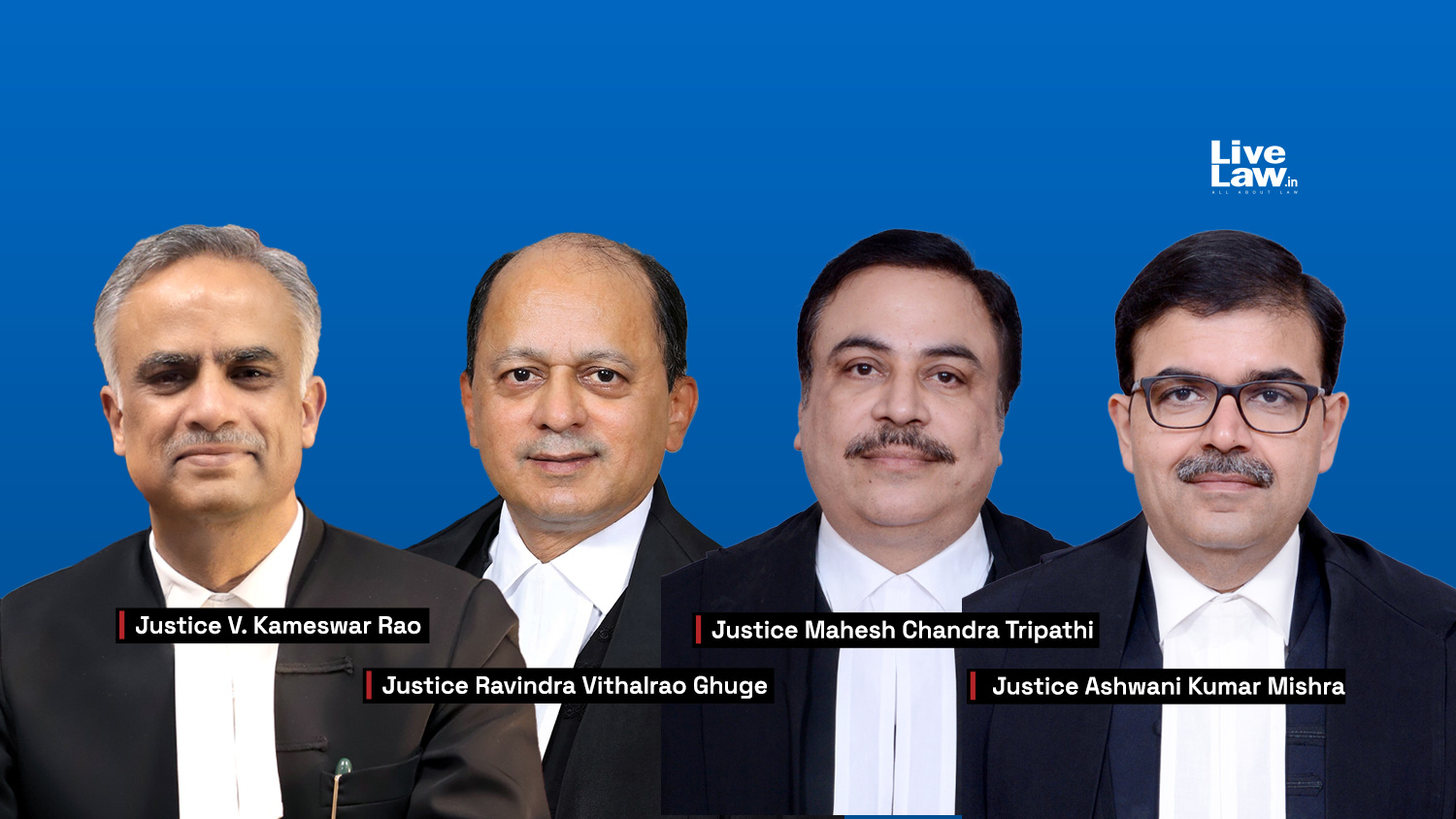
In a significant move to strengthen the judiciary, the Supreme Court Collegium has recommended the appointment of Chief Justices for four High Courts, including a key transfer to Patna.
Key Takeaways
- The SC Collegium has proposed new Chief Justices for four different High Courts.
- Justice V. Kameswar Rao of the Delhi High Court is recommended as the Chief Justice of the Patna High Court.
- Justice Ravindra Vithalrao Ghuge, currently Acting CJ of the Bombay High Court, is recommended for permanent appointment.
The Supreme Court Collegium, the body responsible for the appointment and transfer of judges in India, has formally recommended the appointment of Chief Justices for four High Courts. This move is part of the ongoing effort to fill vacancies and ensure the smooth administration of justice across various state jurisdictions.
Among the most notable recommendations is the transfer of Justice V. Kameswar Rao. Currently serving in the Delhi High Court, Justice Rao has been recommended to take over the leadership of the Patna High Court as its Chief Justice. Such transfers are often strategic, aimed at balancing judicial expertise across different regions.
Furthermore, the Collegium has moved to regularize the leadership in Maharashtra and Goa. Justice Ravindra Vithalrao Ghuge, who has been performing the duties of the Acting Chief Justice of the Bombay High Court, has now been recommended for the full-time role of Chief Justice.
Why This Matters
BozokMedia analysis shows that the timely appointment of Chief Justices is critical for reducing case pendency. When a High Court operates without a permanent Chief Justice, administrative decisions and the assignment of benches can face delays, directly impacting the speed of justice for millions of litigants.
The Collegium system remains the bedrock of judicial independence in India, ensuring that appointments are based on seniority and merit rather than executive preference.
Historical Background
The Collegium system evolved through a series of judgments known as the 'Three Judges Cases,' establishing that the Chief Justice of India and the senior-most judges of the Supreme Court have the final say in judicial appointments to prevent government interference in the judiciary.
Frequently Asked Questions
Q1: What is the Supreme Court Collegium?
It is a system of judges who decide on the appointment and transfer of judges to the High Courts and the Supreme Court.
Q2: Does the government have a role in these appointments?
Yes, the recommendations are sent to the Central Government, which then issues the official warrants of appointment after necessary vetting.