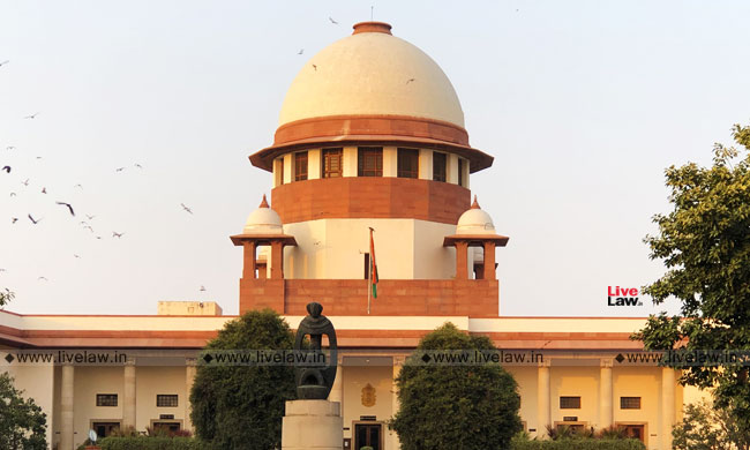
The Supreme Court has dismissed a third petition seeking the mandatory registration and state supervision of institutions providing religious education to children under 14, urging the petitioner to enforce previous court orders.
Key Takeaways
- The Supreme Court dismissed a petition seeking registration and supervision of religious education centers.
- The court reprimanded the petitioner for filing a third writ on the same cause of action.
- Justice Aravind Kumar advised the petitioner to file for contempt rather than a new writ.
- The petitioner alleged that unregistered institutions are radicalizing children.
New Delhi: A bench comprising Justice Aravind Kumar and Justice Vipul M Pancholi on August 10 dismissed as withdrawn a petition seeking the registration, recognition, and supervision of all institutions imparting religious education to children up to the age of 14. The Court expressed its reluctance to entertain repetitive filings on the same issue.
The court noted that the petitioner, Ashwini Upadhyay, had already approached the court twice before. In a previous instance, the court had directed him to make a representation to the concerned authorities. When Upadhyay claimed that no decision had been taken on said representation, the bench suggested that the appropriate legal remedy was to file a contempt petition to enforce the existing order.
Why This Matters
BozokMedia analysis shows that this case highlights the tension between the constitutional right to impart religious instruction and the state's interest in preventing radicalization. The petitioner's argument centers on the idea that unsupervised religious education can threaten national integration and internal security. Furthermore, it challenges the scope of Article 30, arguing that it should only protect 'secular/professional' institutions rather than purely religious ones.
"The judiciary must balance the fundamental right to religious freedom with the necessity of ensuring that education does not become a tool for systemic radicalization."
During the proceedings, Justice Kumar cautioned the petitioner against 'scoring a self-goal' by spoiling a potentially good case through repetitive litigation. He emphasized that once a writ is granted in one's favor, the focus should be on enforcement, not fresh litigation.
Frequently Asked Questions
Q1: Why did the Supreme Court refuse to hear the petition?
The Court refused because it was the third petition on the same issue and the petitioner already had a legal remedy (a previous order) that he could enforce via contempt proceedings.
Q2: What was the petitioner's primary argument?
Ashwini Upadhyay argued that thousands of unregistered institutions are brainwashing children under the guise of religious education, posing a risk to national security.