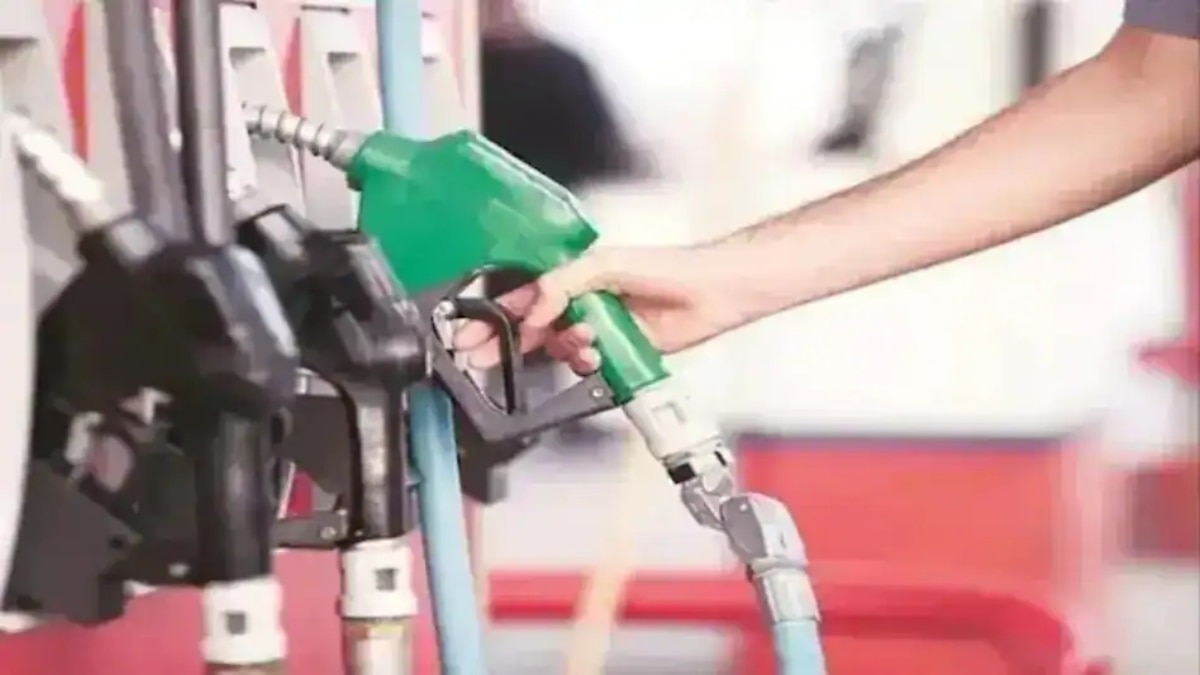
The Himachal Pradesh government has introduced a 60-paise per litre cess on petrol and diesel to fund welfare programs for widows and orphans, effective August 12.
Key Takeaways
- A new 60-paise per litre cess applied to petrol and diesel.
- Funds are specifically earmarked for the welfare of widows and orphans.
- The levy can potentially be increased to Rs 5 per litre in the future.
- Implemented under the state's VAT law via the State Taxes and Excise Department.
In a significant move to bolster social security, the Himachal Pradesh government has imposed an additional 60-paise per litre cess on both petrol and diesel. Effective from August 12, this levy is designed to create a dedicated fund for the welfare of widows and orphans across the state.
The notification, issued by the State Taxes and Excise Department under the state's Value Added Tax (VAT) law, follows approval from the Council of Ministers. The cess will be collected at the initial point of sale, specifically when oil companies supply fuel to local dealers.
Why This Matters
BozokMedia analysis shows that while the immediate impact on the common man's wallet is minimal, the long-term implications are substantial. The government has strategically included a provision that allows the cess to be scaled up to Rs 5 per litre. This move aims to insulate welfare funding from the fluctuations of the annual state budget, ensuring a steady stream of revenue for vulnerable populations.
Creating a dedicated revenue stream for social welfare is a progressive fiscal move, yet it places the financial responsibility of social safety nets directly on the fuel consumers.
Historical Background
The journey toward this levy began in March 2026, when Chief Minister Sukhvinder Singh Sukhu introduced the proposed bill in the Legislative Assembly. Despite a walkout by the Opposition, the bill was passed via a voice vote. The administration's core argument was that existing budget allocations were insufficient to provide the consistent support required by economically weaker sections.
However, the implementation has sparked debate regarding the economic impact on farmers, taxi operators, and daily commuters, who are often the most sensitive to even minor changes in fuel costs.
Frequently Asked Questions
1. How will this cess affect my fuel bill?
Currently, you will see an increase of 60 paise per litre in the cost of petrol and diesel.
2. Can the government increase this tax again?
Yes, the current notification allows the state to increase the cess up to Rs 5 per litre.