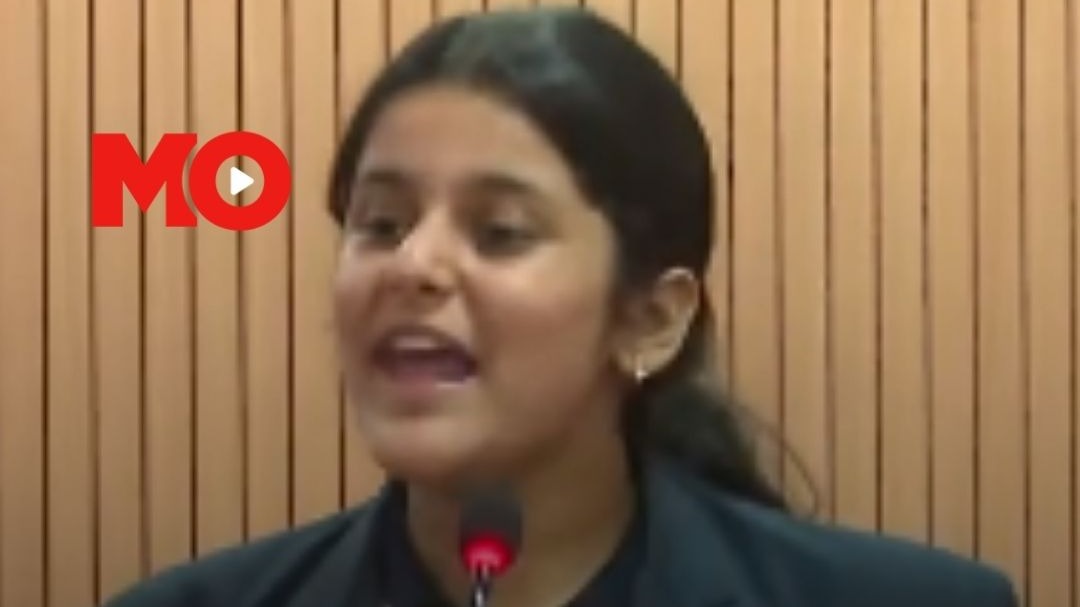
A courageous student in Mumbai has directly challenged the Chief Justice, questioning the systemic promotion of unemployment among the youth. The outburst has sparked a massive debate on job security and judicial accountability.
Key Takeaways
- A student in Mumbai confronted the Chief Justice regarding rising unemployment.
- The confrontation highlights the growing frustration among India's youth.
- The incident has triggered a nationwide discussion on economic policies and judicial perception.
In a moment that has sent shockwaves through the legal and social community, a Mumbai-based student took the unprecedented step of confronting the Chief Justice of India (CJP). The student's blunt question, "Why are you promoting unemployment?", has become a flashpoint for national discourse.
A Direct Challenge to the Bench
During the proceedings, the student did not shy away from expressing deep-seated frustration regarding the lack of economic opportunities for educated graduates. The outburst was not merely an emotional plea but a direct critique of the socio-economic landscape that the judiciary oversees.
Why This Matters
BozokMedia analysis shows that such confrontations signify a shift in how the younger generation perceives institutional authority. It is no longer just about legal arguments; it is about the tangible reality of survival and career prospects in a competitive economy.
"The courtroom has become a stage for the socio-economic anxieties of a generation that feels left behind."
Historically, India has struggled with the 'jobless growth' phenomenon, where GDP rises but employment generation lags. This disconnect between academic achievement and professional stability continues to be a major hurdle for national development.
Frequently Asked Questions
Question 1: What was the core of the student's protest?
Answer: The student protested against the perceived systemic failure to provide adequate employment opportunities for the youth.
Question 2: How has the public reacted?
Answer: The incident has gone viral, with many supporting the student's right to voice economic grievances in a public forum.