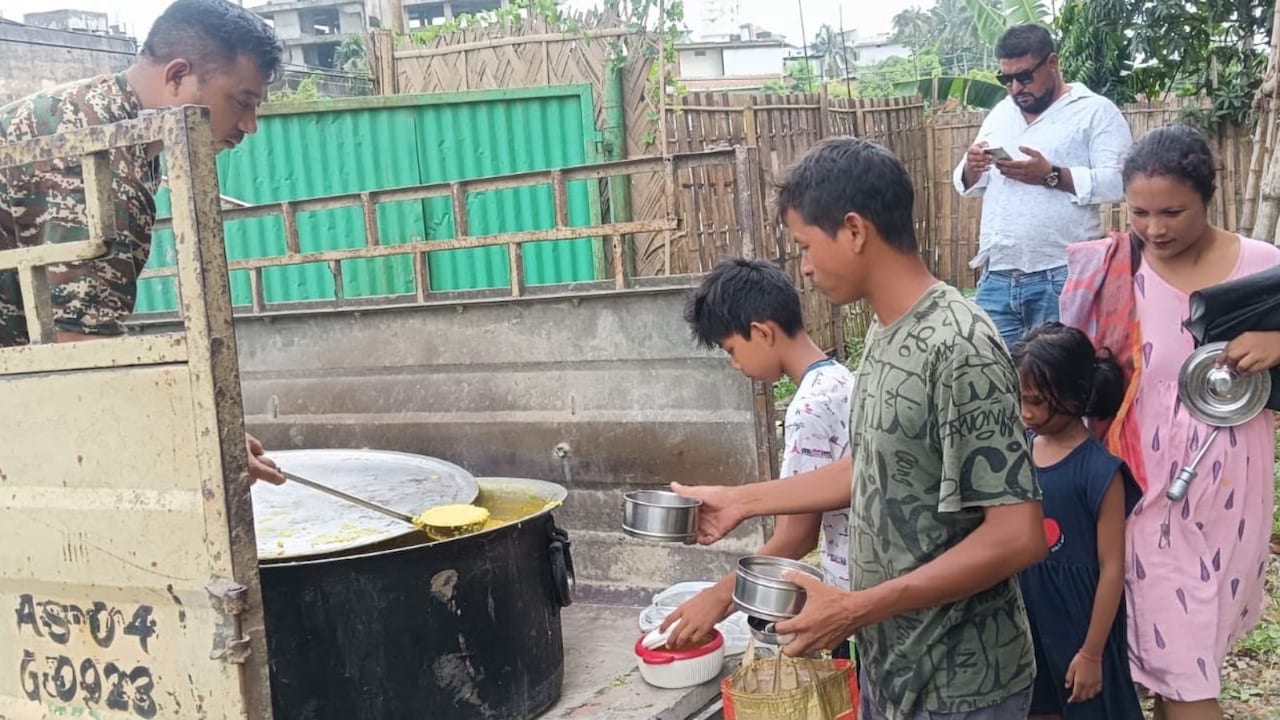
In a remarkable display of humanity, the 149th Battalion of the CRPF provided freshly cooked meals to flood victims in Assam's Sivasagar district, reaching areas cut off from the world.
Key Takeaways
- CRPF's 149th Battalion led relief efforts in flood-ravaged Assam.
- Freshly cooked hot meals were delivered to remote, inaccessible areas in Sivasagar.
- The initiative provided vital sustenance to families cut off by rising floodwaters.
As devastating floods continue to ravage parts of Assam, the 149th Battalion of the Central Reserve Police Force (CRPF) has emerged as a beacon of hope. In the Sivasagar district, where rising water levels have severed almost all communication and transport links, the CRPF has stepped in to provide much-needed nutritional support to stranded families.
The operation was particularly challenging due to the geography of the region. With roads submerged and access routes blocked, the CRPF personnel went beyond their standard duties by preparing hot, freshly cooked meals on-site. These meals were then transported to remote settlements that had been isolated for several days due to the deluge.
Why This Matters
BozokMedia analysis shows that during large-scale natural disasters, the logistics of food distribution often become the primary bottleneck in relief operations. By mobilizing cooking resources alongside rescue teams, the CRPF has addressed the immediate survival needs of the population, preventing further hardship in isolated pockets.
The transition from tactical security to humanitarian relief is crucial in maintaining social stability during catastrophic natural disasters.
Historically, the Brahmaputra valley has faced perennial flooding challenges. The evolution of central paramilitary forces from combat roles to integrated disaster response units marks a significant shift in India's internal security and civil assistance framework.
Frequently Asked Questions
1. Which battalion was involved in the Assam relief operations?
The 149th Battalion of the CRPF spearheaded the food distribution efforts in the Sivasagar region.
2. Why was the food delivery considered a major achievement?
Because the areas were completely cut off from all supply chains due to heavy flooding, making manual delivery the only option.