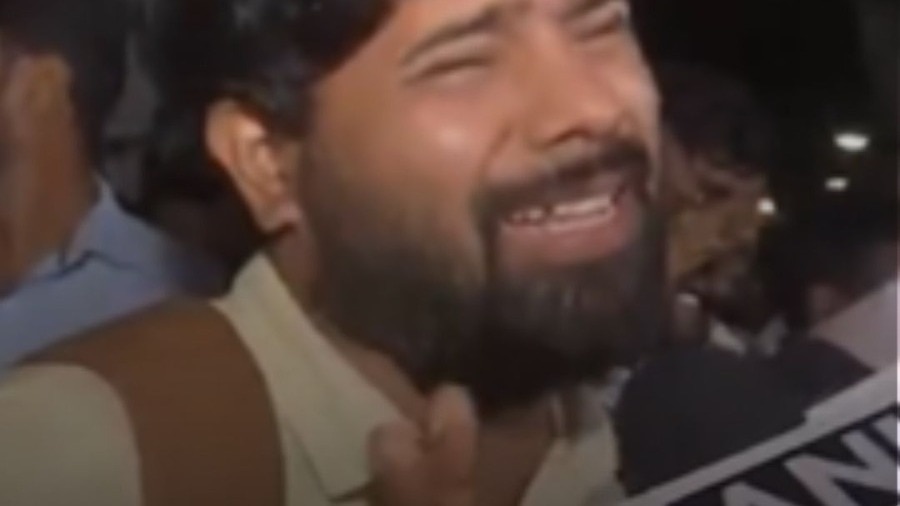
A formal complaint has been lodged in Madhya Pradesh against Abhijit Dipke and Saurabh Das regarding the presence of minors during a protest at Jantar Mantar. The controversy intensified after a minor was reportedly injured during a police lathi charge.
Key Takeaways
- Legal scrutiny intensifies over the presence of minors at the Jantar Mantar protest.
- Formal complaints filed against Abhijit Dipke and Saurabh Das in MP.
- Demands for POCSO Act charges following injuries to a minor during police action.
The legal landscape for activists is shifting following the recent unrest at Jantar Mantar. A formal complaint has been registered in Madhya Pradesh against Abhijit Dipke and Saurabh Das, alleging the improper involvement of minors in a public protest. The situation escalated after reports surfaced regarding a minor sustaining injuries during a police lathi charge amidst the demonstration.
Legal Implications and POCSO Demands
Complainants are highlighting the potential violation of child safety laws, demanding that the authorities invoke the POCSO (Protection of Children from Sexual Offences) Act and other relevant statutes. The core of the argument rests on whether the organizers intentionally placed children in a volatile environment prone to physical violence.
Why This Matters: BozokMedia Analysis
BozokMedia analysis shows that this case could set a significant legal precedent regarding the boundaries of civil disobedience. If the allegations are proven, it could drastically change how organizers manage demographics during protests, potentially leading to stricter oversight of who is permitted to participate in high-tension demonstrations.
The involvement of minors in volatile protest zones shifts the legal nature of the event from a political assembly to a potential criminal negligence case.
Law enforcement agencies are currently investigating the chain of command to determine if the organizers were aware of the presence of minors and if they failed to provide adequate safety measures.
Historical Background
Jantar Mantar has long served as a central hub for socio-political activism in India. Over the years, it has seen various clashes between protestors and law enforcement, often raising questions about crowd control, the right to assemble, and the safety of vulnerable groups during public unrest.
Frequently Asked Questions
1. What are the specific allegations against the organizers?
They are accused of exposing minors to physical danger and violating child protection norms during a protest.
2. Will this affect future protests?
Yes, a conviction or strict ruling could lead to much tighter regulations on who can attend and organize public demonstrations.