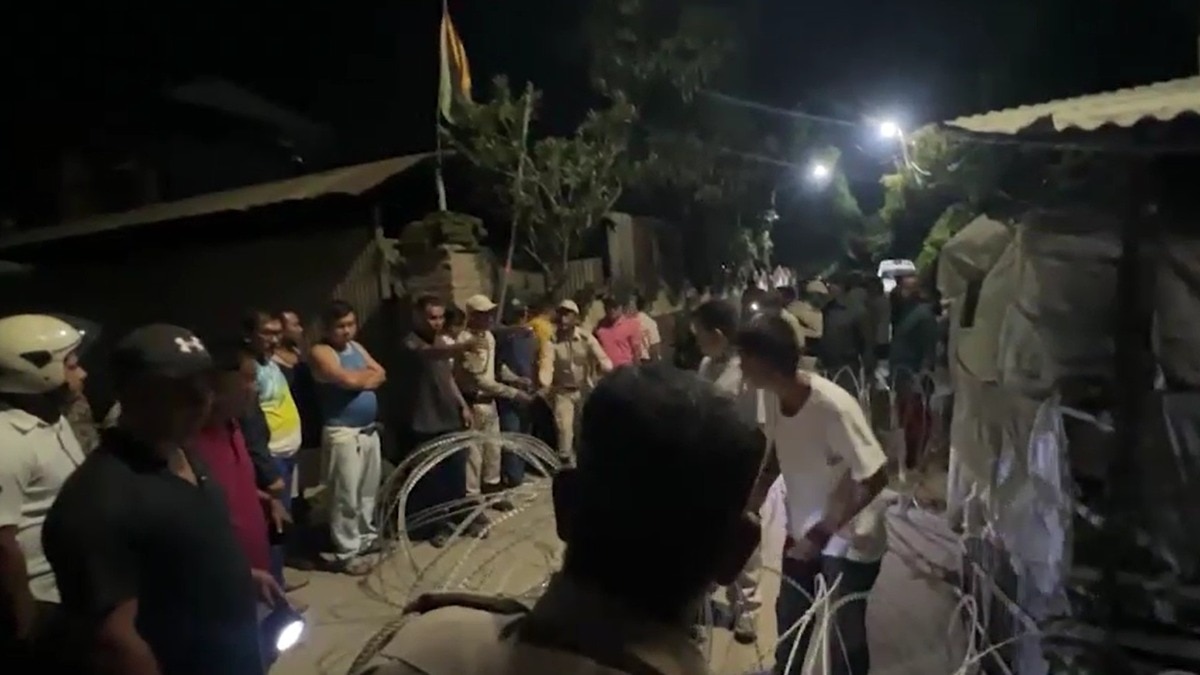
Rescue operations continue for the second consecutive day in Mumbai's Sakinaka area following a devastating landslide. Officials fear two individuals remain trapped under the debris.
Key Takeaways
- Landslide in Sakinaka's Gaushiya Chawl has claimed seven lives.
- Two persons are feared trapped under the heavy debris.
- Narrow access routes are preventing the use of heavy machinery.
- NDRF, Fire Brigade, and BMC are leading the rescue efforts.
Mumbai: The search and rescue operations entered their second day on Thursday following a catastrophic landslide in the Sakinaka area of Mumbai. Officials have expressed grave concern that two individuals may still be trapped beneath the massive piles of soil and boulders.
The incident occurred in the early hours of Wednesday in the Gaushiya Chawl locality of Ashok Nagar, Chirag Nagar. Heavy monsoon rains triggered a landslide from an adjacent hillock, causing boulders and mud to crush three shanties, resulting in seven fatalities and leaving seven others injured.
The Challenge of Narrow Access
Rescue teams are facing significant logistical hurdles. The site's location in a densely populated area with extremely narrow access routes has made it impossible to deploy heavy machinery or cranes. Consequently, personnel from the National Disaster Response Force (NDRF), the fire brigade, and the Brihanmumbai Municipal Corporation (BMC) are forced to conduct manual search operations.
Why This Matters
BozokMedia analysis shows that the recurring nature of landslides in Mumbai's hilly outskirts highlights a critical gap in urban planning and disaster preparedness. As monsoon intensity increases due to climate shifts, the vulnerability of informal settlements near slopes remains a ticking time bomb for city administrators.
The combination of steep terrain and narrow urban corridors creates a 'rescue bottleneck' that severely hampers emergency response times.
The BMC has confirmed that residents from surrounding vulnerable shanties have been evacuated to temporary shelters. While the civic body maintains that awareness drives are conducted regularly, the scale of this disaster underscores the need for more robust structural interventions in landslide-prone zones.
Historical Background
Mumbai's topography includes several small hills that have seen significant encroachment over the decades. During the monsoon season, these areas become highly unstable due to soil saturation, often leading to fatal landslides in low-income settlements built on or near slopes.
Frequently Asked Questions
1. What caused the landslide in Sakinaka?
Heavy monsoon rains caused soil and boulders to slide from an adjoining hillock onto residential structures.
2. Why is the rescue operation so slow?
The narrow access to the site prevents the use of heavy excavators, requiring manual debris removal.