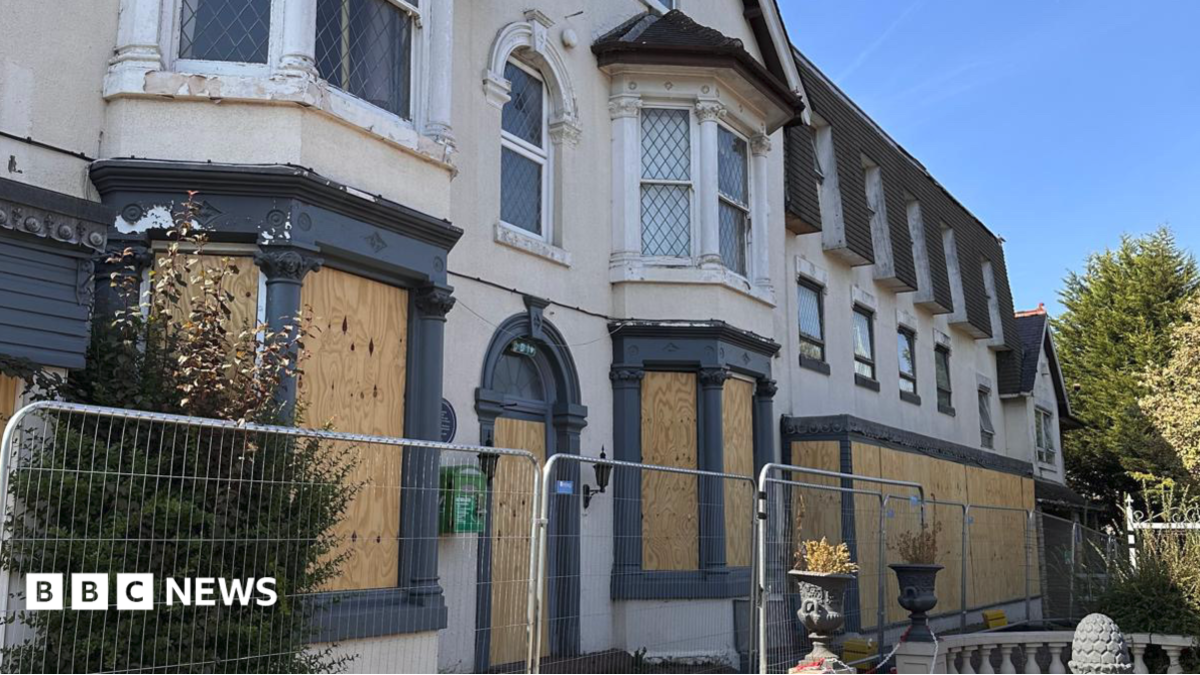
The Home Office has announced the closure of the Goldthorn and Grosvenor hotels in the West Midlands as part of a massive cost-cutting drive. These closures are part of a broader strategy to move asylum seekers to larger, more cost-effective accommodations.
Key Takeaways
- The Goldthorn (Wolverhampton) and Grosvenor (Stratford-upon-Avon) hotels have closed.
- The closure of 13 hotels is expected to save taxpayers approximately £51 million.
- The government is transitioning from hotels to larger sites, including former military bases.
In a significant move to streamline immigration costs, the Home Office has confirmed that two prominent hotels in the West Midlands—the Goldthorn Hotel in Wolverhampton and the Grosvenor Hotel in Stratford-upon-Avon—have officially ceased housing asylum seekers. These sites are part of a wider rollout involving 13 hotels across England being returned to local communities.
This decision is heavily driven by fiscal responsibility. According to official statements, these 13 closures are projected to save taxpayers £51 million, contributing to an expected total saving of £224 million from this year's closures alone. At its peak in 2023, the cost of utilizing asylum hotels reached a staggering £9 million per day.
Why This Matters
BozokMedia analysis shows that this shift represents a fundamental change in how the UK manages its asylum infrastructure. By moving away from high-cost commercial hotels and toward large-scale, basic accommodations like former military sites, the government is attempting to stabilize a system that became prohibitively expensive during the 2023 peak.
Home Secretary Shabana Mahmood stated that these closures are part of a plan to 'restore control to the border and fairness to Britain's immigration system.'
The impact on local economies varies. In Wolverhampton, the former Goldthorn hotel site is already being eyed for commercial redevelopment, with supermarket giant Lidl resubmitting plans to construct a new store on the premises. In Stratford-upon-Avon, the closure follows long-standing calls from local political figures to end the use of the Grosvenor Hotel for emergency housing.
Historical Background
During 2023, the UK saw a massive surge in the use of contingency accommodation, with nearly 400 hotels being utilized to house asylum seekers. This led to intense political debate regarding both the cost to the taxpayer and the impact on local community resources.
Frequently Asked Questions
1. Where will asylum seekers be moved to?
The government is increasing the use of larger, basic accommodations, including former Ministry of Defence (MoD) sites.
2. What happens to the closed hotels?
The properties may return to 'business as usual' or be repurposed for new uses that serve the local community, such as retail developments.