In Amravati’s Doma Government Hostel, reports of ghungroo, laughter and crying sounds sparked a ghost scare, prompting 608 students to abandon the dormitory. Health officials attribute the panic to psychological factors and urge the public to stop spreading rumors.
Key Takeaways
- Ghost rumors caused 608 students to exit the hostel
- Psychiatric evaluation revealed severe hysteria symptoms
- Health department urges against rumor propagation
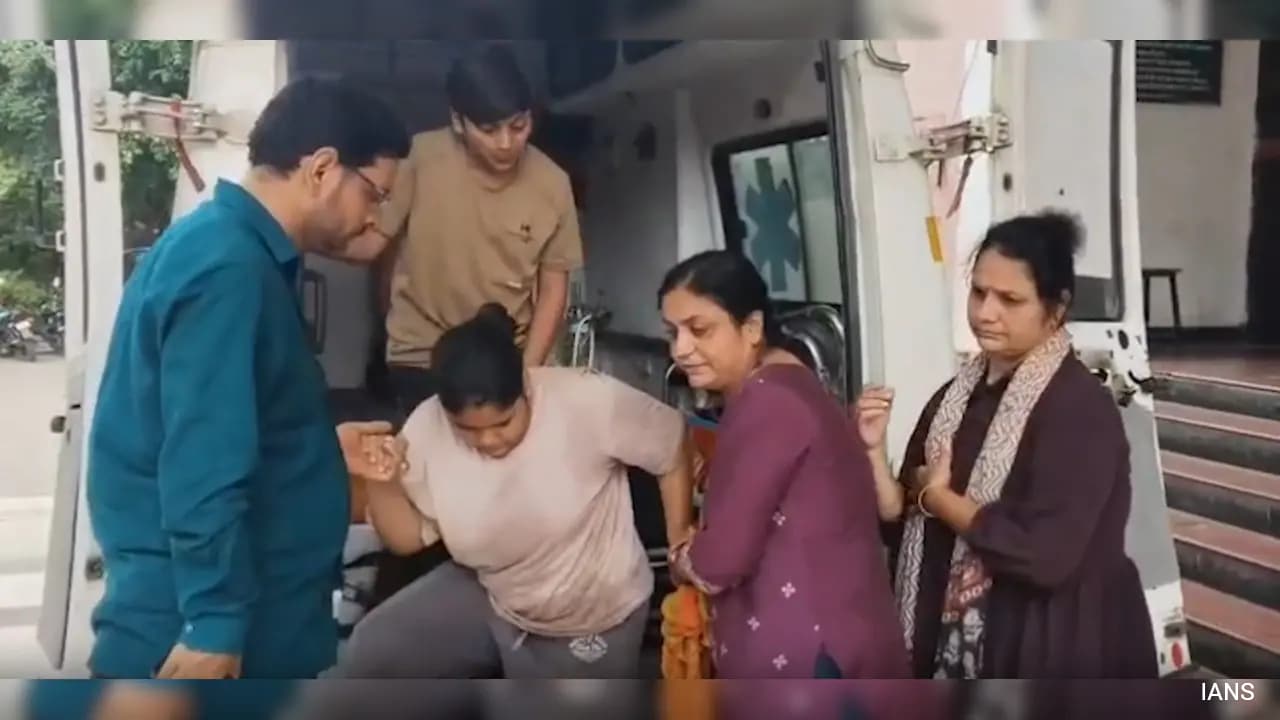
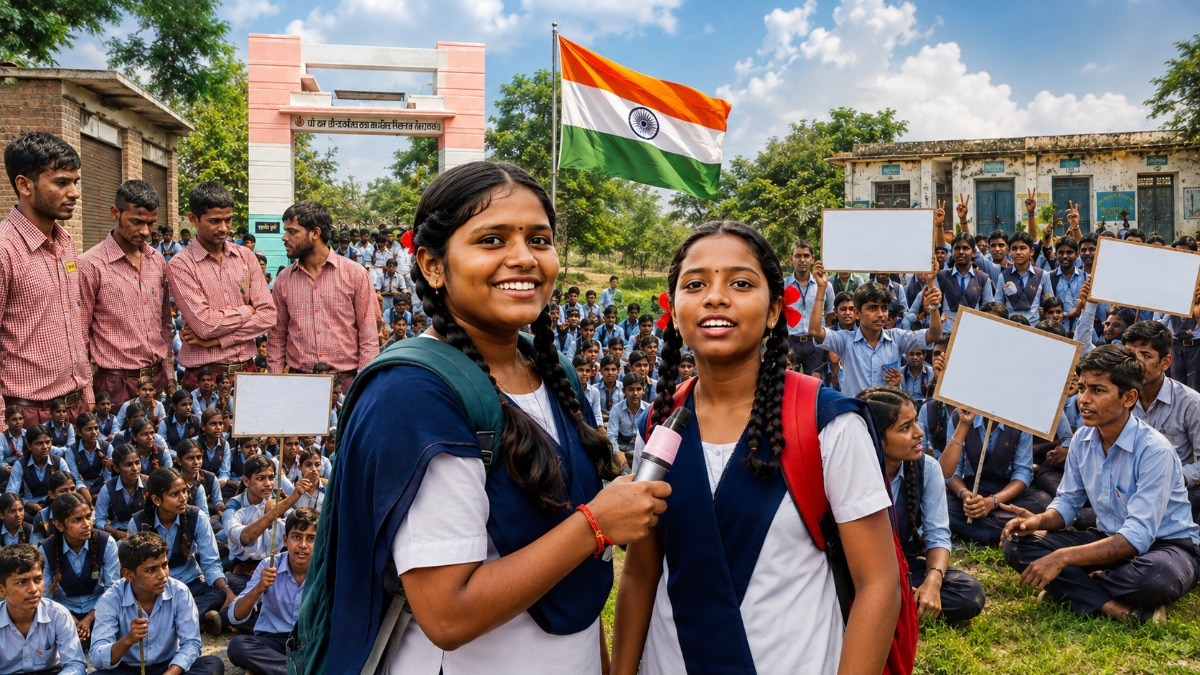
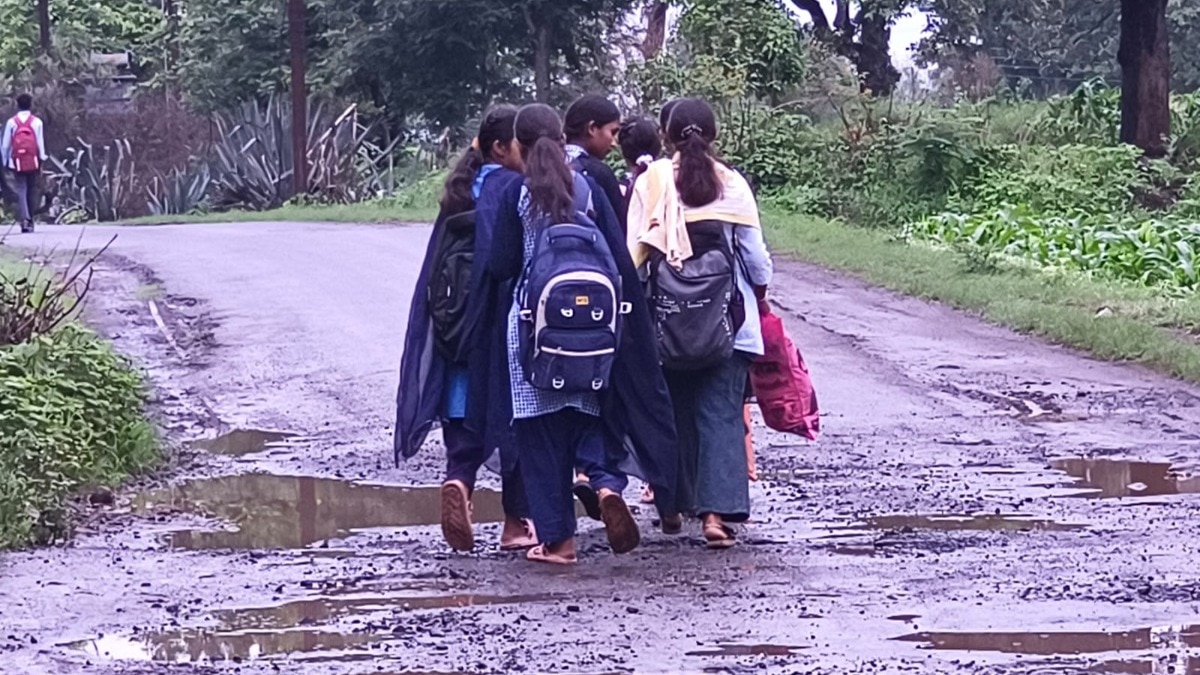
At the Doma Government Hostel in Melghat, Amravati district, Maharashtra, students reported hearing ghungroo bells, laughter and crying during the night. The unsettling sounds quickly turned into a ghost rumor, and a total of 608 students—263 boys and 345 girls—left the hostel to return home.
School authorities acted swiftly. Principal Sanjay Chaudhary said that several girls complained about the strange noises, prompting a psychiatric examination that identified severe hysteria among some. Officials clarified that the incident stemmed from collective fear and mental stress, not any supernatural activity.
Historical Background
India has witnessed similar panic episodes in educational settings, such as the 2016 Uttarakhand school ghost scare, where rumors led to mass evacuations. These cases often reveal the underlying impact of social pressure and neglected mental health support.
Why This Matters
BozokMedia analysis shows that unchecked rumors in educational institutions can severely disrupt academic continuity and exacerbate mental health issues among youths, highlighting the urgent need for proactive counseling and rumor-control mechanisms.
"Group fear can amplify individual psychological symptoms, making immediate professional support essential," says psychologist Dr. Rita Sharma.
Frequently Asked Questions
Q: Was any supernatural activity confirmed?
A: No, the health department confirmed the incident was purely psychological.
Q: How will this affect the students' academic progress?
A: Ongoing counseling and a safe environment can mitigate long‑term academic impact.