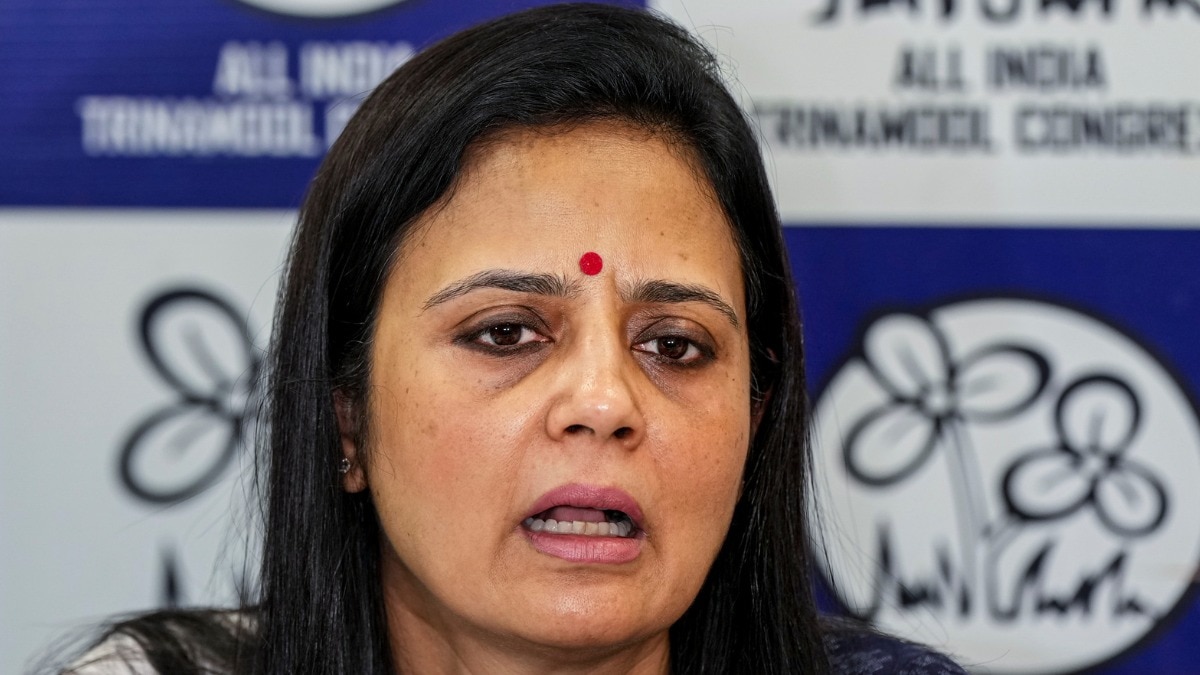
Congress MP Mahua Moitra openly rejected an eviction notice while crowds chanted "Jai Shri Ram" in Delhi. The incident highlights escalating political and communal tensions across the nation.
Key Takeaways
- Mahua Moitra refused to vacate the protest site
- Supporters repeatedly shouted "Jai Shri Ram"
- The clash underscores rising sectarian strain in Indian politics
Event Overview
During a public demonstration in Delhi, local authorities ordered Congress MP Mahua Moitra to leave the venue. Moitra ignored the directive, staying on stage as the crowd echoed the chant "Jai Shri Ram" throughout the protest.
Political Context
In recent months, India has witnessed a surge in the use of religious slogans by political parties, intensifying friction between rival groups. The "Jai Shri Ram" chant, in particular, has become a rallying cry for certain factions, prompting concerns over communal polarization.
Historical Background
Since the early 1990s, the "Jai Shri Ram" slogan has been leveraged in electoral politics, often stoking communal sentiments. Its prominence rose sharply after the 1992 Babri Masjid demolition, leading to numerous legal battles and societal debates.
Why This Matters
BozokMedia analysis shows that Moitra’s defiance could reshape the narrative around political dissent in a climate where religious slogans dominate public discourse. Her stance signals a potential shift toward asserting secular democratic values against communal pressure.
"Moitra’s bold stand is a vital reminder that democratic principles must prevail over sectarian pressure," says political analyst Dr. Ajay Singh.
Frequently Asked Questions
Question 1: Could Mahua Moitra face legal action for defying the eviction order?
Answer: Administrative penalties are possible, but any legal proceedings are likely to be protracted.
Question 2: What impact might this incident have on national politics?
Answer: It may sharpen communal fault lines among parties, influencing strategies ahead of upcoming elections.