Hindu refugees who migrated from Pakistan to India reveal that true independence is not just a date on a calendar, but the ability to live with dignity and identity.
Key Takeaways
- For Hindu refugees from Pakistan, freedom has transformed from a 'date' into a 'feeling'.
- Migration to India provided them with religious identity and personal liberty.
- Celebrating independence in Pakistan was often described as a social compulsion rather than a choice.
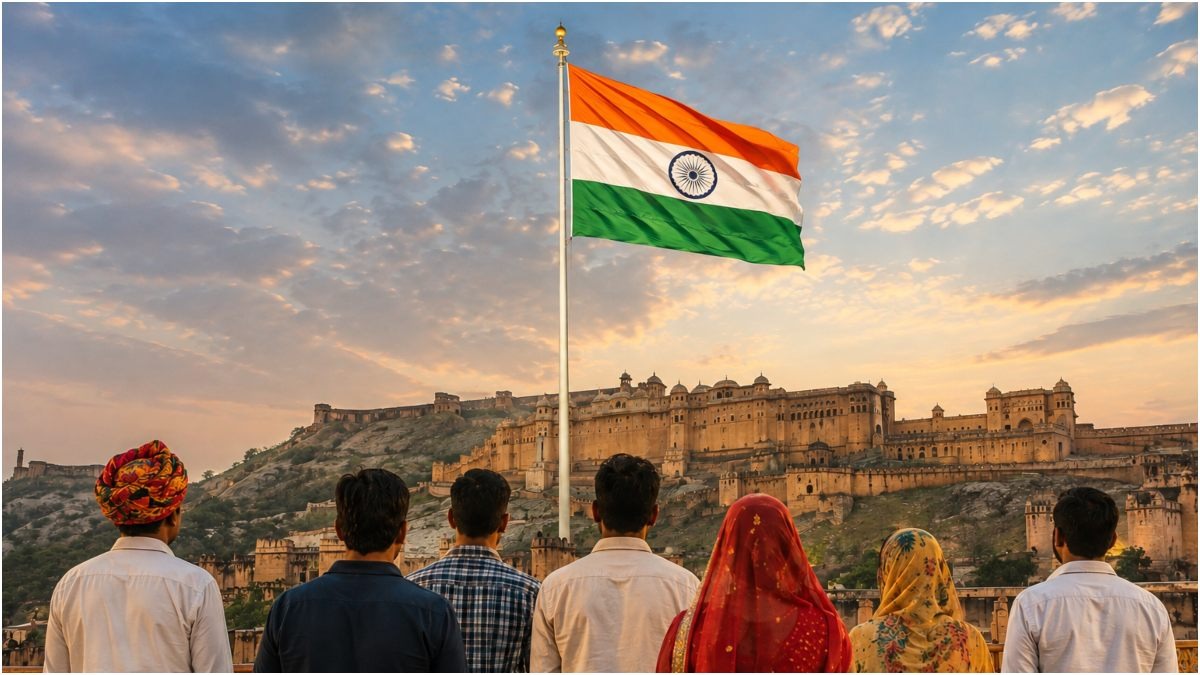
What does freedom truly mean? This question transcends textbook definitions for those who have crossed borders to rebuild their lives. For many Hindus born and raised in Pakistan who are now Indian citizens, the essence of independence has undergone a radical transformation. Those who once saluted the Pakistani flag now stand in reverence before the Tricolor, singing 'Jana Gana Mana' with newfound pride.
The stories of these migrants are not just tales of relocation, but of reclaiming self-respect. Individuals like Jan Bahadur Singh, who migrated to India in 2014, describe their life in Pakistan as suffocating. For them, arriving in India meant more than just changing a nationality; it meant the ability to breathe freely and secure a future for their children without fear.
Why This Matters
BozokMedia analysis shows that these narratives highlight the deep-seated connection between national identity and individual liberty. It underscores how political borders impact the fundamental human right to live according to one's faith and conscience.
Freedom is not merely a ceremonial event; it is the environment that allows a person to exist without the shadow of fear.
Other refugees, such as Sobraj, noted that while 14th August celebrations were mandatory in Pakistan—complete with speeches and school programs—they often felt like a performance for the state. For many, their hearts had always belonged to 15th August. It was only after settling in India that they realized true independence is the absence of coercion in one's daily existence.
Historical Background
The partition of the Indian subcontinent in 1947 created one of the largest mass migrations in human history. Since then, waves of migration have continued, driven by various socio-political and religious factors, as communities sought refuge in a land where they could practice their traditions freely.
Frequently Asked Questions
1. How do refugees define freedom after moving to India?
They define it as the liberation from fear, the right to live with their religious identity, and the presence of social dignity.
2. Was independence celebrated in Pakistan for minorities?
While official ceremonies took place, many refugees expressed that participating felt like a social compulsion rather than a genuine expression of liberty.