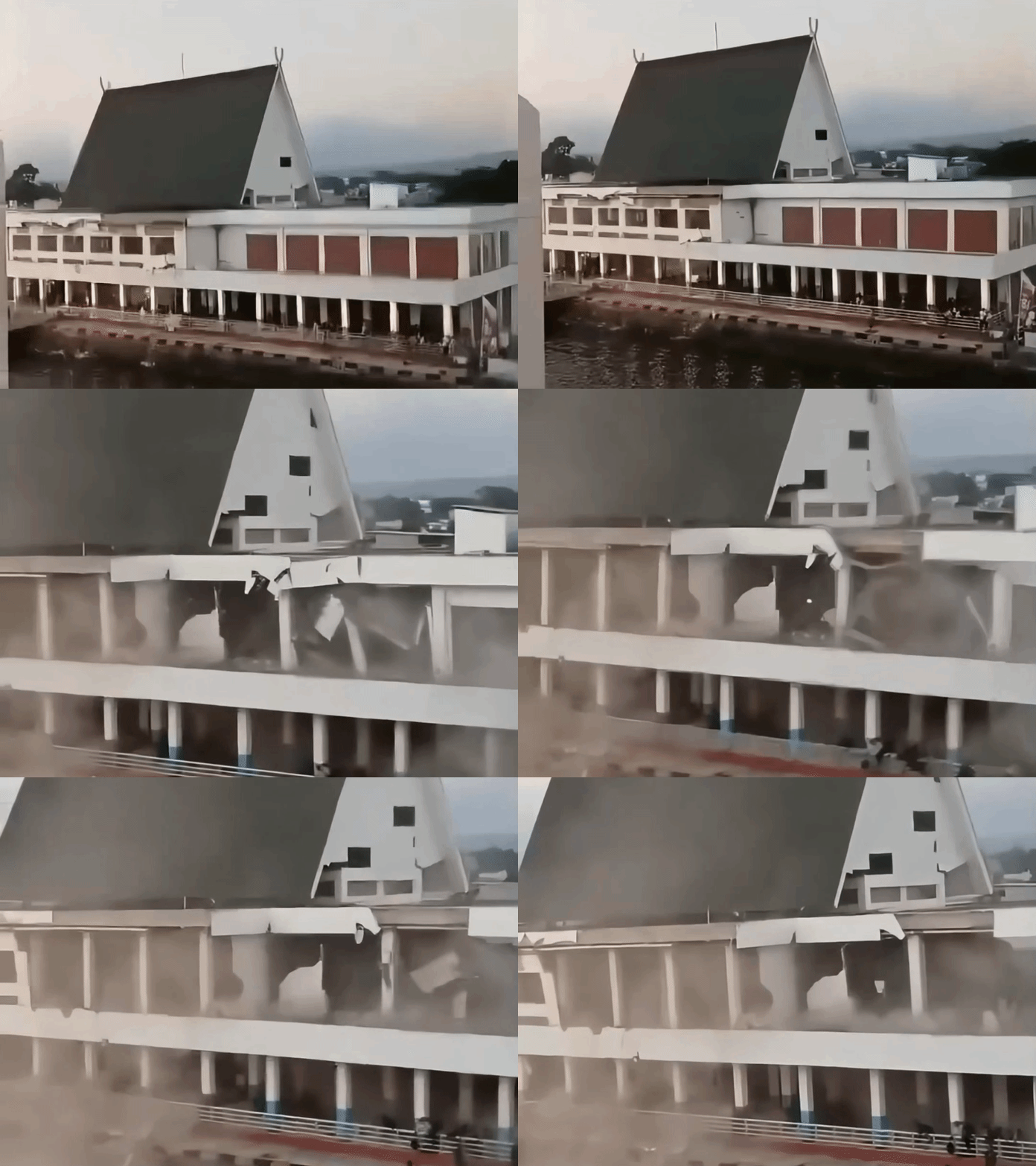
A powerful 7.7 magnitude earthquake struck Indonesia on Saturday morning, killing at least 20 people and causing multiple building collapses. Subsequent aftershocks and a brief tsunami warning forced residents to seek higher ground and safe shelters.
Key Takeaways
- A 7.7 magnitude quake struck near Ternate, Indonesia on Saturday morning.
- At least 20 deaths confirmed, numerous injuries, and several structures collapsed.
- Aftershocks (5.9, 5.6, 6.1) followed; a temporary tsunami alert was issued then lifted.
According to the United States Geological Survey (USGS), the earthquake occurred at approximately 6:00 a.m. local time, with its epicenter located about 68 km offshore from the city of Ende. The tremors were felt across a wide region, toppling buildings and triggering panic among residents.
Initial reports confirm 20 fatalities and dozens of injuries. In Ternate and neighboring districts, several residential and commercial structures suffered severe damage or collapsed entirely, leaving many trapped under rubble.
Following the main shock, coastal communities observed the sea recede dramatically – a classic tsunami precursor. Authorities issued a short‑lived tsunami warning, later rescinded, but urged citizens to remain in elevated, safe locations and avoid damaged buildings due to potential strong aftershocks.
Multiple aftershocks have been recorded, the strongest registering a magnitude of 6.1. Emergency responders, the Indonesian armed forces, and local disaster agencies have launched rescue operations, evacuating survivors and providing medical aid.
Historical Background
Indonesia sits atop the Pacific “Ring of Fire,” where several tectonic plates converge and subduct. This makes the archipelago one of the most seismically active regions on Earth, regularly experiencing earthquakes, tsunamis, and volcanic eruptions.
Why This Matters
BozokMedia analysis shows that an event of this magnitude not only strains local emergency services but also tests regional coordination and international aid mechanisms. It underscores the urgent need for improved early‑warning systems and resilient infrastructure.
Dr. Maya Patel, seismology expert, noted: "High‑magnitude quakes along the Ring of Fire often generate widespread damage, highlighting the importance of preparedness and rapid response."
Frequently Asked Questions
Q: Is there still a tsunami risk?
A: The official tsunami warning has been lifted, but officials continue to monitor sea‑level changes for any resurgence.
Q: Who is leading the rescue efforts?
A: The Indonesian military, local disaster management agencies, and several international NGOs are coordinating relief and recovery operations.