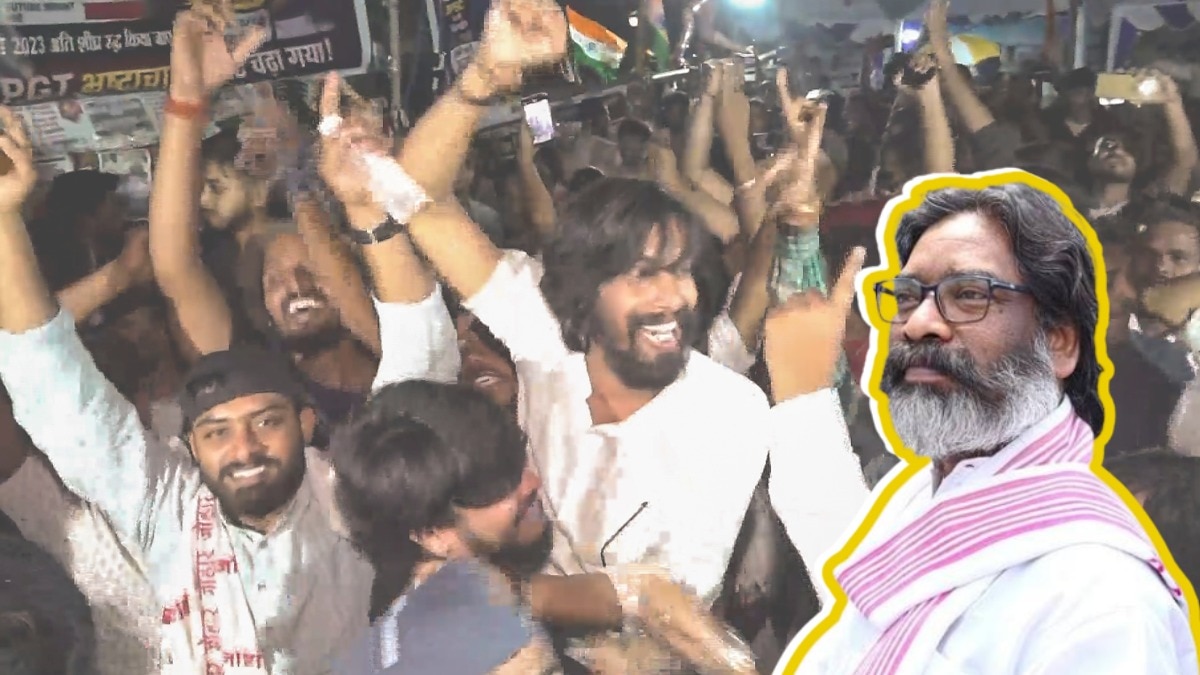
Political tensions escalated in Ranchi as protesters burnt effigies of Rahul Gandhi and Hemant Soren. In response, the state government has extended a fresh invitation to students for negotiations.
- Effigies of Rahul Gandhi and Hemant Soren were burnt during protests in Ranchi.
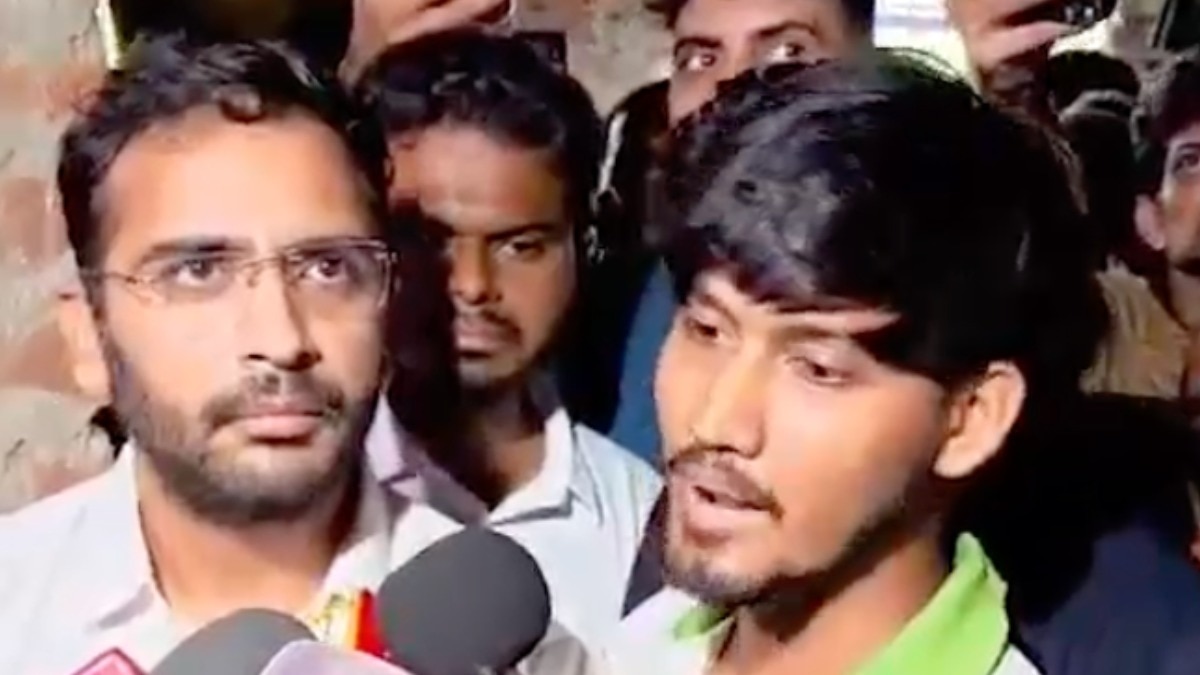
- The state government has invited student leaders for a renewed round of talks.
- Tensions remain high between the youth demonstrators and the administration.
The capital city of Jharkhand, Ranchi, has witnessed a surge in political volatility. In a series of intense demonstrations, protesters targeted top political figures, burning effigies of Congress leader Rahul Gandhi and Chief Minister Hemant Soren. This move highlights the growing frustration among various sections of society, particularly the student community, regarding unfulfilled promises and administrative lapses.
The protestors have accused the government of apathy toward their grievances, leading to widespread anger. The burning of effigies is seen as a stark signal of defiance against the current leadership. Law enforcement agencies have been deployed across the city to maintain order and prevent any further escalation of violence.
Why This Matters
BozokMedia analysis shows that this escalation indicates a growing disconnect between the state administration and the student community. In a state like Jharkhand, where youth mobilization often dictates political trends, such protests can significantly impact the stability of the current coalition government and influence future electoral outcomes.
"The act of burning effigies of top leaders signifies a breakdown in communication channels, making immediate diplomatic dialogue essential to prevent further law and order crises."
Recognizing the volatility of the situation, the state government has shifted its strategy toward conciliation. An official invitation has been extended to student representatives to engage in dialogue. The government aims to resolve the core issues through negotiation; however, skeptics among the students argue that these invitations are merely a tactic to delay action and suppress the movement.
Historical Background
Student activism has a deep-rooted history in Jharkhand, often serving as the vanguard for social and political change. From fighting for tribal land rights to demanding better educational infrastructure, the youth of Jharkhand have historically been politically active. Recent grievances centered around recruitment delays and examination irregularities have rekindled this spirit of rebellion, creating a volatile environment for the ruling administration.
Frequently Asked Questions
1. Why were the effigies burnt in Ranchi?
Protesters burnt the effigies of Rahul Gandhi and Hemant Soren to express their anger over the government's perceived negligence of their demands.
2. What is the government's current response?
The government has invited student representatives for a dialogue to find a peaceful resolution to the ongoing conflict.