Experts at the Mumbai International Storytelling Festival (MIST) 2026 argue that the rise of AI may paradoxically increase the value and demand for authentic human oral storytelling.
- The surge of AI is expected to trigger a counter-trend favoring traditional oral storytelling.
- Human storytelling relies on emotional intelligence, gestures, and shared experiences that AI cannot replicate.
- New mediums do not replace old ones but transform the way we experience them.
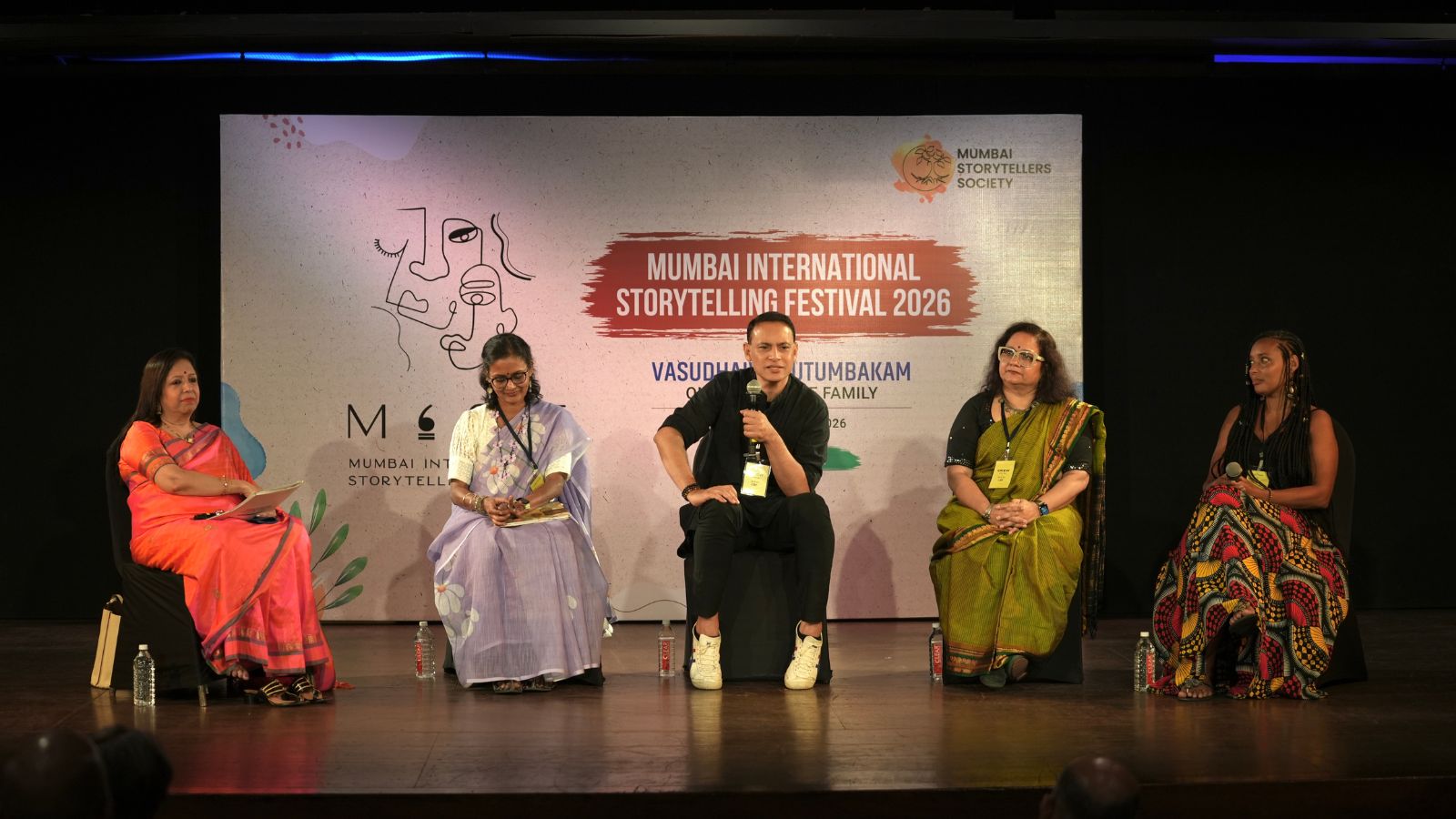
The Mumbai International Storytelling Festival (MIST) 2026 recently became a battleground for ideas regarding the intersection of technology and creativity. Held at the National Theatre for Performing Arts, the event brought together global thinkers to discuss whether the digital revolution is a threat or a catalyst for the ancient art of narration.
During a high-profile panel titled 'The Art of Narrative: Multiple Storytelling Forms,' moderated by Usha Venkatraman, poet and founder of Storywallahs, Ameen Haque presented a compelling thesis. He suggested that every dominant technological trend inevitably creates a counter-trend. Drawing a parallel to photography, Haque noted that the advent of color photography didn't kill black-and-white art; instead, it made the latter more special and curated.
Why This Matters
BozokMedia analysis shows that we are entering an era of 'Synthetic Content Saturation.' As AI floods the market with perfectly structured but soul-less narratives, the human appetite for imperfection, spontaneity, and raw emotion will peak. This shift positions live storytelling not just as art, but as a necessary psychological sanctuary from the algorithmic void.
"A compelling story can command attention even in an attention-deficit world."
The discussion delved deeper into the psychological impact of stories. Sowmya R Srinivasan of Soul Story Mandala highlighted the use of folktales as tools for personal transformation, allowing listeners to map their own memories onto the narrative. This interactive emotional journey is a uniquely human exchange that transcends mere data processing.
Adding to this, expressionist Hema Subramanian emphasized the concept of 'embodiment.' She argued that a true storyteller does not just recite words but inhabits the character's space and emotion—a level of empathy and presence that remains beyond the reach of Large Language Models (LLMs).
The panel also featured Mara Menzies, a Kenyan-Scottish author, who shared her transition from live performance to literature with her book Blood and Gold: A Journey of Shadows. Menzies noted that while a book allows a story to travel beyond the constraints of a one-hour show, the challenge lies in translating physical gestures and facial expressions into written prose.
| Feature | AI Storytelling | Human Oral Storytelling |
|---|---|---|
| Generation Speed | Instantaneous | Slow & Deliberate |
| Emotional Depth | Simulated/Pattern-based | Authentic/Experiential |
| Delivery | Static/Digital | Dynamic/Performative |
Frequently Asked Questions
Q1: Will AI replace professional storytellers?
A: While AI can assist in plotting and drafting, it cannot replace the live, empathetic connection and physical performance that define oral storytelling.
Q2: What was the core conclusion of the MIST 2026 panel?
A: The conclusion was that AI will likely act as a foil, making the authentic human voice more precious and sought-after than ever before.