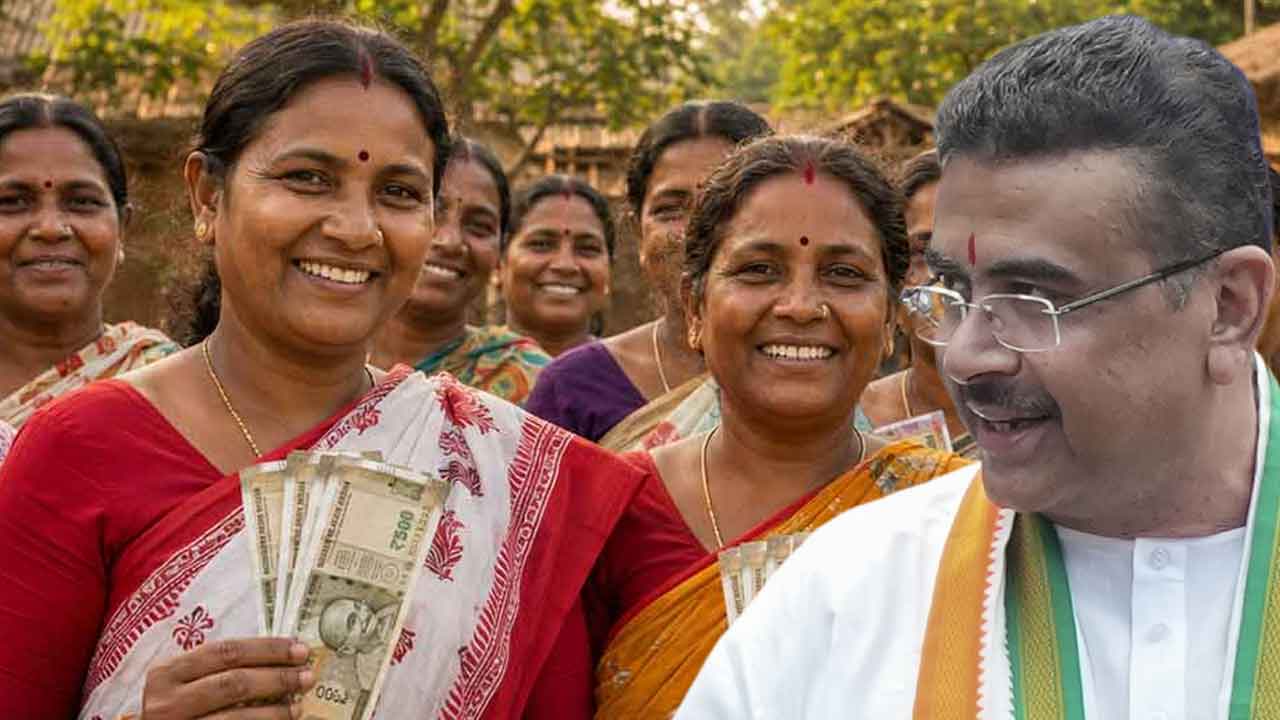
The state government has commenced the disbursement of Annapurna Yojana funds to 1.45 crore beneficiaries, while rejecting 17 lakh applications due to documentation errors. Eligible applicants whose names were omitted can re-apply starting August 20.
- 1.45 crore beneficiaries will receive funds totaling ₹4,350 crore by August 20.
- 17 lakh applications were rejected, primarily due to Aadhaar-Bank account linkage issues.
- Re-applications for rejected candidates open on August 20 via the Social Register portal.
- Strict eligibility criteria include income limits and land ownership caps in urban areas.
The state government has officially initiated the fund transfer process for the Annapurna Yojana. According to a press conference held at Nabanna by Health Minister Sumona Sarkar and Information Minister Purnima Chakraborty, a massive disbursement of ₹4,350 crore is being processed. While the initial screening covered 1.62 crore applicants, 17 lakh applications were scrapped, leaving 1.45 crore eligible recipients.
The disbursement schedule is set from Monday through Thursday, August 20. For those who applied up until July 10, the verification process is still ongoing for the remaining pool of 1.80 crore total applications. The government has clarified that those who applied between July 11 and July 31 will undergo verification until September 30, after which their funds will be released.
Why This Matters
BozokMedia analysis shows that this massive cleanup of the beneficiary list indicates a shift toward stricter auditing of welfare schemes to prevent leakage. By removing 'ghost' beneficiaries and ineligible applicants, the government is attempting to optimize the fiscal impact of social security spending, though the high number of rejections due to technicalities like Aadhaar linkage highlights a persistent gap in digital literacy among the rural poor.
"The transition from inclusive distribution to audited disbursement ensures that state resources reach the truly marginalized rather than those with administrative influence."
The primary reason for the 17 lakh rejections was the lack of linkage between Aadhaar cards and bank accounts, accounting for at least 10 lakh failures. Other reasons included the applicants being government employees or income tax payers. To remedy this, the government has instructed Block Development Officers (BDOs) to coordinate with banks and organize special camps to resolve linkage issues.
Eligibility criteria have been tightened. As stated by Suvendu Adhikari, individuals with a monthly income exceeding ₹10,000 or a family income over ₹12 lakh are ineligible. Furthermore, residents of seven municipal corporations owning more than 50 decimals of land are excluded, although rural applicants enjoy more leniency regarding land ownership.
| Criteria | Urban (Municipal) Areas | Rural Areas |
|---|---|---|
| Land Ownership Limit | Max 50 Decimals | Relaxed/Flexible |
| Monthly Income Cap | ₹10,000 | ₹10,000 |
| Family Income Cap | ₹12 Lakhs | ₹12 Lakhs |
The administration has emphasized that the previous system (2021-2024) was flawed, allowing ineligible persons and even deceased individuals to receive funds. The current 'cleaning' process is designed to ensure transparency. Following the completion of these transfers, the government plans to launch 'Jan Kalyan' camps to address pending applications for old-age, widow, and disability pensions.
Frequently Asked Questions
Q1: When can I re-apply if my name was removed?
Applicants can re-apply through the 'Social Register' option on the official portal starting August 20.
Q2: What should I do if my application was rejected due to Aadhaar issues?
You should contact your local BDO office or attend the upcoming special camps to link your Aadhaar with your bank account.


