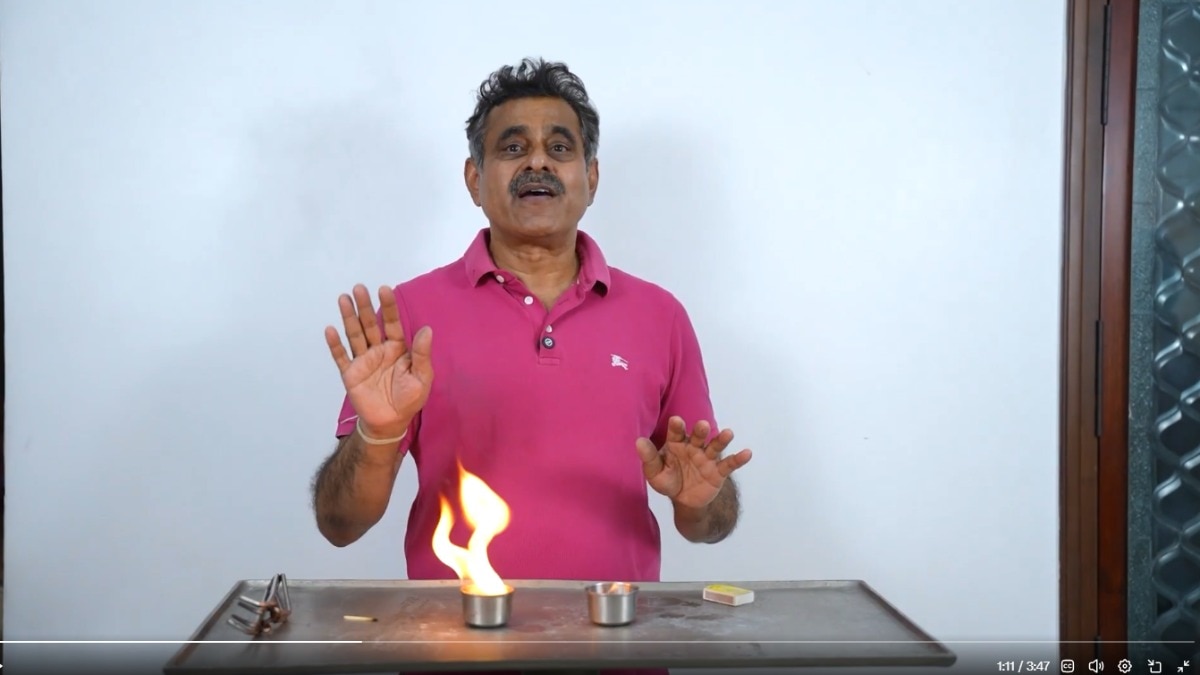
Leveraging their engineering background, a BJP Member of Parliament has utilized external combustion principles to explain the systemic advantages of E20 petrol, focusing on energy independence and emission reduction.
- E20 fuel consists of a 20% ethanol and 80% gasoline blend.
- External combustion principles were used to illustrate fuel efficiency and lower emissions.
- Increased ethanol adoption reduces India's reliance on expensive crude oil imports.
In a unique blend of legislative duty and technical expertise, a BJP Member of Parliament, who is an engineer by profession, recently conducted a demonstration on the benefits of E20 petrol. By employing the concepts of external combustion, the MP illustrated how ethanol blending optimizes the combustion process and contributes to a cleaner environment.
The Science Behind Ethanol Blending
E20 fuel is a blend containing 20% ethanol and 80% gasoline. The MP explained that ethanol acts as an oxygenate, which enhances the combustion efficiency within the engine. This results in a significant reduction in tailpipe emissions, specifically reducing carbon monoxide and unburnt hydrocarbons, making it a superior choice for urban air quality.
Why This Matters
BozokMedia analysis shows that the intersection of technical expertise and political leadership is crucial for the success of the National Policy on Biofuels. By simplifying the science of external combustion to explain internal engine benefits, the MP is helping bridge the gap between government policy and public understanding, potentially accelerating the adoption of green fuels.
"The shift to E20 is not merely a fuel change; it is a strategic move toward energy sovereignty and agricultural empowerment."
Historically, India has struggled with high import bills for crude oil. The transition to E20 is designed to mitigate this vulnerability. By sourcing ethanol from sugarcane and food grains, the government is effectively transferring wealth from oil-exporting nations to domestic farmers, creating a circular economy.
Frequently Asked Questions
Q1: Is E20 petrol compatible with all existing vehicle engines?
A: Not all. While newer vehicles are E20-compliant, older engines may require modifications to prevent corrosion of rubber seals and fuel lines.
Q2: How does E20 petrol impact the economy?
A: It reduces foreign exchange outflow by lowering crude oil imports and boosts the rural economy by increasing demand for ethanol-producing crops.


