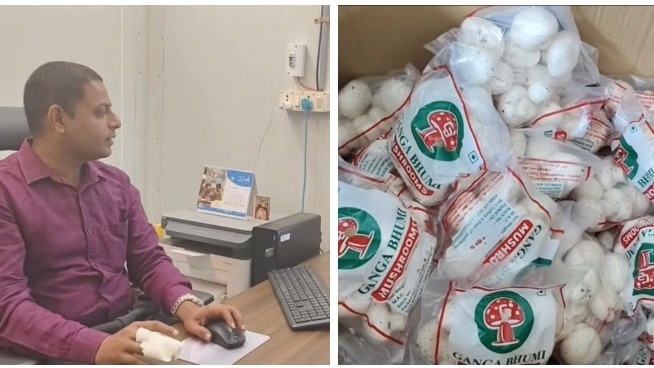
After spending 14 years in the IT industry, a BTech graduate pivoted to professional farming. By integrating technology with agriculture, he now earns a staggering ₹10 lakh per month.
- Transitioned from a 14-year IT career to full-time professional farming.
- Achieved a monthly revenue of ₹10 lakh through strategic agri-business.
- Leveraged engineering principles to optimize crop yield and market reach.
In an era where the youth are migrating toward urban centers for white-collar jobs, a BTech graduate has rewritten the narrative. After spending 14 years climbing the corporate ladder in the Information Technology (IT) sector, he decided to leave the comfort of an air-conditioned office for the challenges of the open field.
The transition was not a leap of faith but a calculated move. By applying the analytical skills acquired during his engineering degree and corporate tenure, he treated the farm as a startup. He focused on data-driven farming, analyzing soil composition and consumer demand patterns before sowing a single seed.
Why This Matters
BozokMedia analysis shows that this shift represents a growing trend of 'Reverse Migration' where educated professionals are returning to rural areas to implement 'Agri-Tech' solutions. This not only boosts rural economy but also ensures food security through sustainable practices.
"The intersection of formal education and ancestral land creates a powerhouse of productivity that can redefine national GDP."
By diversifying into high-value organic crops and implementing precision farming techniques, he minimized waste and maximized output. His strategy involved bypassing traditional middlemen and establishing a direct-to-consumer supply chain, which significantly increased his profit margins.
Today, earning ₹10 lakh per month, he serves as a beacon of hope for thousands of unemployed graduates and struggling farmers alike, proving that agriculture, when managed professionally, is one of the most lucrative businesses globally.
Frequently Asked Questions
Q1: Is a technical degree necessary for success in farming?
A: While not mandatory, a technical background helps in implementing automation and data analysis for better efficiency.
Q2: What is the biggest risk in shifting from IT to Agriculture?
A: The primary risks include weather unpredictability and the initial gestation period before the farm becomes profitable.