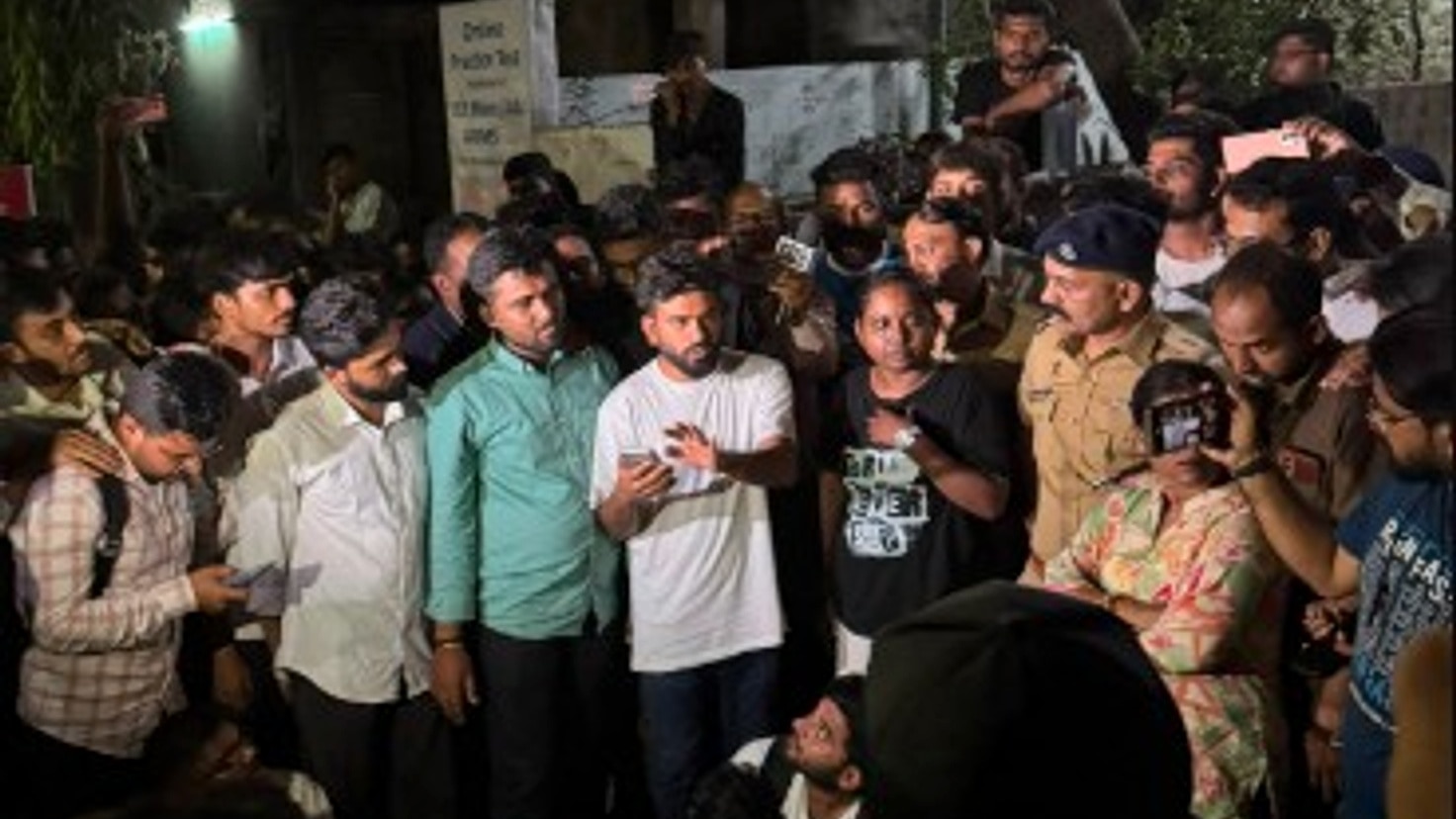
Legal activist Abhijeet Dipke of Courts and Justice Project (CJP) has slammed the conduct of the Bombay High Court recruitment examination, citing systemic failures and demanding a complete re-test to ensure fairness.
- Abhijeet Dipke (CJP) has labeled the Bombay High Court exam a 'complete chaos'.
- Serious allegations of mismanagement and procedural lapses have surfaced.
- A formal demand for a re-test has been issued to maintain judicial integrity.
The recruitment process for the Bombay High Court has come under intense scrutiny following scathing remarks by Abhijeet Dipke, a prominent member of the Courts and Justice Project (CJP). Dipke has publicly characterized the conduct of the examination as "complete chaos," suggesting that the administrative failures were so profound that the results cannot be deemed credible or fair.
According to reports, candidates faced numerous hurdles during the examination process, ranging from logistical mismanagement to potential irregularities in the questioning and evaluation phases. The CJP, which focuses on judicial accountability and transparency, argues that such lapses in a court-administered exam are particularly damaging to the public's trust in the judiciary.
Why This Matters
BozokMedia analysis shows that when the very institution responsible for upholding the law fails to conduct its own recruitment process transparently, it creates a crisis of legitimacy. This incident highlights a systemic gap in how judicial staff are recruited, suggesting that external oversight may be necessary to prevent nepotism or administrative incompetence.
"The integrity of the judicial system begins with the integrity of its recruitment; any shadow of doubt over an exam necessitates a complete reset."
The demand for a re-test is not merely about the convenience of candidates but about the legal principle of Equal Opportunity. If a segment of the aspirants was disadvantaged by the 'chaos' described by Dipke, the entire process becomes legally vulnerable to challenges in higher courts.
Historical Background
The Bombay High Court, one of the oldest and most prestigious courts in India, has a long history of rigorous standards. However, in recent years, various state-level recruitment boards across India have faced similar allegations of paper leaks and mismanagement, leading to a nationwide debate on the digitalization and securing of competitive exams.
Frequently Asked Questions
Q1: Who is Abhijeet Dipke?
Abhijeet Dipke is a legal activist associated with the Courts and Justice Project (CJP), an organization dedicated to judicial transparency.
Q2: What is the primary demand regarding the exam?
The primary demand is for the Bombay High Court to cancel the current examination and conduct a fair re-test for all eligible candidates.