Colombia faces a humanitarian crisis after a massive 7.4 magnitude earthquake left hundreds dead and thousands homeless. President Abelardo de la Espriella has declared a national disaster to mobilize emergency funding and international aid.
- Death toll adjusted to 289 with 143 people still missing.
- Over 117,000 people affected and 14,705 homes completely destroyed.
- President Abelardo de la Espriella declares a national disaster and economic emergency.
- Significant international aid arriving from the US, Israel, Ecuador, Mexico, and Paraguay.
The Colombian government has released a sobering update following the catastrophic 7.4 magnitude earthquake that struck the western region of the country last Monday. After initial discrepancies in reporting, the National Unit for Disaster Risk Management (UNGRD) confirmed that the death toll has been adjusted to 289, with 143 individuals still reported missing. The epicenter of the quake was located in San José del Palmar, within the Chocó department, triggering a wave of destruction across multiple regions.
The scale of the devastation is immense. According to official data, approximately 3,937 people have been injured, and more than 117,000 citizens have been affected. The housing crisis is particularly acute, with 14,705 homes totally destroyed and another 81,536 sustaining significant damage. In Cali, the capital of Valle del Cauca, rescue teams are fighting against time, searching for over 70 missing persons amidst the rubble.
Why This Matters
BozokMedia analysis shows that this disaster serves as a critical stress test for the new administration of President Abelardo de la Espriella. By declaring a national disaster and economic emergency, the government is not only seeking immediate relief but is also implementing a strategic financial pivot. The authorization of temporary taxes indicates a long-term plan to rebuild critical infrastructure, including hospitals and airports, which were severely compromised by the seismic activity.
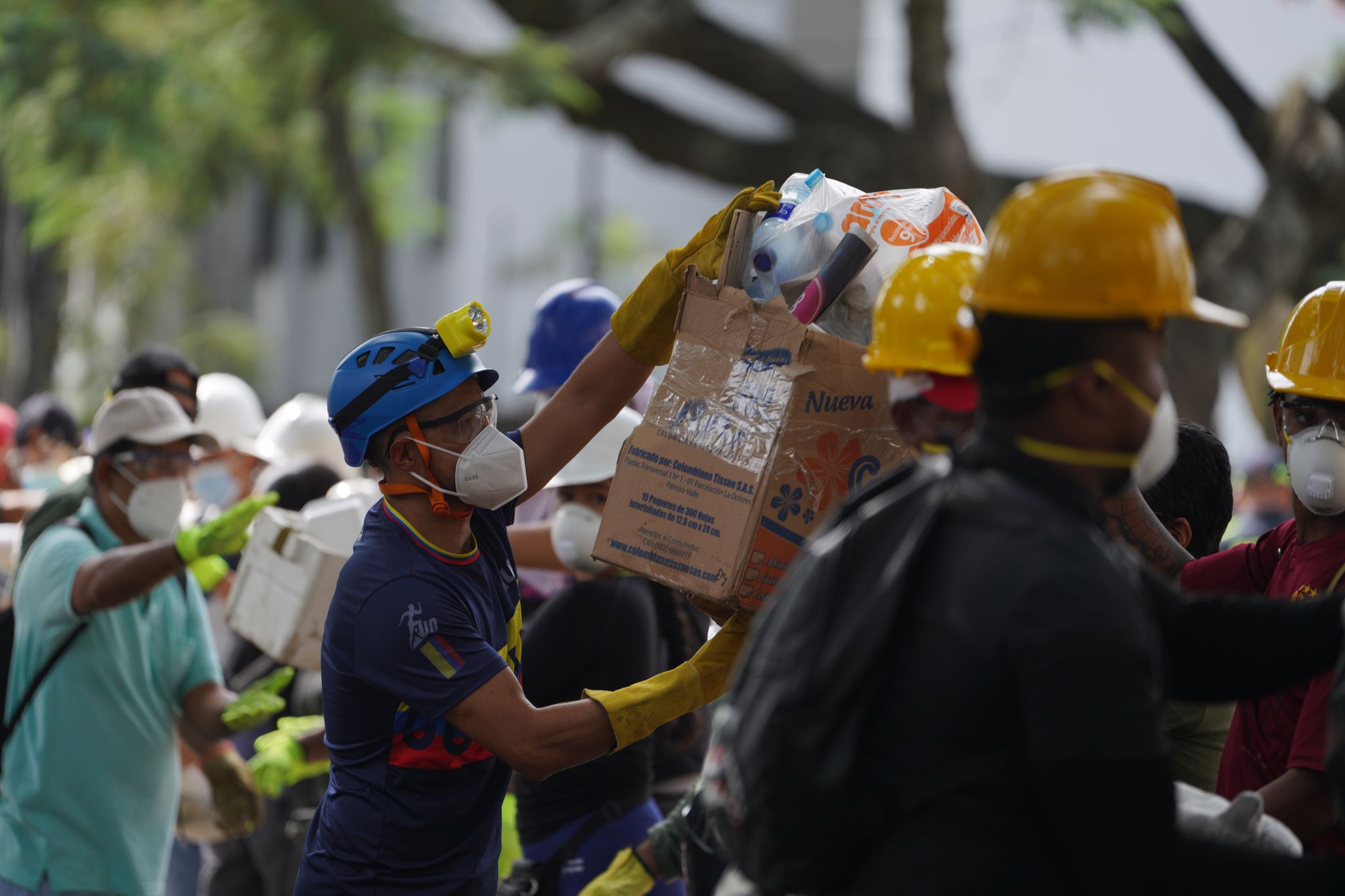
The coordination between UN-accredited international teams and local brigades is the only way to maximize the survival window in high-density urban ruins like Cali.
The international community has responded swiftly. Specialized rescue teams from the United States, Israel, and Ecuador are now on the ground. Israeli engineers are specifically assisting at the University Hospital of Cali, utilizing advanced debris removal techniques and data management systems to streamline rescue operations. Meanwhile, Mexico and Paraguay have provided vital humanitarian supplies and medicines.
Diplomatic efforts are also underway. President de la Espriella has communicated with Prime Minister Benjamin Netanyahu and U.S. President Donald Trump. The United States has increased its humanitarian contribution to $26.5 million, focusing on food, health, and shelter. Furthermore, the Colombian president has requested temporary tariff relief from the U.S. to ease the economic burden of the reconstruction process.
| Metric | Initial Report | Updated Official Data |
|---|---|---|
| Fatalities | 294 | 289 |
| Missing Persons | 320 | 143 |
| Homes Destroyed | - | 14,705 |
Frequently Asked Questions
Q: Why did the death toll numbers change?
A: Director David Tamayo explained that the discrepancy was due to the consolidation of daily reports from various municipalities at the end of the working day.
Q: What is the purpose of the 'economic emergency' declaration?
A: It allows the government to collect temporary taxes specifically earmarked for rebuilding hospitals, schools, roads, and airports.