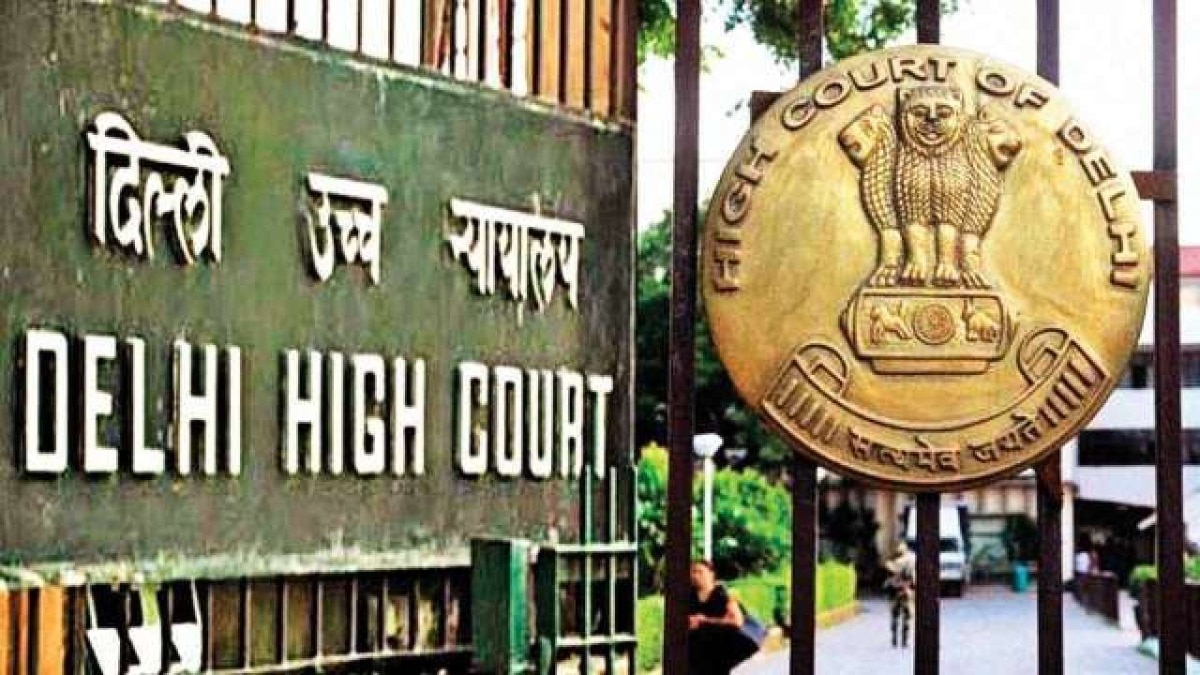
The Delhi High Court has dismissed a long-standing petition seeking to declare the Rajiv Gandhi Foundation a public authority, ruling that it does not fall under the transparency mandates of the RTI Act.
- Delhi High Court dismissed a 2011 petition to categorize Rajiv Gandhi Foundation as a public authority.
- The court noted the petitioner's repeated absence during hearings.
- The Foundation successfully argued that its government funding (4%) is insignificant.
The Delhi High Court on Monday dismissed a plea that sought to have the Rajiv Gandhi Foundation declared a public authority under the Right to Information (RTI) Act. Justice Swarana Kanta dismissed the 2011 petition, observing that the petitioner had failed to appear on several scheduled dates, leading to the closure of the case.
The legal battle originated when Delhi-based lawyer Shanmuga Patro challenged an October 15, 2010, order from the Central Information Commission (CIC). The CIC had previously rejected Patro's plea, maintaining that the foundation did not meet the criteria of a 'public authority' as defined by law.
The Core of the Legal Dispute
Patro argued that because the foundation received government funds and engaged in extensive public welfare activities, it had effectively assumed the character of a public authority. He sought access to the foundation's Constitution, updated bye-laws, and organizational structure—requests that the foundation had denied since 2009.
"The distinction between a private trust and a public authority hinges on the degree of government control and the method of establishment, not merely on the receipt of grants."
Why This Matters
BozokMedia analysis shows that this ruling reinforces a strict interpretation of Section 2(h) of the RTI Act. By dismissing the plea, the court has signaled that minimal government funding does not automatically strip a private entity of its privacy or exempt it from the rigorous disclosure norms required of state-funded bodies. This sets a precedent for other NGOs receiving partial government grants.
During the proceedings, the court had requested the foundation to submit its annual audited accounts from its inception up to 2010-2011. The foundation's counsel argued that it was not established via government notification. Furthermore, they highlighted that government funding accounted for only 4% of its total budget, which they termed 'insignificant' in the context of its overall operations.
Frequently Asked Questions
1. Can the Rajiv Gandhi Foundation now be held accountable under RTI?
No, the court has upheld the CIC's decision that the foundation is not a public authority, meaning it is not legally bound to disclose information under the RTI Act.
2. Why did the court dismiss the petition specifically?
The dismissal was based on two factors: the petitioner's lack of appearance in court and the foundation's failure to meet the legal definition of a public authority due to minimal government control.