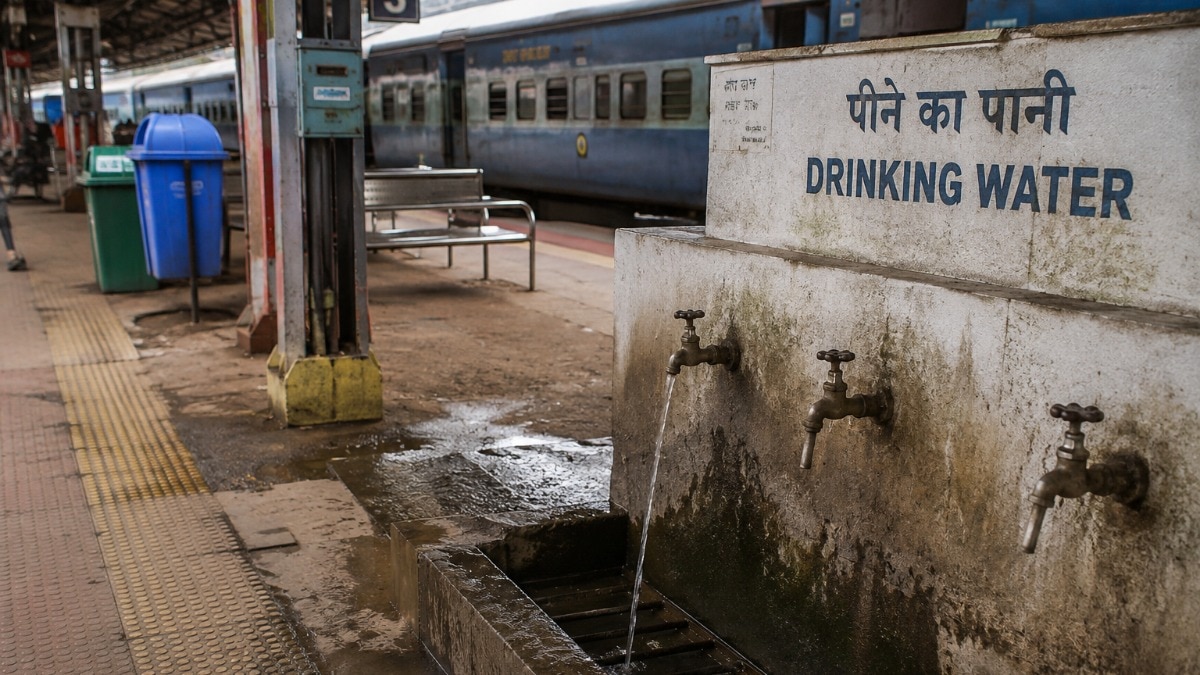
A CAG audit uncovered E. coli contamination in water coolers at eight railway stations. Responding swiftly, Railway Minister Ashwini Vaishnaw mandated a comprehensive 20,000-point filtration and monitoring system across the network.
Key Takeaways
- E. coli detected in water coolers at 8 major stations
- 458 out of 512 stations lack basic passenger amenities
- Railway Ministry launches 20,000-point filtration and monitoring overhaul
Detailed CAG Findings
The audit examined 512 non‑suburban stations. Samples from Coimbatore, Palakkad, Hyderabad, Chhatrapati Shivaji Maharaj Terminus, Bhiwandi Road, Kalyan, Lonavala and Madhupur revealed E. coli presence, indicating fecal contamination.
Widespread Amenity Gaps
More than 89% of the stations fell short of the Minimum Essential Amenities standards set in 2018, lacking toilets, drinking water taps, seating, and electronic information boards—even at premier NSG‑1 stations like Howrah and New Delhi.
Historical Background
Since the 2018 norms, compliance has been erratic. Prior audits hinted at infrastructure decay, but this CAG report provides concrete laboratory evidence, prompting urgent corrective action.
Why This Matters
BozokMedia analysis shows that improving water safety will protect passenger health, boost confidence in rail travel, and potentially increase revenue for Indian Railways.
"Clean drinking water is a cornerstone of public health and a critical trust factor for any mass transit system," says a leading water‑safety specialist.
Frequently Asked Questions
Q1: Will the new filtration system be installed at all stations instantly?
A: The rollout will begin with the identified 20,000 critical points, followed by phased implementation at remaining stations.
Q2: Will passengers face any inconvenience during the upgrade?
A: Temporary water supply interruptions may occur during tank replacements, but long‑term safety benefits outweigh short‑term disruptions.