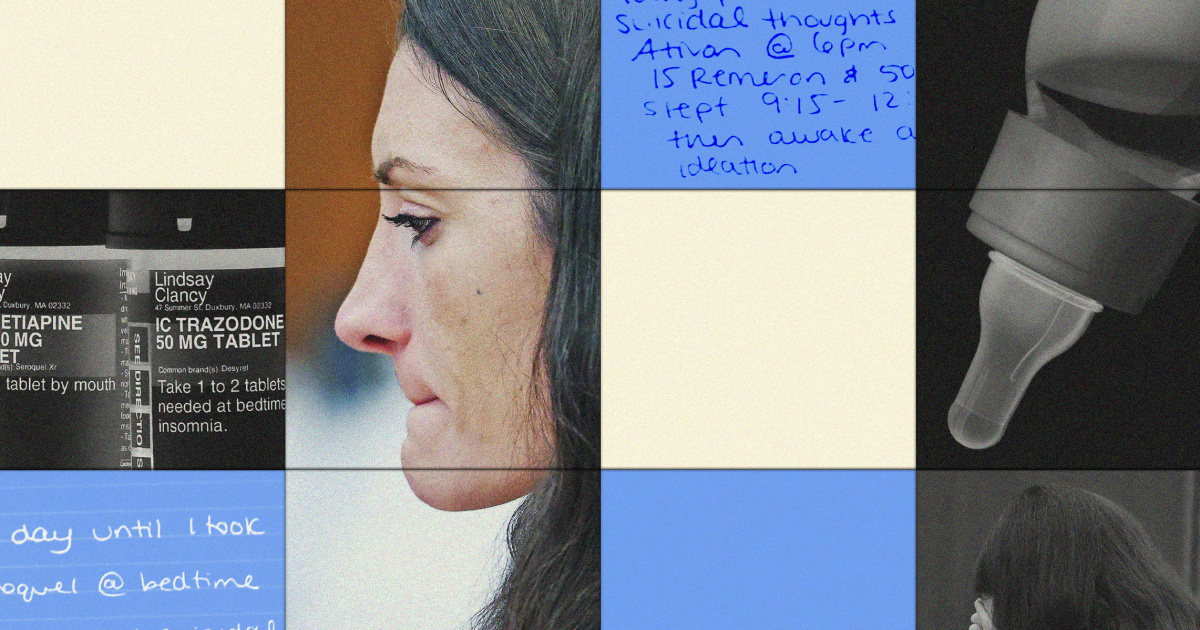
During the Lindsay Clancy case, three mothers disclosed the harrowing reality of postpartum psychosis, sparking a nationwide debate on maternal mental health. Their testimonies aim to raise awareness of this rare but deadly condition.
Key Takeaways
- Three mothers revealed the raw pain of postpartum psychosis.
- Lindsay Clancy trial amplified public discussion on the disorder.
- Experts call for immediate, accessible maternal mental‑health support.
Florida resident Ayana Lage experienced postpartum psychosis after delivering her daughter in August 2020, a condition that can make reality feel terrifyingly distorted.
While Lindsay Clancy, 36, faces murder charges for the 2023 strangling of her three children, these mothers used the high‑profile case to bring their own struggles into the spotlight.
Historical Background: Postpartum psychosis was first medically described in the late 1800s, but widespread awareness only grew after the tragic Andrea Yates case in 2001. Even today, many sufferers lack timely diagnosis and treatment.
Why This Matters
BozokMedia analysis shows that high‑visibility cases like Clancy’s can catalyze policy reforms and expand rapid‑response mental‑health services for new mothers.
"Postpartum psychosis is a medical emergency; early detection can literally save lives," says Dr. Sara Khan, maternal mental‑health specialist.
The mothers described how delusions of danger toward their infants led to legal battles and social stigma, underscoring the urgent need for comprehensive care.
Frequently Asked Questions
Question 1: What are the primary symptoms of postpartum psychosis?
Answer: Hallucinations, extreme paranoia, and a loss of touch with reality.
Question 2: What help is available for affected mothers?
Answer: Immediate psychiatric care, therapy, and peer‑support groups.