A fabricated quote regarding Iran's nuclear ambitions, originating from an anonymous Indian social media account, was amplified by top Israeli and US officials before being debunked. The incident highlights the dangerous intersection of AI-generated misinformation and global geopolitics.
- An anonymous Indian X account started a fake claim about Iran's nuclear weapons.
- Israeli PM Benjamin Netanyahu and US official Mike Waltz cited the fake quote in official capacities.
- The misinformation spread via AI-generated imagery and rapid cross-border sharing.
The geopolitical tension between the United States and Iran has moved beyond traditional military skirmishes in the Strait of Hormuz into the digital realm. A recent investigation reveals how a single, unverified post from an obscure corner of the internet managed to penetrate the highest levels of government in both Israel and the US, demonstrating the terrifying speed of modern misinformation.
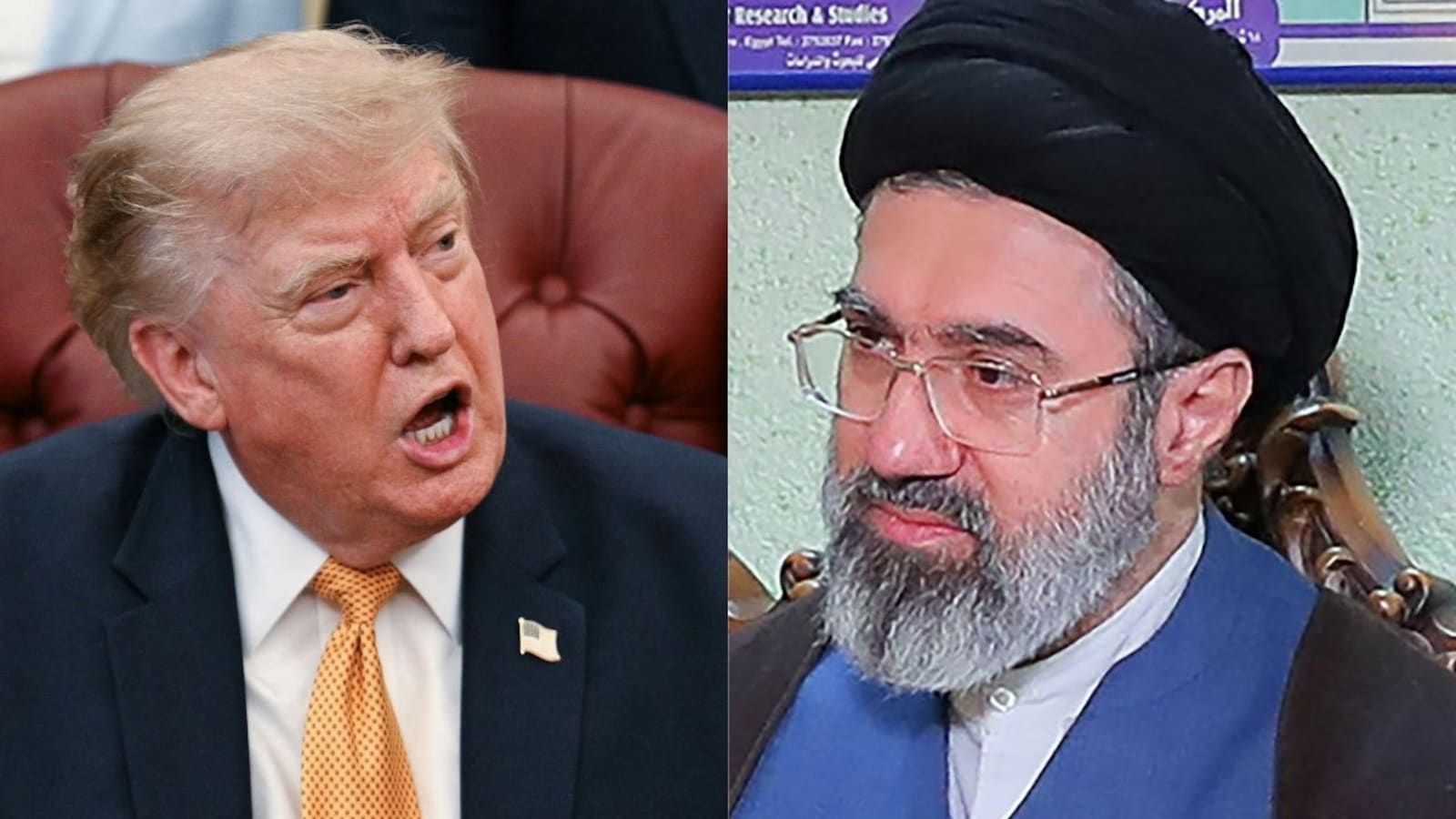
On August 5, an anonymous X (formerly Twitter) account based in India posted a sensational claim. The account alleged that Brig. Gen. Ahmad Vahidi, a commander in Iran's Islamic Revolutionary Guards Corps, had admitted that Iran would never stop pursuing nuclear weapons as long as the US and Israel possessed them. To add a veneer of authenticity, the post included a photo of the general alongside an AI-generated image of a mushroom cloud.
The trajectory of the lie was rapid. Within two hours, another Indian account shared a Hindi translation, which was then picked up by an Israeli account called 'Mossad Commentary'. Despite having no official link to the actual intelligence agency, the account's name provided a false sense of authority. From there, the claim leaped to Israel's Channel 14 and was amplified by Yair Netanyahu, the Prime Minister's son.
BozokMedia analysis shows that this incident is not merely a social media glitch but a systemic failure of intelligence verification in the age of AI. When the Prime Minister of a nuclear-armed state, Benjamin Netanyahu, references a fake tweet in a national speech at Mount Herzl, it creates a diplomatic crisis based on a fiction. This proves that 'digital noise' can now dictate real-world military and political rhetoric.
The weaponization of AI-generated content combined with the echo-chamber effect of social media has created a reality where perception outweighs evidence in international diplomacy.
In Washington, the impact was equally significant. Mike Waltz, the Trump administration's ambassador to the UN, shared the claim, stating it was an admission of what had been 'obvious for years.' Senator Rick Scott and Fox News also disseminated the false information. It was only after intense scrutiny that Waltz quietly deleted his post without an explanation.
Iran's foreign ministry spokesman, Esmail Baghaei, dismissed the claims as a 'flood of lies,' arguing that such fabrications are routinely used to justify military aggression against Tehran. While Iran maintains its nuclear program is for civilian use, the global community remains skeptical, making the region a fertile ground for such misinformation to take root.
Q1: Did Iran actually admit to building a nuclear bomb?
No. There is no evidence that Brig. Gen. Ahmad Vahidi ever made such a statement, and the original source was an anonymous social media account.
Q2: Which high-profile officials shared the fake news?
Israeli PM Benjamin Netanyahu, UN Ambassador Mike Waltz, and Senator Rick Scott were among those who amplified the claim.