A new sustainability report reveals that despite its economic boom, Gurgaon is grappling with falling groundwater, soaring air pollution, and overwhelming pressure on its power and transport networks. Immediate corrective actions are essential to safeguard the city’s future.
- Groundwater table drops 1.5‑2 m annually
- 323 cars per 1,000 residents, 50,000 new cars each year
- Green cover shrank to 6.7%, peak power demand hit 2,550 MW
Gurgaon, one of India’s fastest‑growing metros, is now outpacing its infrastructure capacity. The Centre of Excellence in Sustainable Development (CoESD) at Great Lakes Institute of Management released the Gurgaon Sustainability Handbook 2026, highlighting severe stress on water, air, power, and transport systems.
The study found that while four of the district’s five sub‑districts earned an ‘AAA’ rating for night‑time economic activity, their soil‑moisture scores lingered between ‘B’ and ‘BBB’, underscoring a mismatch between growth and environmental health.
Areas such as Nangli Umarpur, Medawas, and Ulhawas score ‘AAA’ for economic illumination but receive an ‘F’ for combustion‑linked emissions (NO₂ + CO), indicating high vehicular and ambient air pollution.
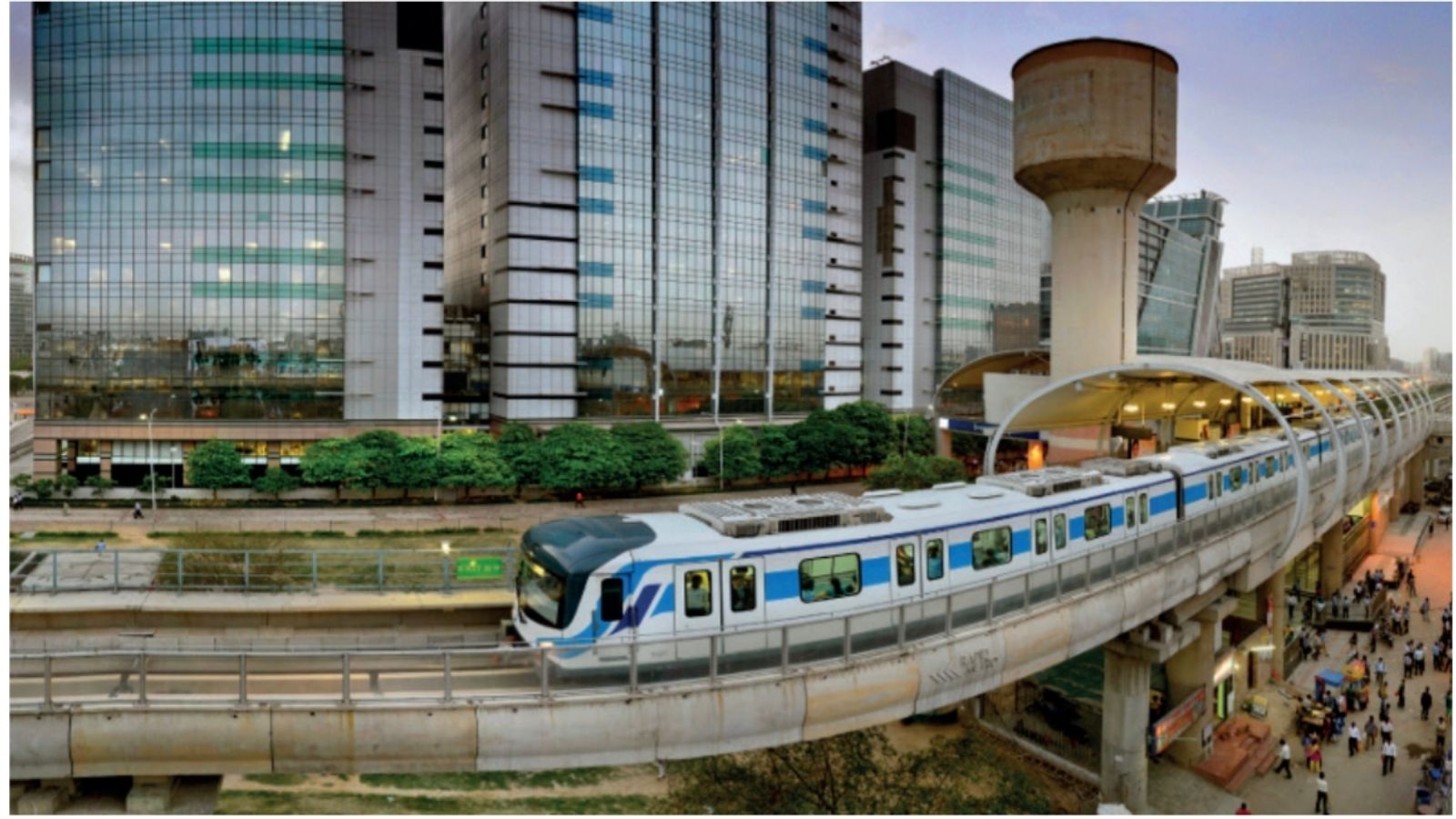
Spatial expansion has lengthened commutes dramatically. As corporate hubs shift from DLF Cyber City to the Golf Course Extension Road, Southern Peripheral Road, New Gurgaon, and the Dwarka Expressway, reliance on private vehicles has surged. Gurgaon now has roughly 323 cars per 1,000 residents, with over 50,000 new vehicles added annually.
Water scarcity is acute. The city consumes about 638 MLD of water daily against a canal‑based supply of 570 MLD, with demand projected to reach 1,481 MLD by 2041. Unchecked groundwater extraction is lowering the water table by 1.5‑2 m each year, pushing aquifers to nearly 39 m below ground.
Power reliability is equally strained. Peak demand hit a record 2,550 MW in 2026, prompting the operation of more than 10,500 diesel generators (totaling 2,000 MW). These generators cost Rs 30‑35 per unit versus Rs 8 from the grid, inflating household bills and releasing particulate matter. The report notes an untapped rooftop solar potential of around 600 MW.
Urban green cover has fallen from 10.8% in 2011 to 6.7% in 2023, while property prices average Rs 18,967 per sq ft, second only to Mumbai nationally. Over 40% of residents now live in congested peripheral villages such as Nathupur, Wazirabad, and Sikanderpur.
Why This Matters
BozokMedia analysis shows that if Gurgaon’s infrastructure challenges are not addressed swiftly, the city risks compromising not only local quality of life but also national economic productivity and climate‑change commitments.
"Making Gurgaon’s growth sustainable is no longer optional; it’s imperative," says environmental expert Dr. Rajat Singh.
Frequently Asked Questions
Q1: Is there a plan to expand public transport in Gurgaon?
A: Currently only 154 buses operate (18 per 100,000 people). Plans include metro extensions and Bus Rapid Transit (BRT) projects, but implementation has been slow.
Q2: What measures are recommended to curb the water crisis?
A: The report advises aggressive rainwater harvesting, wastewater recycling, and integrating rooftop solar with smart water‑management systems.