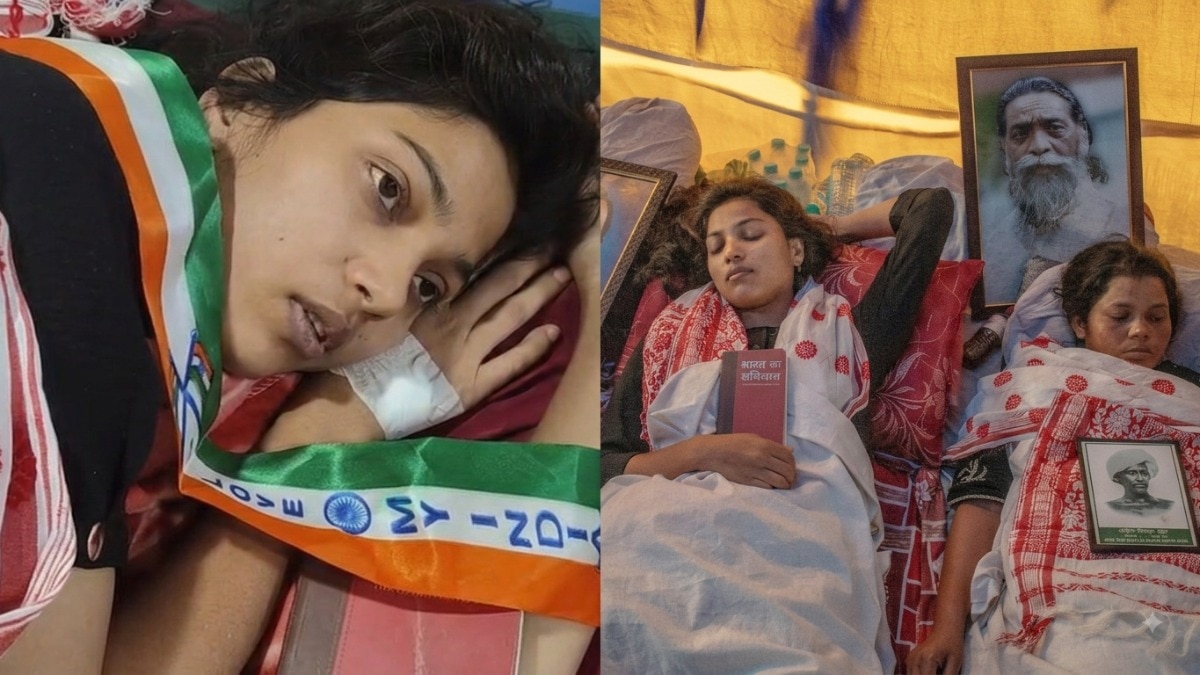
Habiba, who has been on a hunger strike for 13 days, has issued a desperate plea for help as her health deteriorates rapidly.
- Habiba has been on a continuous hunger strike for 13 days.
- Her physical health has reached a critical tipping point.
- She is urging immediate administrative intervention to resolve her grievances.
Habiba, who has been fasting for the past 13 days to demand justice, has reached a stage of extreme physical and emotional exhaustion. Her recent statements, filled with pain and desperation, have sent shockwaves through human rights circles. She expressed that she no longer knows how many days she has left to live, pleading for support from the public and authorities.
Medical observations indicate that the prolonged absence of nutrients has led to severe dehydration and organ stress. The psychological toll of being ignored by the system has further compounded her fragile state, making this a race against time to prevent a tragedy.
Why This Matters
BozokMedia analysis shows that this case is not just an individual struggle but a reflection of the systemic failure in addressing grassroots grievances. When a citizen feels that a hunger strike is the only remaining tool for communication, it signals a deep crisis in the administrative justice delivery system.
"Hunger strikes are the ultimate cry for help when all formal channels of justice are blocked."
Historically, hunger strikes have been utilized globally as a non-violent but powerful tool for social and political change. From the movements led by Mahatma Gandhi to modern-day civil rights protests, the objective is to place a moral burden on the oppressor. In Habiba's case, the urgency is now a matter of survival.
Frequently Asked Questions
Q1: How long has Habiba been on a hunger strike?
A: Habiba has been on a hunger strike for 13 consecutive days.
Q2: What is the current status of her health?
A: Her health is critical, and she has expressed fears regarding her survival.