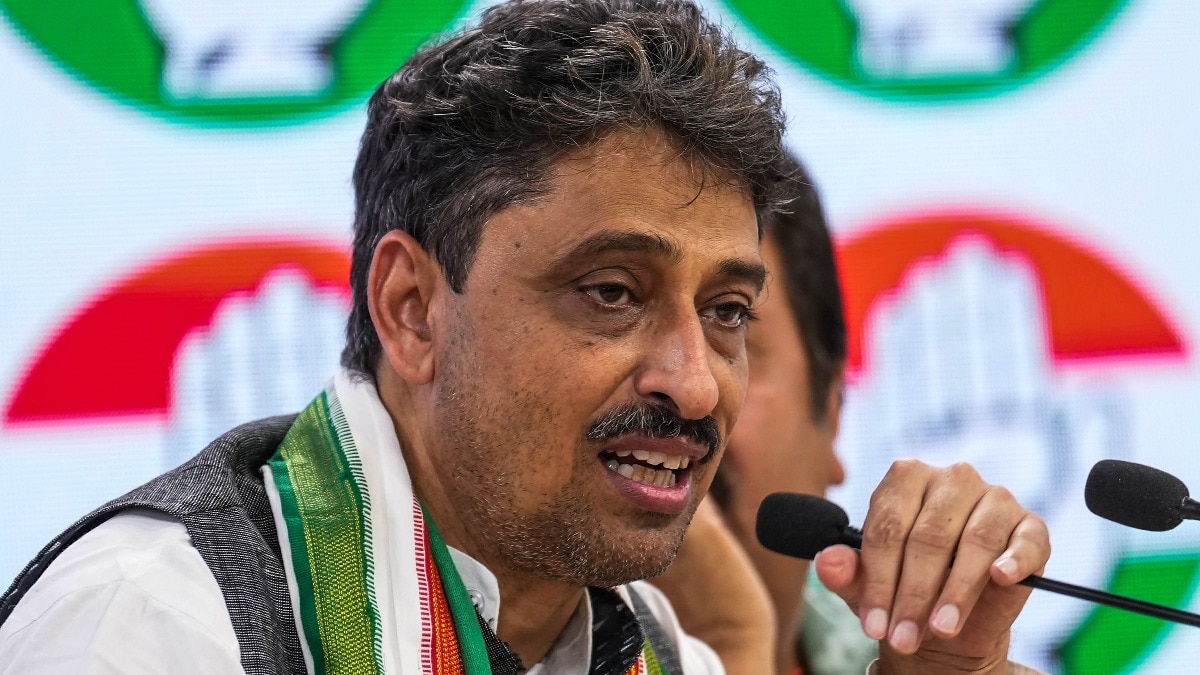
Controversial figure Imran Masood has sparked a new debate by stating that he worships only Allah in response to the ongoing Vande Mataram controversy. The statement highlights the tension between religious beliefs and national symbols.
- Imran Masood clarified his religious stance amid the Vande Mataram controversy.
- He asserted that he does not worship anyone other than Allah.
- The statement emphasizes the clash between individual faith and nationalistic expectations.
In the wake of escalating debates surrounding the singing of Vande Mataram, Imran Masood has made a definitive statement regarding his faith. Asserting his religious convictions, Masood stated, "I do not worship anyone other than Allah," thereby drawing a clear line between his spiritual obligations and the controversy surrounding the national song.
The controversy stems from differing interpretations of the lyrics of Vande Mataram, with some viewing it as a patriotic hymn and others interpreting certain phrases as contradictory to the concept of monotheism in Islam. Masood's blunt assertion has reignited these discussions across political and social spectrums.
Why This Matters
BozokMedia analysis shows that this discourse is a symptom of a larger struggle over the definition of 'patriotism' in a multicultural society. By prioritizing religious identity over a symbolic national gesture, figures like Masood challenge the monolithic expectation of nationalistic expression.
"The intersection of faith and nationalism often creates friction points that are amplified in the digital age, turning personal beliefs into political statements."
Historically, Vande Mataram, penned by Bankim Chandra Chatterjee, served as a rallying cry during the Indian independence movement. While it holds immense historical value, the theological implications of 'worshipping the motherland' have remained a point of contention for some sections of the minority community.
Masood's refusal to compromise his religious stance in the face of public pressure underscores the ongoing debate regarding secularism in India. His comments have triggered a wave of reactions, from those who support his right to religious freedom to those who view it as a lack of national respect.
Frequently Asked Questions
Q1: What did Imran Masood say about Vande Mataram?
A: He stated that he worships only Allah and no one else, addressing the controversy over the song's lyrics.
Q2: Why is Vande Mataram a subject of controversy?
A: The controversy arises from interpretations of the lyrics that some believe conflict with the monotheistic beliefs of certain religions.