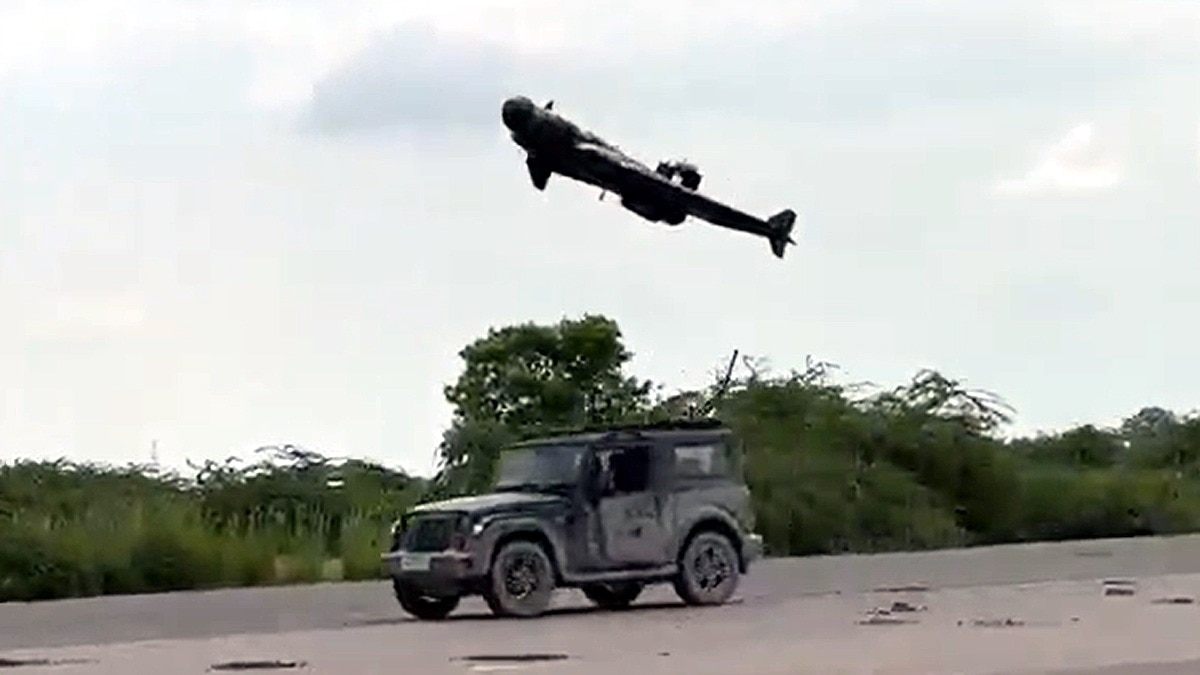
India's defense research agency announced the first successful test of the Divyastra MK3, a suicide drone powered by a domestically developed jet engine, marking a major milestone in indigenous weaponry.
Key Takeaways
- Divyastra MK3 completed a successful test flight
- First drone powered by an indigenous jet engine
- Boosts autonomy in defense technology
The Defence Research and Development Organisation (DRDO) demonstrated the maiden successful flight of its new indigenous suicide drone, Divyastra MK3, on Friday. Powered by a home‑grown jet engine, the drone reached an altitude of 15 km and maintained flight for 10 minutes, showcasing robust performance at the Durgapur Test Range in Uttarakhand.
Development of the Divyastra series spanned five years, evolving from earlier MK1 and MK2 prototypes with limited capabilities. The MK3 incorporates a more powerful engine, advanced target‑locking systems, and a cost‑effective manufacturing process, significantly enhancing India's strategic self‑reliance.
Why This Matters
BozokMedia analysis shows that a jet‑engine‑driven suicide drone reduces reliance on foreign suppliers and strengthens rapid response capabilities, potentially reshaping regional security dynamics.
"The successful test of Divyastra MK3 marks a decisive leap in India's defense autonomy," says defence analyst Prof. Rajesh Sharma.
Frequently Asked Questions
Q1: What mission profile is the Divyastra MK3 designed for?
A: It is intended primarily for high‑value target elimination using a suicide (self‑destruct) mission profile.
Q2: Will this drone be available for commercial use?
A: Currently, it is developed exclusively for the Indian Armed Forces, though export possibilities may be explored later.
