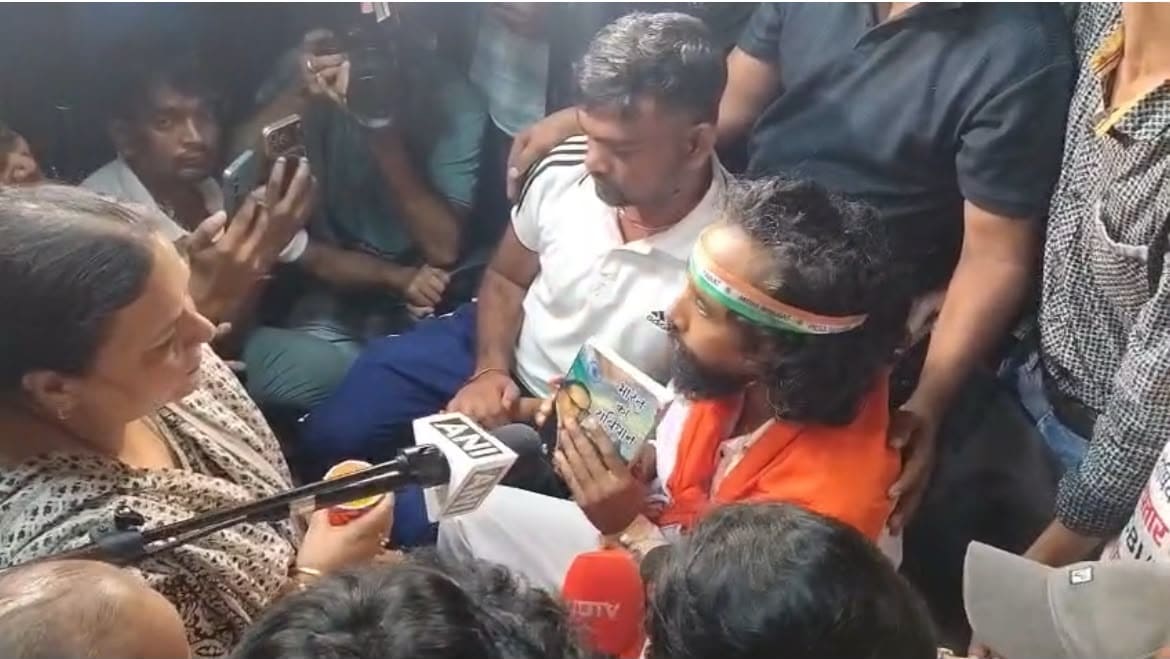
Prominent student leader Devendra Nath Mahato has called off his hunger strike, demanding a foolproof system to prevent future paper leaks. The move marks a critical juncture in the struggle for examination transparency in Jharkhand.
- Devendra Nath Mahato officially ended his hunger strike late evening.
- The protest focused on establishing a permanent mechanism to stop paper leaks.
- Demands centered on systemic transparency and administrative accountability.
In a significant development, Jharkhand's prominent student leader Devendra Nath Mahato called off his hunger strike late this evening. The protest was launched as a desperate measure to draw government attention toward the recurring menace of paper leaks that have plagued various competitive examinations across the state.
During his address following the conclusion of the strike, Mahato emphasized that the struggle does not end here. He stressed the urgent need for a comprehensive system that ensures the integrity of the examination process, preventing any future leakages that jeopardize the careers of millions of aspiring candidates.
Why This Matters
BozokMedia analysis shows that this movement is a symptom of a deeper crisis in Jharkhand's administrative machinery. The hunger strike serves as a barometer for the youth's discontent, indicating that the state government can no longer ignore the structural flaws in its recruitment boards. This puts immense pressure on the administration to implement digital safeguards and stricter legal penalties for leakages.
"The transition from protest to policy is the only way to ensure that the merit of students is not compromised by systemic failure."
Historically, Jharkhand has witnessed several high-profile exam scandals involving the JSSC and other state-level bodies. These incidents have led to widespread disillusionment among the youth, often resulting in prolonged legal battles and delayed appointments, which further fuels the fire of student activism.
Frequently Asked Questions
Q1: What was the primary objective of Devendra Nath Mahato's strike?
A: The primary objective was to demand a permanent, leak-proof system for conducting state examinations.
Q2: What happens next after the strike ends?
A: While the strike has ended, student organizations are expected to monitor the government's actions regarding the implementation of the demanded reforms.