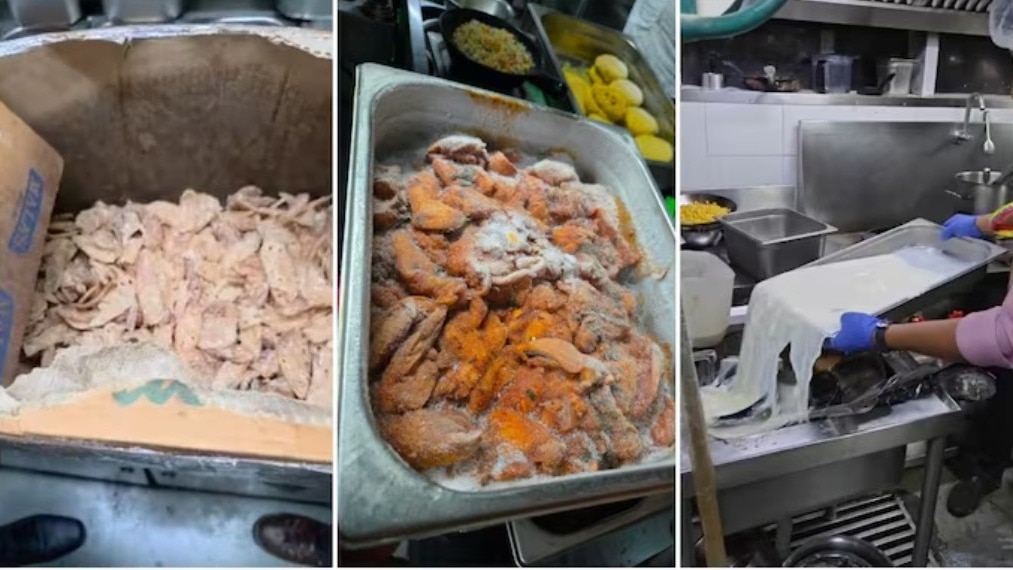
A massive statewide crackdown by Karnataka's food safety department has uncovered unsafe food samples in hostels and eateries. With nearly ₹6 lakh in fines imposed, the drive targets unhygienic practices in shawarma and kebab production.
- Over 960 hostels and hundreds of eateries inspected across Karnataka.
- Multiple shawarma and kebab samples declared 'unsafe' due to artificial colors and poor hygiene.
- Fines exceeding ₹6 lakh imposed on various food business operators.
- Massive seizure of rotten meat, fish, and non-compliant cooking oil.
The Karnataka Food Safety and Drugs Administration has launched a comprehensive statewide enforcement drive to purge the food supply chain of unhygienic practices. The operation spanned a diverse range of establishments, including student hostels, luxury hotels, roadside dhabas, schools, and even e-commerce warehouses. This initiative comes in response to growing concerns over foodborne illnesses and the unregulated use of additives in street foods.
A critical focus of the drive was on popular street delicacies. Out of 41 shawarma and 21 kebab samples tested, nine shawarma samples and one kebab sample were officially declared unsafe. The department noted that these samples exhibited clear signs of unhygienic preparation and the illegal use of artificial coloring agents, leading to immediate legal proceedings against the vendors.
Why This Matters
BozokMedia analysis shows that the systemic failure of food safety standards in both private eateries and government-run hostels highlights a critical gap in oversight. When basic nutrition centers like Anganwadis and student hostels are flagged, it indicates that the problem is structural rather than incidental. This crackdown is a necessary step toward establishing a culture of accountability in the food industry.
"Food safety is not a luxury but a fundamental right; any compromise in the kitchen is a direct threat to public health."
The scale of the operation was immense. Officials inspected 629 Backward Classes hostels and 331 Social Welfare Department hostels, collecting a total of 2,416 food samples. Furthermore, 889 food establishments across 186 bus stations were scrutinized, resulting in 206 notices and fines totaling ₹55,000. Highway dhabas were also a primary target, with 99 outlets inspected and ₹3.67 lakh in fines levied.
The digital economy's food infrastructure was also under the scanner. Out of 236 e-commerce food warehouses, 44 faced legal proceedings, and eight were fined ₹1.97 lakh for maintaining deplorable hygienic conditions. Additionally, the state's borders were monitored, where one milk sample arriving from Tamil Nadu was found to be substandard.
| Sector/Category | Inspections/Samples | Key Outcome/Action |
|---|---|---|
| Shawarma & Kebabs | 62 samples | 10 samples declared unsafe |
| Govt Hostels | 960 hostels | 2,416 samples collected |
| Highway Dhabas | 99 outlets | ₹3.67 lakh in fines |
| E-commerce Warehouses | 236 warehouses | ₹1.97 lakh in fines |
The drive culminated in the seizure of a staggering amount of contaminated food. Authorities confiscated 429 kg of mutton and chicken, 203 kg of fish, 200 kg of vegetarian food, and 49 liters of non-compliant cooking oil. In Bengaluru, the crackdown extended to high-end dining, with over 60 three-star and five-star hotels and four international restaurants inspected, resulting in 30 notices to operators.
Frequently Asked Questions
Q1: What triggered this statewide food safety drive?
A: The drive was triggered by numerous complaints regarding unhygienic food preparation and the use of prohibited artificial colors in popular street foods.
Q2: Which sectors saw the highest penalties?
A: Roadside dhabas and e-commerce warehouses saw significant fines due to gross violations of hygiene and storage standards.