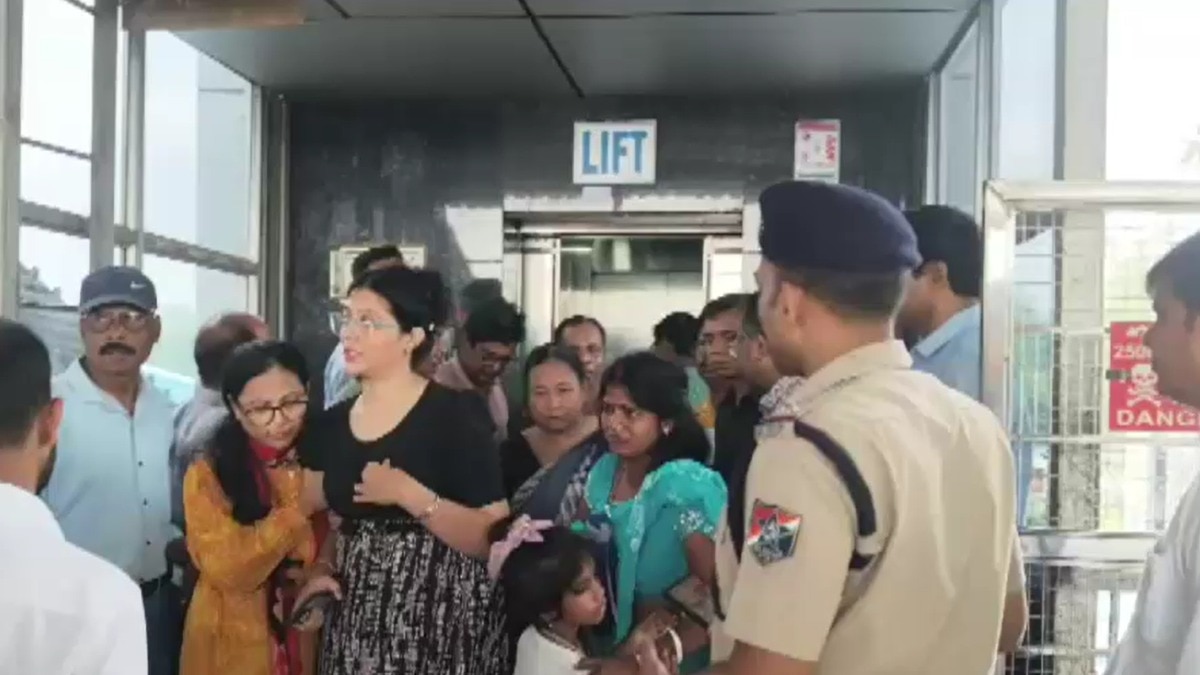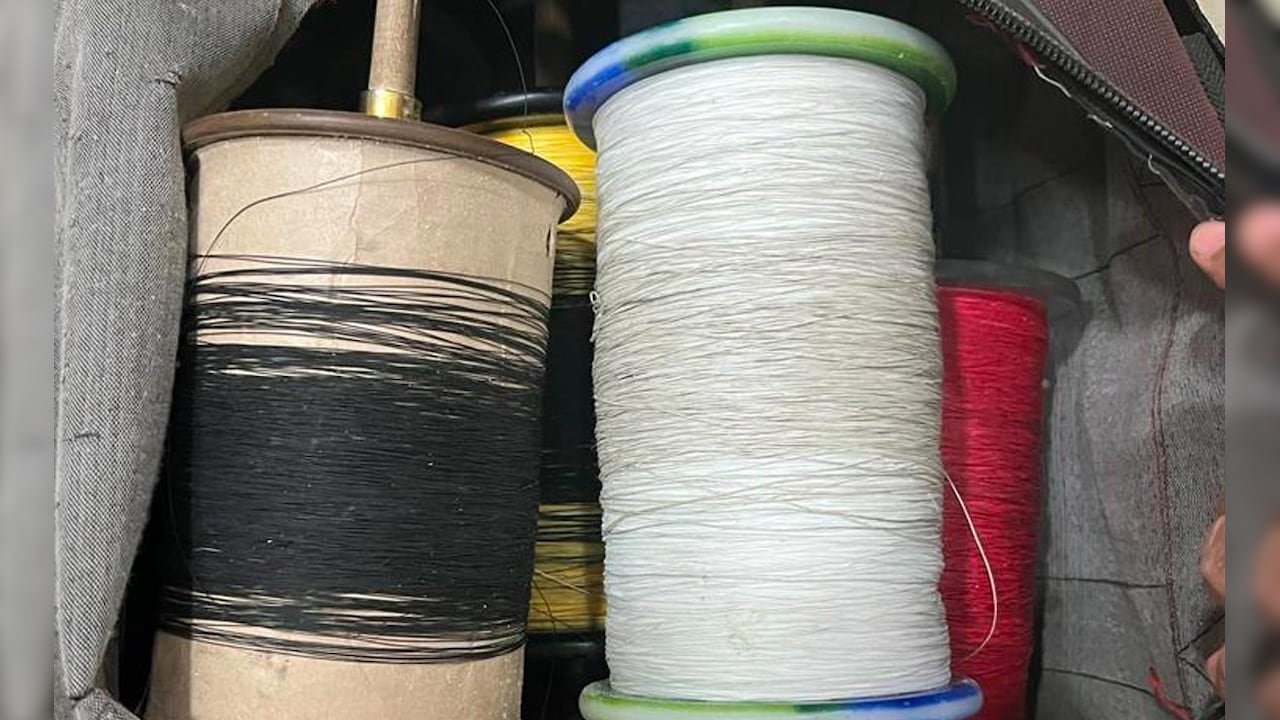
A tragic incident occurred on the Delhi-Meerut Expressway on August 15, where a man lost his life after his throat was slit by a lethal kite string (manjha) while traveling.
- Fatal accident on Delhi-Meerut Expressway involving a kite string.
- Incident occurred around 2 PM on August 15.
- Passersby alerted authorities via the Dial-112 emergency service.
A horrifying tragedy unfolded on the high-speed Delhi-Meerut Expressway during the Independence Day celebrations. Around 2 PM on August 15, a man traveling on the expressway encountered a stray, sharp kite string, commonly known as manjha, which was drifting in the wind. The velocity of the vehicle combined with the sharpness of the string resulted in a deep laceration to the man's throat, leading to instantaneous and fatal blood loss.
The incident was brought to the attention of the authorities by alert passersby who witnessed the accident and immediately contacted the Dial-112 emergency response system. Despite the swift notification, the victim succumbed to his injuries on the spot. Police have since cordoned off the area and shifted the body for a forensic autopsy.
Historical Background
Kite flying is a deeply rooted tradition in North India, peaking during festivals like Independence Day and Makar Sankranti. However, the introduction of synthetic, glass-coated 'Chinese manjha' has transformed this hobby into a lethal hazard. These non-biodegradable strings are notorious for causing severe injuries to motorcyclists and killing thousands of birds annually, leading to various state-level bans.
Why This Matters
BozokMedia analysis shows that the persistent availability of illegal synthetic strings despite legal bans highlights a significant failure in regulatory enforcement. When these strings settle on high-speed corridors like expressways, they become invisible guillotines for commuters.
"The intersection of high-speed transit and unregulated festive activities creates a volatile environment where a simple string can become a deadly weapon."
This incident serves as a grim reminder of the need for stricter urban management during festivals. The vulnerability of two-wheeler riders and open-top vehicle passengers to such hazards remains a critical safety gap in Indian metropolitan infrastructure.
Frequently Asked Questions
Q1: Is the use of synthetic manjha illegal in India?
A: Yes, the production, sale, and use of synthetic or glass-coated manjha are banned in several Indian states due to safety and environmental concerns.
Q2: How can commuters protect themselves?
A: While avoiding high-risk areas during kite festivals is ideal, wearing protective neck gear or scarves during such seasons can provide a basic layer of defense for bikers.