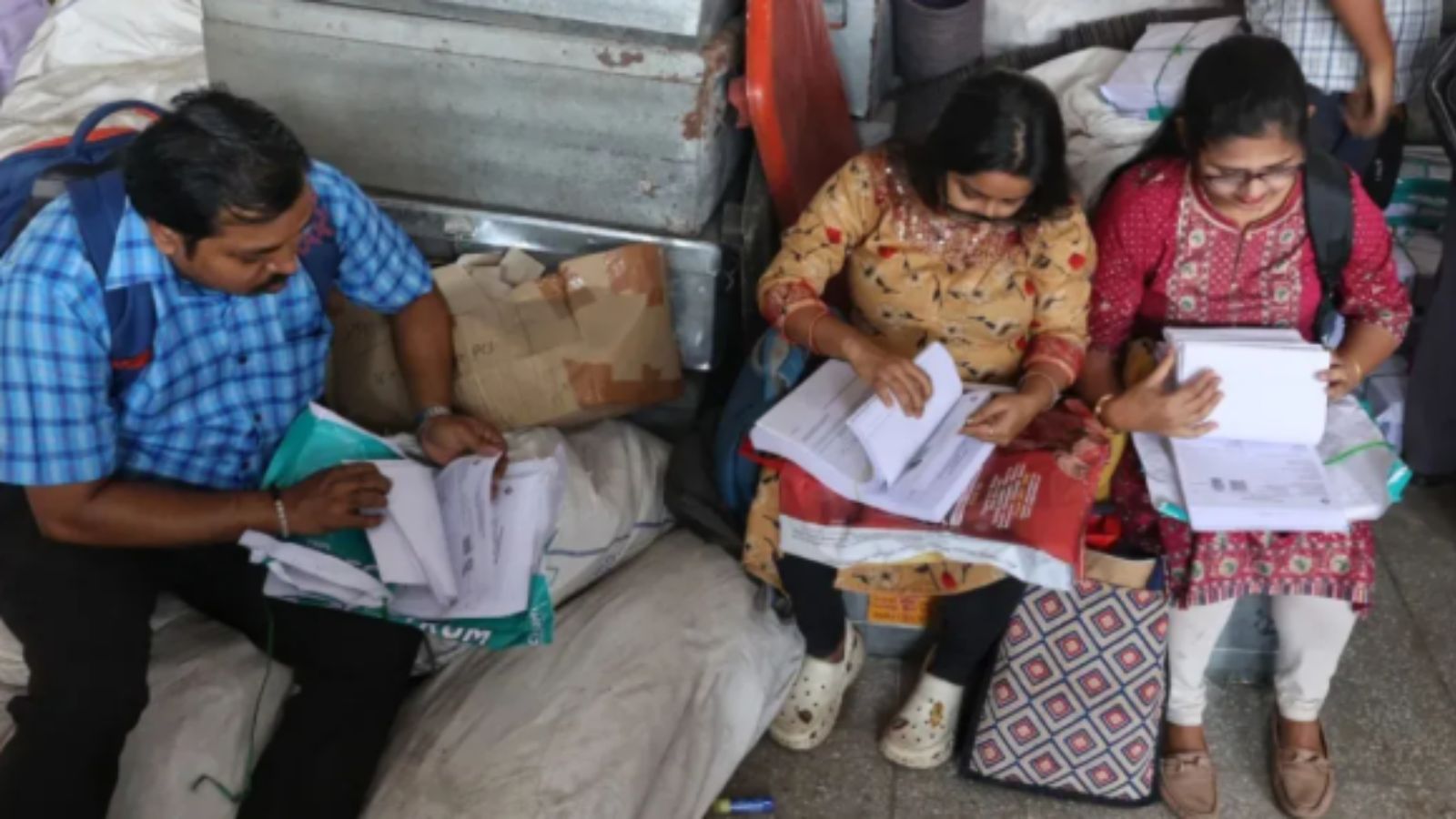
The Pune district administration is set to remove over 28 lakh voters from the electoral rolls following a Special Intensive Revision (SIR). Additionally, 15.4 lakh citizens must attend hearings to resolve 'logical discrepancies' in their data.
- 28.79 lakh voters marked for deletion due to ASDD (Absent, Shifted, Dead, or Duplicate) status.
- 15.43 lakh voters summoned for hearings due to data anomalies and lack of links to 2002 records.
- Draft electoral roll publication scheduled for August 24, with final rolls on October 27.
In a massive administrative overhaul, the Pune district administration has revealed that approximately 28.79 lakh voters are set to be deleted from the electoral rolls. This comes as part of the Special Intensive Revision (SIR) currently being conducted by the Election Commission to ensure the purity and accuracy of the voter database.
Out of the total 90,80,173 voters in the district, the administration has achieved a nearly perfect distribution of enumeration forms (99.99%). However, the scale of deletions is staggering. The voters marked for removal fall under the ASDD category, which includes those who are Absent, Shifted, Dead, or Duplicate. This process is designed to prune the rolls of ghost voters and outdated entries to prevent electoral fraud.
Beyond the deletions, a significant number of citizens—roughly 15.43 lakh—find themselves in a legal limbo. These individuals have been flagged for "logical discrepancies" or a total lack of links between their current details and the records from 2002. Specifically, 7.25 lakh voters have data anomalies, while 8.18 lakh have no traceable link to historical data.
Why This Matters
BozokMedia analysis shows that the use of algorithmic 'logical discrepancies' to prune voter lists is a high-stakes administrative move. While intended to clean the rolls, it risks disenfranchising legitimate voters due to software errors or clerical mistakes from decades ago. The precedent set in West Bengal, where 27 lakh names were excluded, suggests that these 'logical' filters can have massive political implications if not handled with extreme transparency.
The transition from manual verification to software-driven anomaly detection in electoral rolls creates a critical need for accessible grievance redressal to prevent mass disenfranchisement.
The administration has clarified that an anomaly does not automatically mean a record is fraudulent. For example, the software may flag a discrepancy if the age difference between two siblings is recorded as less than nine months. District Collector Jitendra Dudi has assured that Booth Level Officers (BLOs) will issue notices and hearings will be conducted to resolve these errors before the final list is published.
The timeline for this process is tight. The draft roll will be published on August 24, and citizens have until September 23 to file claims and objections. The entire process of hearings and disposal of claims will conclude by October 22, leading to the final publication on October 27.
| Category | Number of Voters | Action Required |
|---|---|---|
| ASDD (Absent, Shifted, Dead, Duplicate) | 28.79 Lakh | Deletion from Roll |
| Data Anomalies/No Links | 15.43 Lakh | Mandatory Hearing/Verification |
| Total District Voters | 90.80 Lakh | Verification Process |
Frequently Asked Questions
Q1: What happens if my name is in the ASDD list by mistake?
You can file a claim or objection between August 24 and September 23 to prove your eligibility and have your name restored.
Q2: Do all 15.43 lakh voters with anomalies need to attend hearings?
No, some discrepancies may be resolved through simple document verification without the need for a formal hearing.