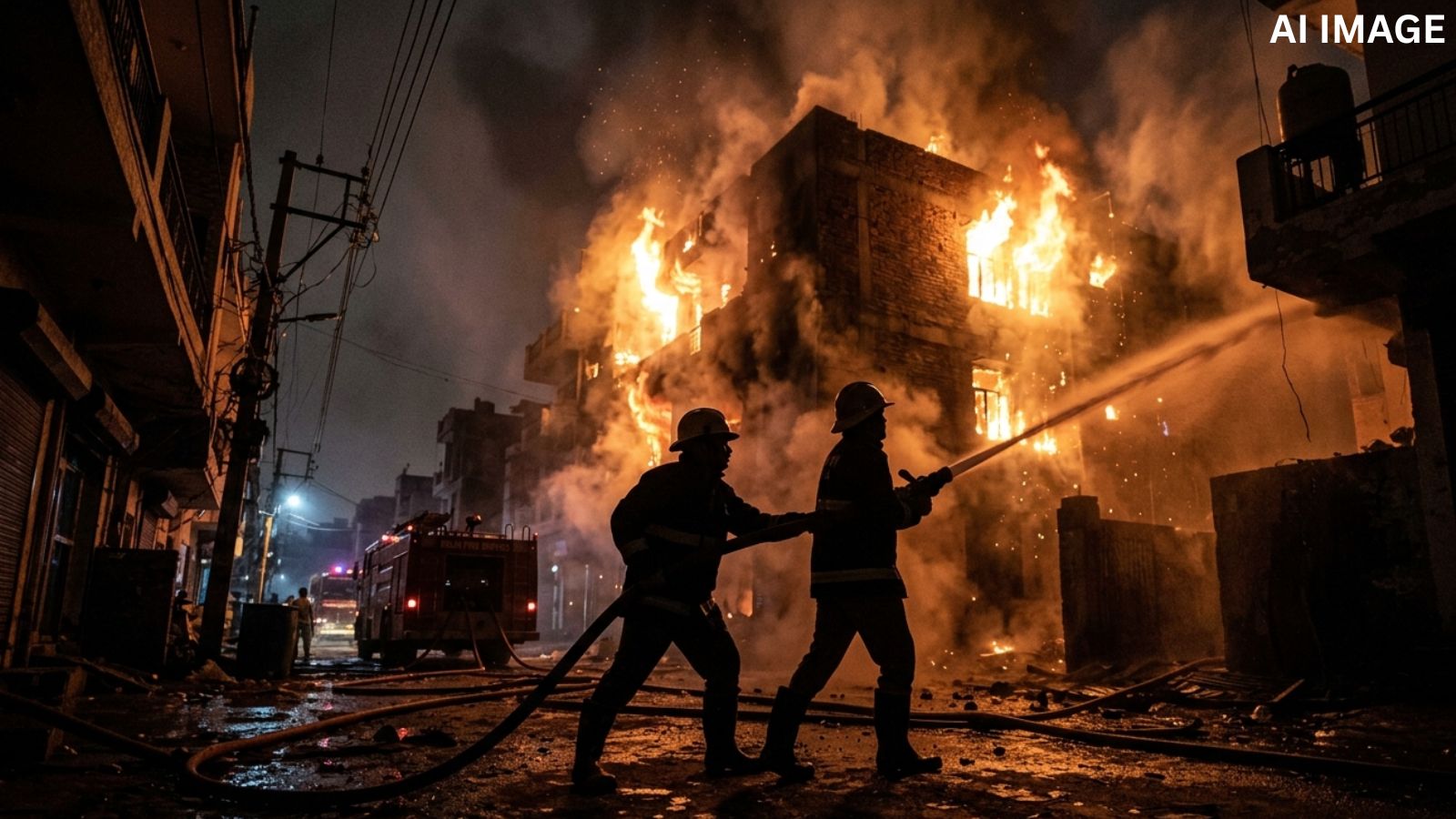
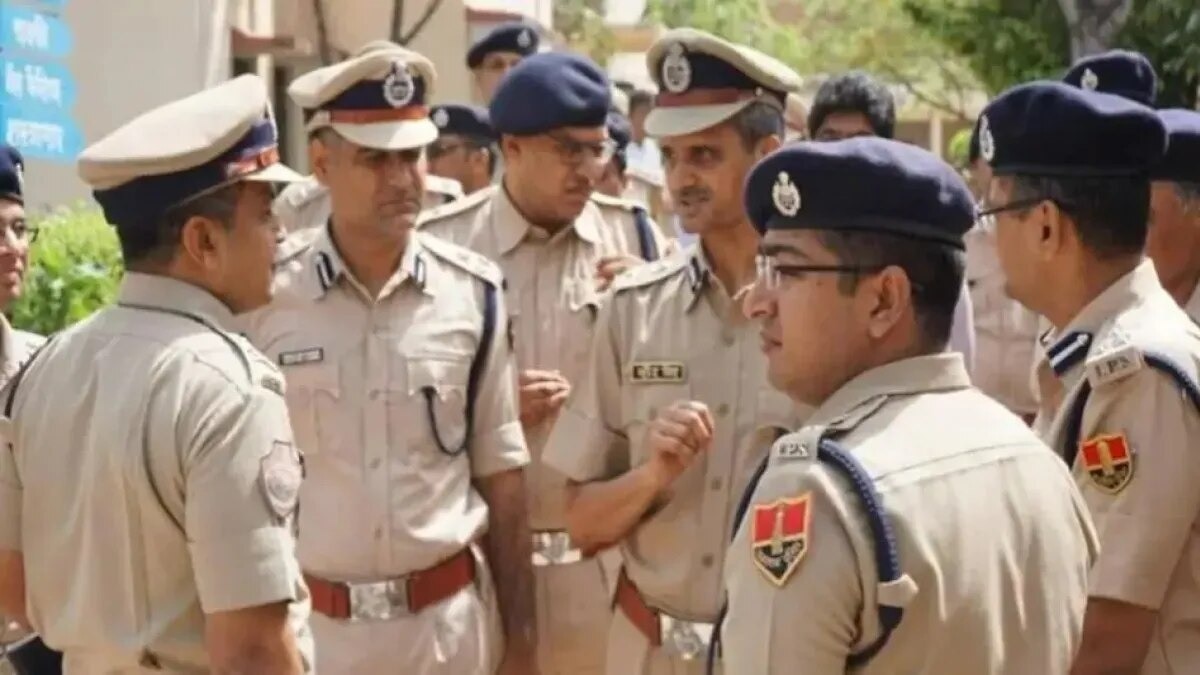
A tragic 'stampede-like' event at the Ashok Dham Temple in Lakhisarai, Bihar, has claimed six lives. The chaos was triggered by a fallen power cable and a sudden surge of crowds due to train arrivals.
- Six fatalities reported at Ashok Dham Temple, Lakhisarai, Bihar.
- Triggered by a fallen electrical cable and simultaneous train arrivals.
- Prime Minister Narendra Modi expressed deep grief over the loss of lives.
In a devastating incident in the Lakhisarai district of Bihar, at least six people lost their lives during a 'stampede-like' event at the Ashok Dham Temple. The incident occurred amidst a heavy influx of devotees, leading to a chaotic scene that quickly turned fatal as people struggled to escape the crush.
According to official reports, the panic was sparked by a fallen electrical cable within the temple premises. This technical failure, combined with the simultaneous arrival of two trains at the nearby station, led to a sudden and uncontrollable surge of people, triggering the deadly crush.
Why This Matters
BozokMedia analysis shows that this incident underscores the precarious nature of crowd control at high-traffic religious sites. The convergence of infrastructure failure and logistical mismanagement transforms a spiritual gathering into a death trap, necessitating a complete overhaul of safety protocols in Bihar's pilgrimage hubs.
"The intersection of electrical hazards and uncontrolled crowd density is a recipe for disaster in urban religious centers."
Emergency services rushed to the scene to rescue the trapped and injured. Local hospitals are currently treating several individuals, some of whom remain in critical condition. The local administration has launched an investigation to determine if there were any lapses in safety audits prior to the event.
Historical Background
India has a history of tragic stampedes at religious festivals and shrines, often attributed to narrow entry-exit points and a lack of coordinated crowd management. From the Kumbh Mela to various local shrines, these events repeatedly highlight the gap between the scale of devotion and the scale of safety infrastructure.
Frequently Asked Questions
Q1: What caused the stampede at the Bihar temple?
A: A fallen power cable caused initial panic, which was exacerbated by a sudden crowd surge following the arrival of two trains.
Q2: What was the official response to the tragedy?
A: Prime Minister Narendra Modi expressed his grief and condolences for the victims and their families.