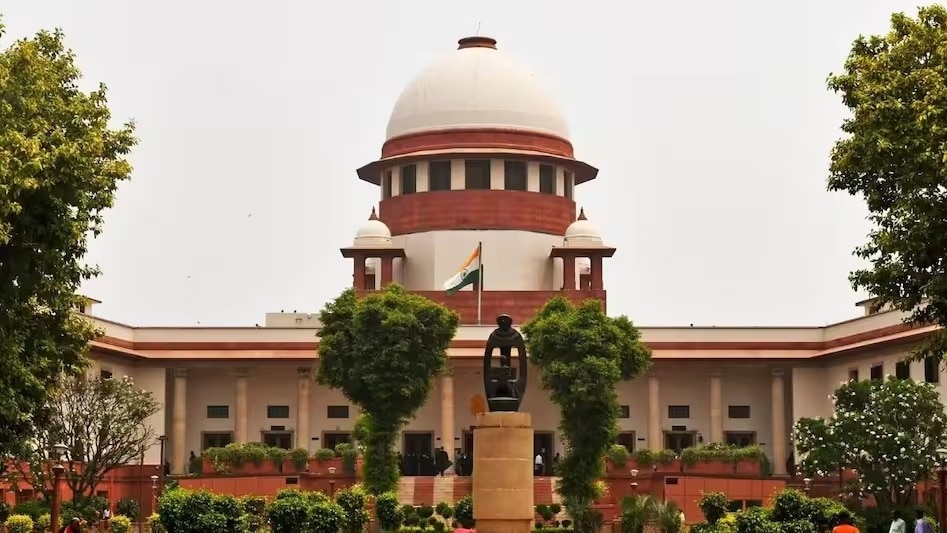
The Supreme Court of India has declared that purging elections of 'tainted money' is the primary responsibility of the Election Commission. The court warned that monetary gratification destroys the essence of free choice in a democracy.
- The Supreme Court designated the removal of black money from elections as the Election Commission of India's (ECI) core responsibility.
- Justice Sanjay Karol noted that ill-gotten money compromises the rule of law and the very essence of democratic choice.
- The court mandated a one-year deadline for completing investigations into election-related financial crimes.
- Strict reporting protocols were established for the seizure of cash and assets during polling.
In a landmark judgment delivered on August 17, 2026, the Supreme Court of India emphasized that the influence of black money in the electoral process is a systemic failure that threatens the foundations of Indian democracy. The court observed that when voters are influenced by monetary gratification or misleading promises funded by undeclared wealth, their choice is no longer autonomous but is instead 'thrust upon them' by external forces.
The judgment, authored by Justice Sanjay Karol, highlighted that the 'bane of tainted money' is an age-old problem that has been recognized repeatedly but never effectively resolved. The court argued that the integrity of the electoral process is fundamentally compromised when ill-gotten money is used to sway public opinion, thereby turning a democratic exercise into a transaction of gratification.
Why This Matters
BozokMedia analysis shows that this ruling shifts the burden of systemic cleanup directly onto the Election Commission of India (ECI). By framing the presence of black money as a violation of the 'rule of law,' the court is providing a legal basis for more aggressive seizures and faster prosecutions of political candidates and financiers who bypass legal funding channels.
The intersection of undeclared wealth and democratic voting is where the concept of 'free and fair elections' becomes a myth rather than a reality.
To ensure these directives are not mere suggestions, the Court has implemented strict procedural timelines. Specifically, the Bench directed that once an FIR is registered regarding election-related black money, the Investigating Officer (IO) must complete the probe within one year. Any delay must be documented and reported directly to the ECI, ensuring a layer of accountability that was previously missing in such cases.
The legal battle originated from a plea filed by the Karnataka government concerning the 2014 Lok Sabha polls, specifically focusing on the massive seizure of black money in the Bellary district. This historical context underscores the scale of financial manipulation that can occur in regional strongholds during national elections.
Furthermore, the Court established a clear reporting chain: any authority seizing assets must report to the District Magistrate or competent court within 24 hours, detailing the nexus between the seized cash and the suspected electoral offense. For seizures exceeding ₹10 lakh, the information must be immediately forwarded to the Income Tax authorities.
| Action Item | Previous Status | New SC Mandate |
|---|---|---|
| Investigation Timeline | Open-ended/Slow | Strict 1-year completion goal |
| Seizure Reporting | Variable protocols | Mandatory report within 24 hours |
| High-Value Seizures | Internal ECI handling | Direct link to Income Tax Dept (>10L) |
Frequently Asked Questions
Q1: What happens if an investigation into election black money takes longer than a year?
The Investigating Officer must record the specific reasons for the delay and communicate them formally to the Election Commission of India.
Q2: Who is responsible for ensuring the speedy trial of these cases?
The Supreme Court has specifically directed the High Courts to ensure that trials related to election-related black money are expedited.