Telangana's Chief Electoral Officer has announced the removal of over 73 lakh voters from the draft rolls following a Special Intensive Revision (SIR), with millions more facing scrutiny due to anomalies.
- 73.39 lakh voters deleted from Telangana's draft electoral rolls.
- 92 lakh electors will receive official notices regarding anomalies or missing data.
- The revision process involved 3.38 crore voters across 33 districts.
- Claims and objections period open from August 17 to September 16.
In a massive administrative exercise to sanitize the electoral database, the Telangana Chief Electoral Officer (CEO) C Sudarshan Reddy announced that approximately 73.39 lakh voters have been removed from the Special Intensive Revision (SIR) draft rolls. This move comes as part of an effort to ensure the accuracy of the voter list ahead of future elections, removing dead, shifted, or duplicate entries.
The scale of the revision is immense. Out of the state's total 3.38 crore voters, the Election Commission successfully collected enumeration forms from 78.30% of the population. However, the remaining gap has led to significant deletions. Specifically, 9,22,229 (2.73%) voters were confirmed deceased, while a staggering 57,46,803 (16.99%) were found to have permanently shifted or were absent. Additionally, 6,70,203 (1.98%) entries were flagged as duplicate enrollments in multiple locations.
Beyond the deletions, the CEO highlighted a critical issue with data integrity. About 60 lakh voters had anomalies in their records, and another 32 lakh electors remained "unmapped," meaning they could not be linked back to the 2002 base roll. This discrepancy is the primary reason why nearly 92 lakh voters are now slated to receive formal notices to clarify their status.
Why This Matters
BozokMedia analysis shows that such a large-scale purge can significantly alter the democratic landscape of a state. While cleaning the rolls is essential to prevent electoral fraud and "ghost voting," the removal of over 73 lakh names creates a high risk of legitimate voters being disenfranchised if the correction process is not seamless. The reliance on a 2002 base roll indicates a struggle to synchronize decades-old data with modern migration patterns.
The integrity of a democracy rests on the accuracy of its voter rolls; any discrepancy between the base roll and current residency can lead to systemic exclusion.
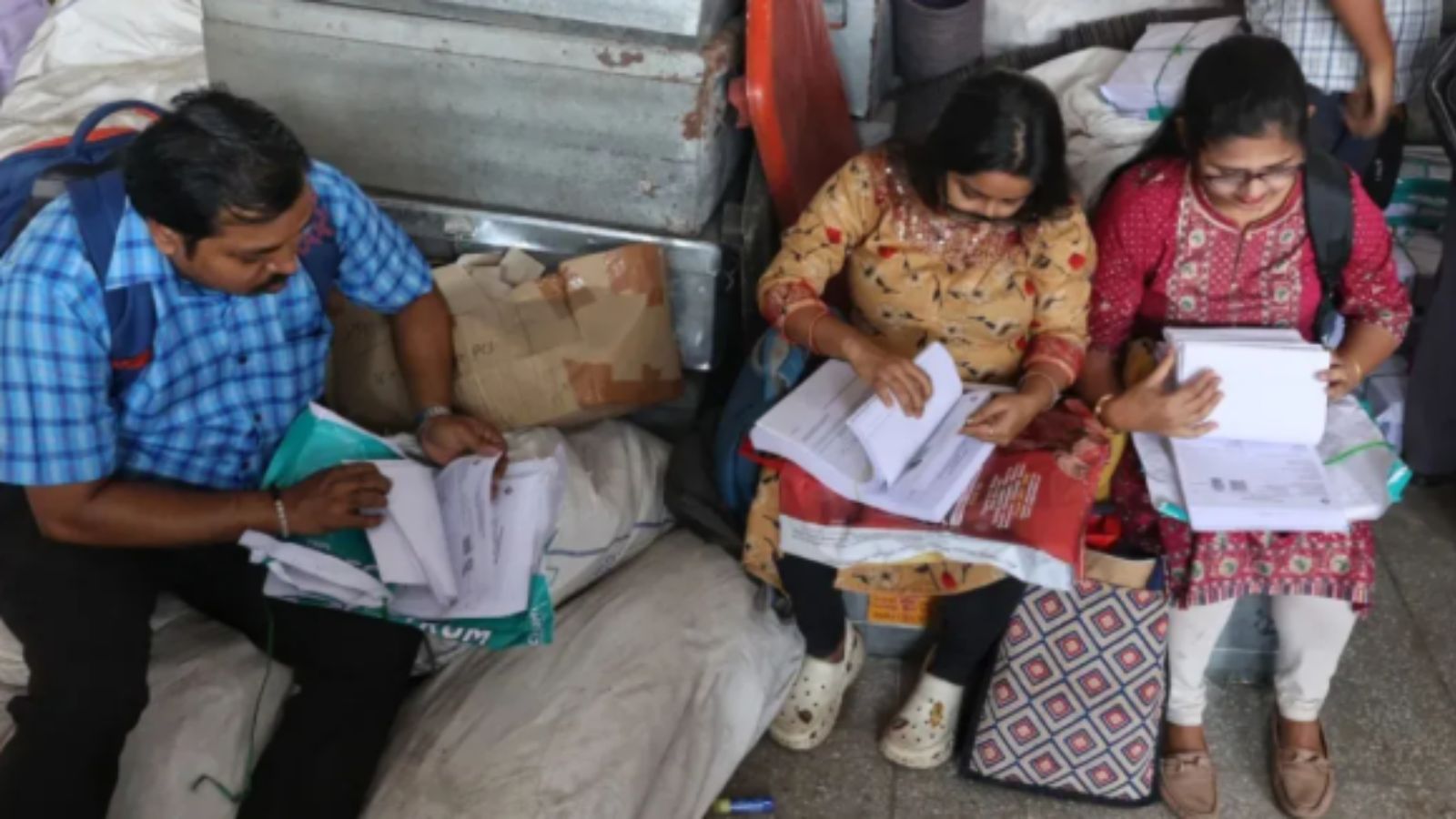
To manage this transition, the state has deployed a massive workforce, including 119 electoral registration officers, 35,985 Booth Level Officers (BLOs), and nearly 50,000 booth-level agents provided by political parties. This ensures that the process remains transparent and witnessed by various political stakeholders.
Voters who find their names missing or incorrect have a window of opportunity. From August 17 to September 16, citizens can file claims and objections. New voters can use Form 6, overseas Indians can use Form 6A, and those seeking corrections or residence shifts can utilize Form 8.
| Category of Removal | Number of Voters | Percentage |
|---|---|---|
| Permanently Shifted/Absent | 57,46,803 | 16.99% |
| Deceased | 9,22,229 | 2.73% |
| Duplicate Entries | 6,70,203 | 1.98% |
Frequently Asked Questions
Q1: What should I do if my name is missing from the draft roll?
You can file Form 6 for inclusion during the claims and objections period between August 17 and September 16.
Q2: How can I correct a mistake in my voter details?
You can submit Form 8 for correction of particulars or for shifting your residence within or outside the constituency.