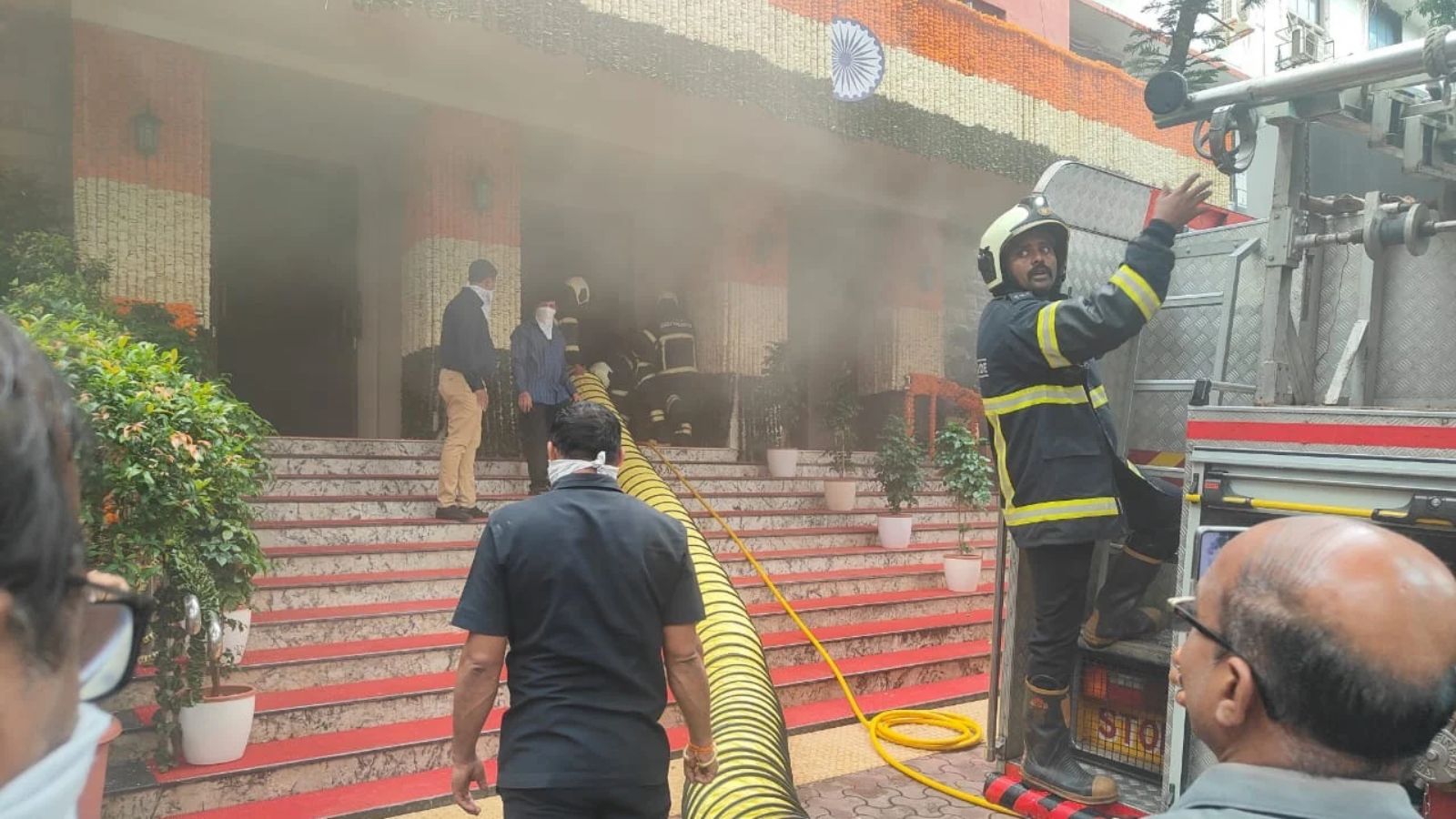
Associated Press (AP) photojournalists have captured the essence of the day's most critical global events. From human struggle to political triumphs, these images provide a raw look at our changing world.
- Comprehensive visual documentation of global events by AP journalists.
- Focus on human emotion, geopolitical shifts, and environmental crises.
- Highlighting the critical role of visual evidence in modern reporting.
The Associated Press (AP) has once again demonstrated its unrivaled capability in visual storytelling by releasing a curated collection of the day's most significant photographs. These images serve as a window into the diverse experiences of humanity, capturing moments of extreme vulnerability, resilience, and power across different continents.
In an era dominated by rapid-fire social media updates, the precision and ethics of professional photojournalism remain indispensable. AP's photographers operate under rigorous standards, ensuring that the images are not only visually stunning but also contextually accurate and unbiased, providing a necessary check against misinformation.
Why This Matters
BozokMedia analysis shows that visual narratives have a higher retention rate and emotional impact than text-only reporting. By distilling complex geopolitical conflicts into a single frame, AP enables a global audience to empathize with distant crises, often triggering diplomatic responses or humanitarian aid movements.
"A photograph is not just a record of a moment; it is a witness to history that demands a response from the viewer."
Looking back at the historical trajectory of the Associated Press, the agency has been at the forefront of documenting the 20th and 21st centuries. From the frontlines of global wars to the quiet moments of social revolution, their archives provide an empirical record of human progress and failure.
Frequently Asked Questions
Q1: Why are AP photos considered a gold standard in journalism?
A: Due to their strict adherence to editorial integrity, objectivity, and the bravery of their photographers in high-risk zones.
Q2: How does photojournalism differ from regular photography?
A: Photojournalism is bound by a code of ethics to tell a truthful story without staging or manipulating the scene to mislead the viewer.