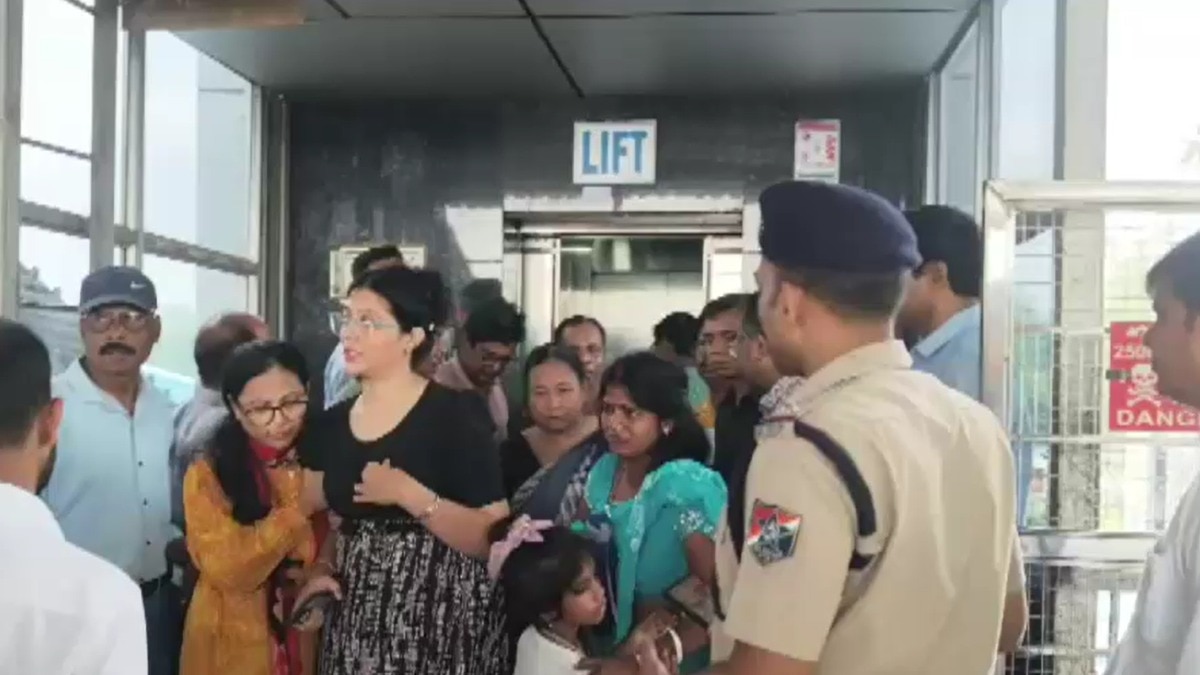
A series of devastating accidents in eastern India, including a chaotic temple stampede in Bihar and a fatal hotel fire, have claimed 14 lives and left numerous others injured.
- 14 total fatalities reported across two separate incidents in eastern India.
- Panic erupted at a Bihar temple following rumors of a live electrical wire.
- Prime Minister's National Relief Fund (PMNRF) providing ex-gratia payments.
- Government officials, including Amit Shah, confirming emergency medical support.
Eastern India has been shaken by two distinct tragedies that have claimed 14 lives. The most harrowing incident occurred in Lakhisarai, Bihar, where a temple visit turned into a scene of absolute chaos. Reports indicate that a massive crowd had gathered at the temple, creating a volatile environment. The situation escalated rapidly when a rumor spread among the devotees that a live electrical wire had snapped, causing immediate panic.
Witnesses describe a terrifying scene where a large crowd attempted to exit the queue simultaneously, leading to a deadly stampede. Among the deceased are at least seven women, highlighting the vulnerability of female pilgrims in such crowded settings. Emergency services rushed to the scene, but the sheer volume of people made rescue operations grueling.
Why This Matters
BozokMedia analysis shows that this incident underscores a systemic failure in crowd management during religious festivals in rural India. The rapid spread of misinformation, combined with inadequate perimeter control, creates a 'death trap' scenario that is recurring across various shrines in the region.
The intersection of high-density gatherings and unchecked rumors is a recipe for disaster in public safety management.
Parallel to the temple tragedy, a devastating hotel fire broke out in the region, contributing to the overall death toll. While the temple stampede was driven by panic, the fire incident points toward potential lapses in building safety codes and fire prevention protocols in commercial hospitality sectors.
In response to the tragedies, the Prime Minister's Office has announced ex-gratia compensation from the Prime Minister's National Relief Fund (PMNRF) for the victims' families. Home Minister Amit Shah expressed his condolences, stating that the administration is providing all possible medical treatment to the injured.
Historical Background
India has a long and tragic history of temple stampedes, often linked to 'Kumbh Mela' style gatherings or local festivals. From the 2013 Allahabad stampede to various incidents in South India, the pattern remains the same: insufficient entry-exit points and the 'ripple effect' of panic. These events often lead to temporary mandates for stricter registration processes for pilgrims.
Frequently Asked Questions
Q1: What caused the stampede in Bihar?
The stampede was triggered by a rumor regarding a live electrical wire, which caused a massive crowd to panic and rush toward the exits simultaneously.
Q2: What assistance is being provided to the victims?
The Indian government has announced financial aid via the PMNRF, and the local administration is ensuring comprehensive medical care for the survivors.