U.S. President Donald Trump described his relationship with Kim Jong Un as "good" while hinting at a reduction in joint South Korea‑U.S. exercises. South Korea's defence ministry affirmed that the drills will continue as scheduled.
Key Takeaways
- Trump labeled ties with Kim Jong Un as positive.
- Plans to scale back South Korea‑U.S. joint drills.
- South Korean defence ministry says drills will proceed as scheduled.
President Donald Trump recently remarked that his relationship with North Korean leader Kim Jong Un is "good," simultaneously suggesting a cutback in the annual South Korea‑U.S. military drills. The comment came in response to a query from South Korea's defence ministry about the future of the joint exercises.
The ministry swiftly replied that the drills will "proceed as previously notified and scheduled," underscoring that the formal security partnership remains intact despite the president's remarks.
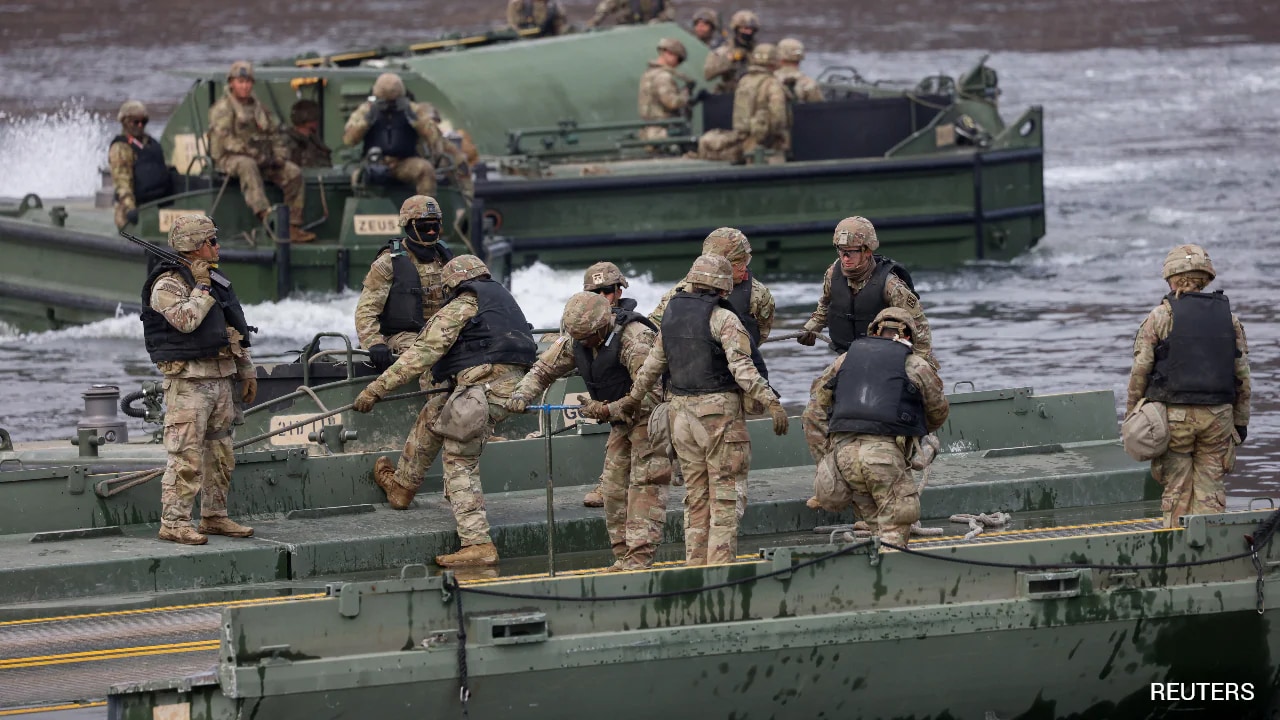
These exercises are a regular summer fixture for the South Korean armed forces and their U.S. allies, involving thousands of troops who train across a range of combat scenarios to maintain readiness and interoperability.
Historical Background
Since the Korean War, joint drills have been a cornerstone of the U.S.–South Korea security alliance. Large‑scale operations such as "Ulchi" and "Foal Eagle," launched in the late 1990s, have reinforced military coordination. Over the decades, the scope and intensity of the drills have fluctuated, yet their strategic importance endures.
Why This Matters
BozokMedia analysis shows that Trump's statement may signal a recalibration of U.S. strategy in the Asia‑Pacific, potentially reshaping North Korean behavior and regional security dynamics.
"Trump's remarks suggest a shift in U.S. priorities, but the core U.S.–South Korea defense framework remains robust," says security analyst Dr. Emily Chen.
Frequently Asked Questions
Question 1: Could the South Korea drills be completely canceled?
Answer: No official cancellation has been announced; the defence ministry maintains that the drills will continue.
Question 2: How might this affect U.S. military presence in the Asia‑Pacific?
Answer: Experts believe it could prompt diplomatic dialogues without causing immediate large‑scale redeployments.