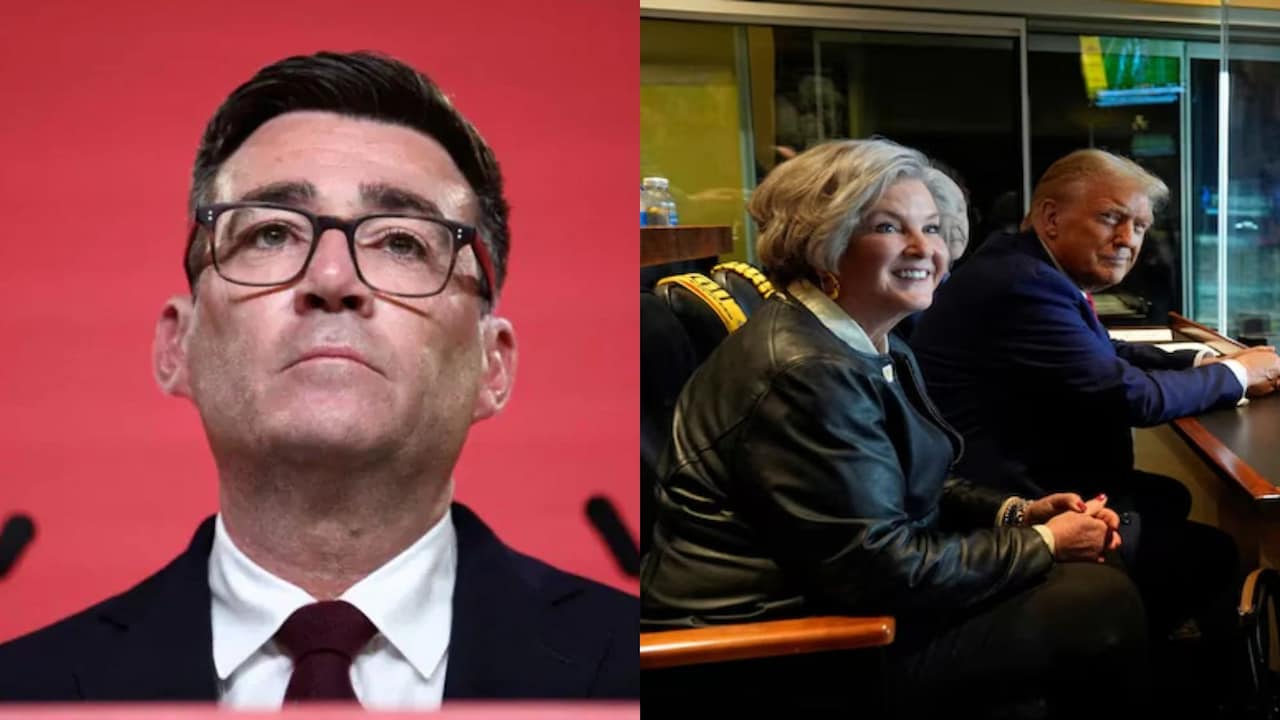
A significant security lapse has been reported at Downing Street, where an individual posing as an ally of Donald Trump allegedly exchanged messages with the British Prime Minister.
- Security breach reported at the UK Prime Minister's office in Downing Street.
- Impostor successfully posed as a close associate of Donald Trump.
- Downing Street declined to comment, citing 'national security' concerns.
In a startling revelation that has sent shockwaves through the British political establishment, the Prime Minister's Office at Downing Street has reportedly been compromised by a sophisticated social engineering attempt. According to reports, an unidentified individual managed to deceive the PM's office by posing as a strategic ally of Donald Trump, leading to a direct exchange of messages.
While the specific contents of the texts remain undisclosed, the mere fact that an unauthorized individual could penetrate the inner circle of communication of a G7 leader is a matter of grave concern. The incident raises urgent questions regarding the vetting processes and the security of digital communication channels used by high-ranking officials.
Why This Matters
BozokMedia analysis shows that this incident underscores the precarious balance between maintaining informal diplomatic ties and ensuring rigid security. As world leaders increasingly rely on rapid-response messaging apps for agility, they inadvertently create 'backdoors' that can be exploited by bad actors or foreign intelligence operatives.
The transition from formal diplomatic cables to instant messaging has outpaced the evolution of security protocols for heads of state.
Historically, the UK government has maintained a fortress-like approach to its communications. However, the shift toward digital-first diplomacy has introduced new vulnerabilities. This breach suggests that the 'human element'—trust and the desire for exclusive access to powerful figures like Donald Trump—remains the weakest link in any security chain.
When pressed for details, the Prime Minister's Office refused to provide a comprehensive statement, labeling the incident a "national security matter." Crucially, the office did not explicitly deny that the exchange of messages took place, which lends significant weight to the reports of the breach.
Frequently Asked Questions
Q1: What was discussed in the exchanged messages?
A: The specific content of the messages has not been revealed to the public.
Q2: Did the UK government admit the breach?
A: While they didn't provide details, they didn't deny the exchange, calling it a national security matter.