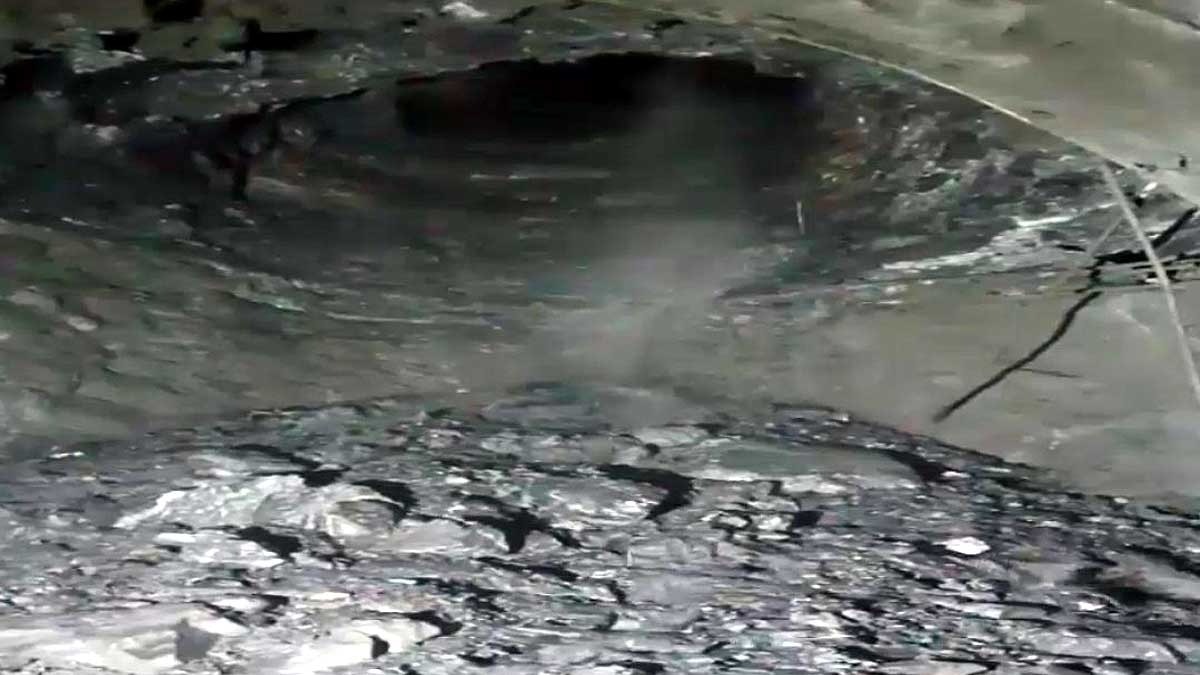
Following the recent tragedy at Pipalkoti, new safety concerns have emerged at the Tapovan Vishnugad tunnel due to significant water leakage, sparking fears of structural instability in the fragile Himalayan region.
- Water leakage detected in the Tapovan Vishnugad tunnel, raising safety alarms.
- The incident follows a series of geological mishaps in the Pipalkoti region.
- Concerns are growing over the environmental impact of tunneling in the fragile Himalayan ecosystem.
The Himalayan region is once again on high alert as reports of water leakage have surfaced from the Tapovan Vishnugad tunnel. This development comes on the heels of the devastating Pipalkoti accident, adding to the growing anxiety regarding the safety of large-scale infrastructure projects in Uttarakhand's sensitive zones.
Engineers and geological experts are currently assessing the extent of the seepage. Initial reports suggest that the leakage could be a result of intersecting an underground aquifer or a failure in the tunnel's lining system. Given the volatile nature of the terrain, such leaks can lead to sudden soil erosion or, in extreme cases, tunnel collapse.
Why This Matters
BozokMedia analysis shows that the recurring nature of these incidents points toward a systemic failure in conducting comprehensive Environmental Impact Assessments (EIA) before commencing excavation. The Tapovan Vishnugad project, while critical for power generation, operates in a zone prone to high seismic activity and glacial instability.
"The intersection of hydro-geological pressures and aggressive tunneling in the Himalayas often leads to unpredictable structural failures."
Historically, the region has seen several disasters, including the 2021 Chamoli flash flood, which devastated the Tapovan project site. The current leakage is seen by environmentalists as a warning sign that the mountains are resisting the artificial bores and tunnels being carved through them.
Local authorities have increased monitoring and are considering temporary suspensions of work to prevent any loss of life. However, the pressure to complete the project often clashes with the necessity of stringent safety protocols.
Frequently Asked Questions
Is the tunnel currently operational?
The tunnel is under strict monitoring, and certain sections may be restricted until the leakage is plugged.
What causes water leakage in such tunnels?
It is usually caused by hitting a water-bearing rock layer or cracks in the concrete lining due to tectonic shifts.