The Brihanmumbai Municipal Corporation (BMC) has proposed a massive 3-km underground pedestrian link connecting the Nehru Science Centre Metro station to the Haji Ali Coastal Road, integrating the Mahalaxmi Racecourse into a modern transit hub.
- ₹702.44 crore project to create a 3-km underground pedestrian link.
- Connects Nehru Science Centre Metro station to Haji Ali Coastal Road promenade.
- Includes underground parking, indoor sports arenas, and a 'Central Park' on the surface.
- MMRCL is proposed as the executing agency to bypass traditional tendering.
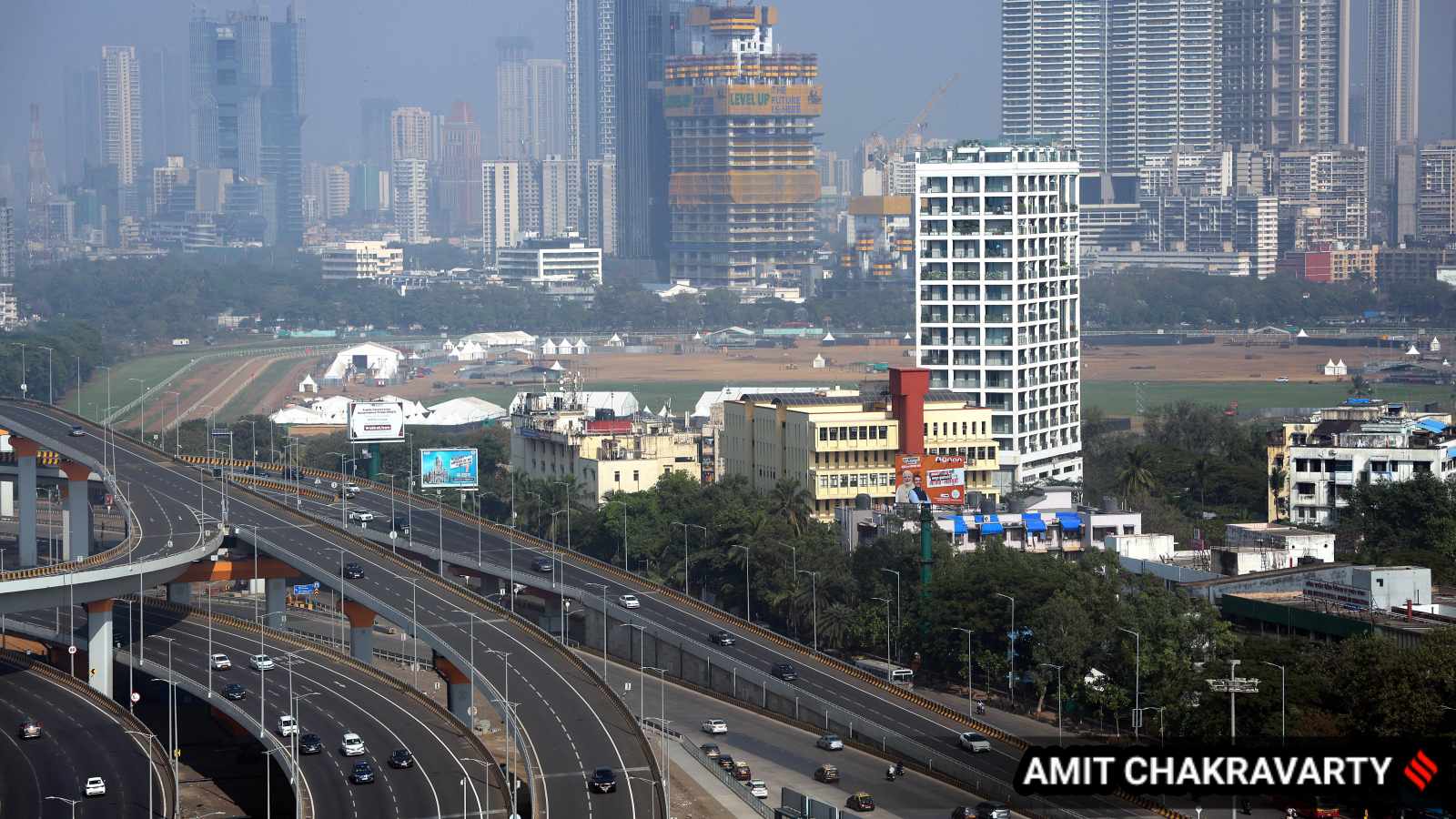
The Brihanmumbai Municipal Corporation (BMC) is set to transform urban mobility in South Mumbai with a proposed ₹702.44-crore underground walkway. This ambitious project, designed as a pilot under the Transit-Oriented Development (TOD) initiative, aims to create a seamless, weather-proof pedestrian corridor stretching 3 kilometers. The link will specifically connect the Nehru Science Centre Metro station to the newly developed Coastal Road promenade at Haji Ali.
A significant portion of this walkway will run beneath the historic Mahalaxmi Racecourse. To facilitate public access, the BMC plans to install underground lobbies equipped with high-speed escalators and lifts. This infrastructure will serve as the gateway to the surface-level developments planned for the Racecourse land, where the BMC has already acquired 120 out of 211 acres for public utility.
Why This Matters
BozokMedia analysis shows that this project represents a strategic shift toward 'multi-layered urbanism.' By moving pedestrian traffic underground, Mumbai can reduce surface-level congestion and maximize the utility of expensive real estate. The integration of a Metro station with a Coastal Road promenade via a subterranean link creates a high-efficiency transit loop that encourages public transport usage over private vehicles.
Beyond the walkway, the BMC envisions a massive green lung for the city. The surface of the Racecourse is slated to become a Central Park, featuring a botanical garden, a topiary garden, and a city forest. Furthermore, the space beneath the Racecourse will not just be for transit; plans include an indoor sports arena and a large-scale convention hall, effectively turning the area into a subterranean civic hub.
"Integrating subterranean transit with surface-level green spaces is the only way for hyper-dense cities like Mumbai to breathe and move efficiently in the 21st century."
The project's execution is proposed to be handled by the Mumbai Metro Rail Corporation Ltd (MMRCL). The BMC has requested a relaxation of standard tendering rules to allow MMRCL to execute the work directly, arguing for technical synergy. Funding will be released in installments based on project milestones, starting with 25% upon the signing of a Memorandum of Understanding (MoU).
However, the project has faced political headwinds. Senior Congress leader Ashraf Azmi has raised concerns regarding the BMC's financial health, noting that the civic body already owes approximately ₹8,000 crore to existing contractors. Critics argue that committing another ₹702 crore could exacerbate the city's debt crisis and delay other essential civic works.
| Feature | Proposed Underground Link | Traditional Surface Transit |
|---|---|---|
| Traffic Impact | Zero surface congestion | High congestion/Pedestrian risk |
| Connectivity | Metro $\rightarrow$ Racecourse $\rightarrow$ Coastal Road | Fragmented road-based travel |
| Amenities | AC Lobbies, Lifts, Indoor Sports | Standard pavements/Crossings |
Frequently Asked Questions
1. Who will build the underground walkway?
The BMC proposes that the Mumbai Metro Rail Corporation Ltd (MMRCL) execute the project directly.
2. What will happen to the surface of the Racecourse?
It will be developed into a 'Central Park' with botanical gardens and a city forest.