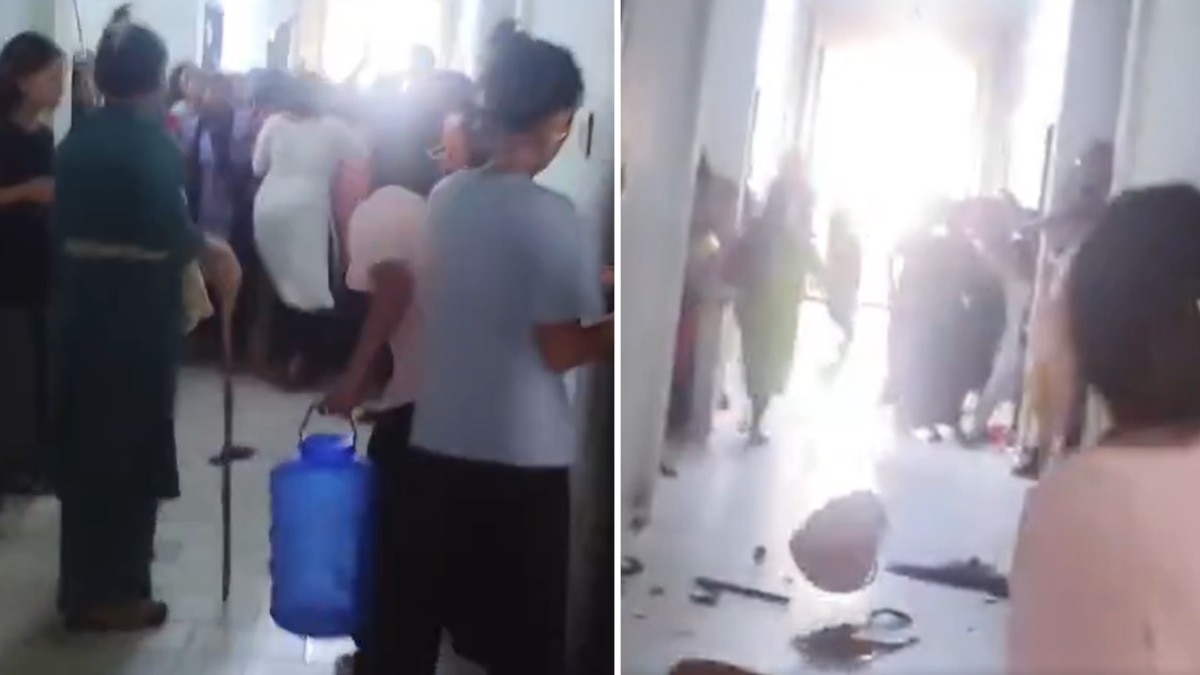
The Delhi Police have approached the Supreme Court to counter allegations of excessive force, revealing that over 240 personnel were injured during the 'Chalo Sansad' march. The legal battle highlights the tension between democratic protest rights and law enforcement security.
- Over 240 Delhi Police personnel were reportedly injured during the July 20 protest.
- The clash occurred during the 'Chalo Sansad' march organized by the Cockroach Janta Party.
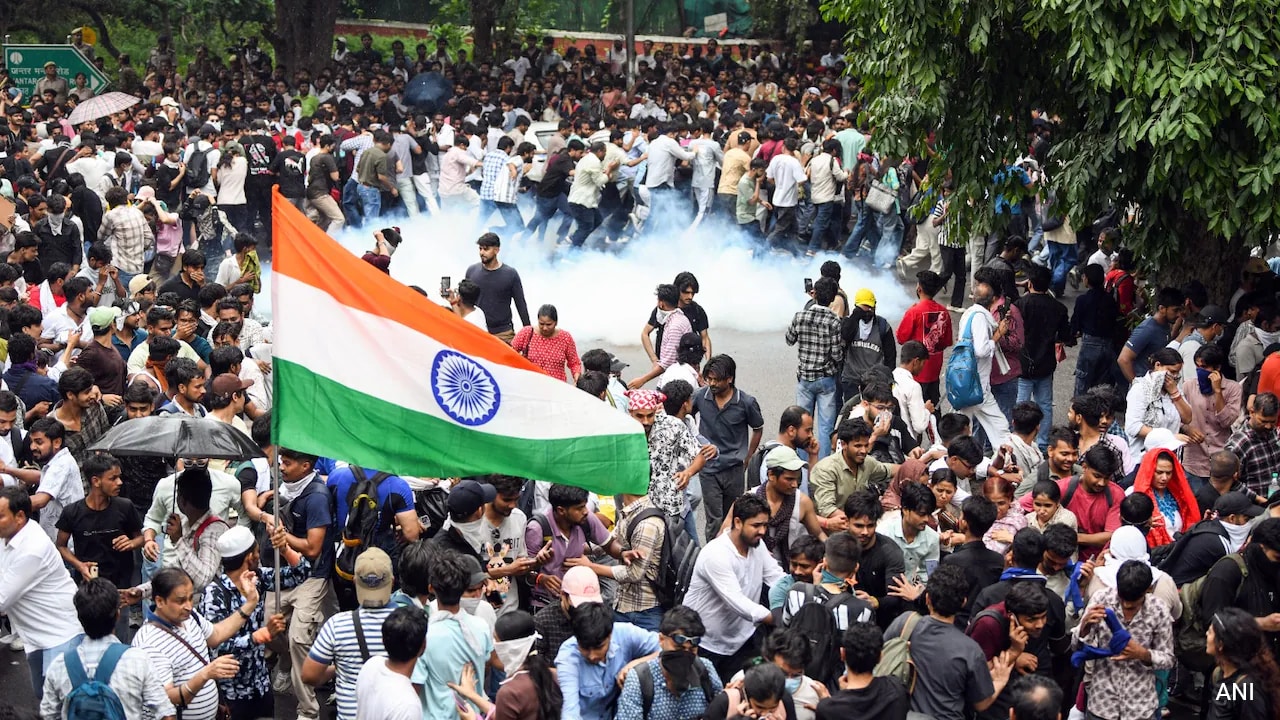
- Police utilized tear gas to disperse the crowds near Jantar Mantar.
- The matter has now escalated to the Supreme Court to address the 'one-sided' portrayal of events.
The Delhi Police have formally submitted a response to the Supreme Court, asserting that the public narrative surrounding the crackdown at Jantar Mantar on July 20 is incomplete and biased. According to the police affidavit, the 'Chalo Sansad' march, organized by the Cockroach Janta Party, devolved into violence, resulting in significant casualties among the security forces.
During the escalation, police officials stated that the crowd became uncontrollable, necessitating the use of tear gas to prevent further chaos and protect government installations. The police claim that while the media and activists focused on the protesters, more than 240 police personnel sustained injuries while attempting to maintain law and order in the heart of the national capital.
Why This Matters
BozokMedia analysis shows that this case represents a critical juncture in the judicial interpretation of 'reasonable force.' When law enforcement agencies claim high injury rates among their own ranks, it often shifts the court's perspective from the violation of civil liberties to the necessity of state security. This legal battle will likely set a precedent for how future protests in New Delhi are managed and reported.
"The tension between the right to assemble and the state's duty to maintain order often reaches a breaking point when police casualties are documented in the highest court."
Historically, Jantar Mantar has been the epicenter of Indian grassroots activism. However, in recent years, the area has seen increased restrictions and stringent policing. The 'Chalo Sansad' march was part of a series of demonstrations aimed at bringing marginalized voices to the Parliament, but the resulting clash has sparked a debate on the proportionality of police response.
Frequently Asked Questions
Who organized the July 20 protest?
The protest was organized by the Cockroach Janta Party as part of their 'Chalo Sansad' march.
What was the police's primary justification for using tear gas?
The Delhi Police claimed the crowd had become uncontrollable and tear gas was necessary to maintain order and prevent violence.