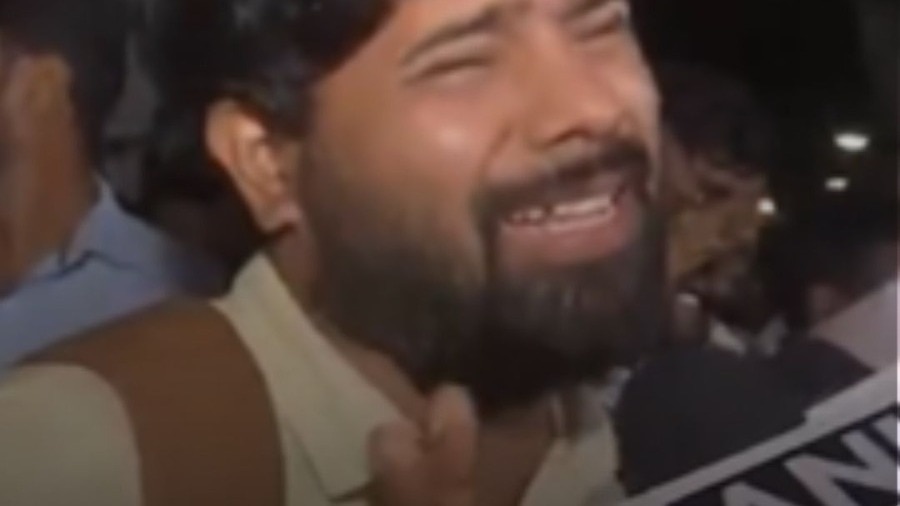
The Delhi Police has informed the Supreme Court that the CJP's Parliament march was illegal and involved the participation of history-sheeters. The force claimed they had to use barricades and force to control a mob of 30,000 people.
- Delhi Police labeled the CJP Parliament march as illegal.
- History-sheeters were reportedly involved in the demonstration.
- Police cited barricade destruction and violence as reasons for force.
In a significant legal development, the Delhi Police has submitted a report to the Supreme Court asserting that the Parliament march organized by the CJP was unauthorized and illegal. According to the police, the protest lacked the necessary legal permissions, making it a breach of public order protocols.
The police detailed that the situation escalated rapidly when a massive crowd, estimated at nearly 30,000 individuals, gathered at the protest site. The authorities claimed that the mob actively worked to break through police barricades, leading to a chaotic environment. To prevent further escalation and protect public property, the police stated they were compelled to use force, including lathi charge.
Why This Matters
BozokMedia analysis shows that this confrontation highlights the increasing tension between the right to protest and the state's mandate to maintain order. The involvement of alleged 'history-sheeters' adds a layer of criminal complexity to what was presented as a civil protest.
The distinction between a peaceful protest and a lawless mob often hinges on the presence of organized criminal elements.
The Supreme Court is currently deliberating on the necessity of a high-powered committee to investigate the conduct of the police and the nature of the protest. While the CJP has expressed dissatisfaction over the non-quashing of FIRs, the police maintain that their actions were strictly within the bounds of maintaining law and order.
Historically, protests in the national capital have often led to friction between security forces and activists. However, the specific allegation that organized criminals were part of this particular march marks a shift in how such movements are being monitored and reported by law enforcement agencies.
Frequently Asked Questions
Question 1: Why did the Delhi Police call the march illegal?
Answer: The police claimed the organizers did not obtain the required legal permits for the march.
Question 2: What was the scale of the protest?
Answer: The police reported a crowd size of approximately 30,000 people.