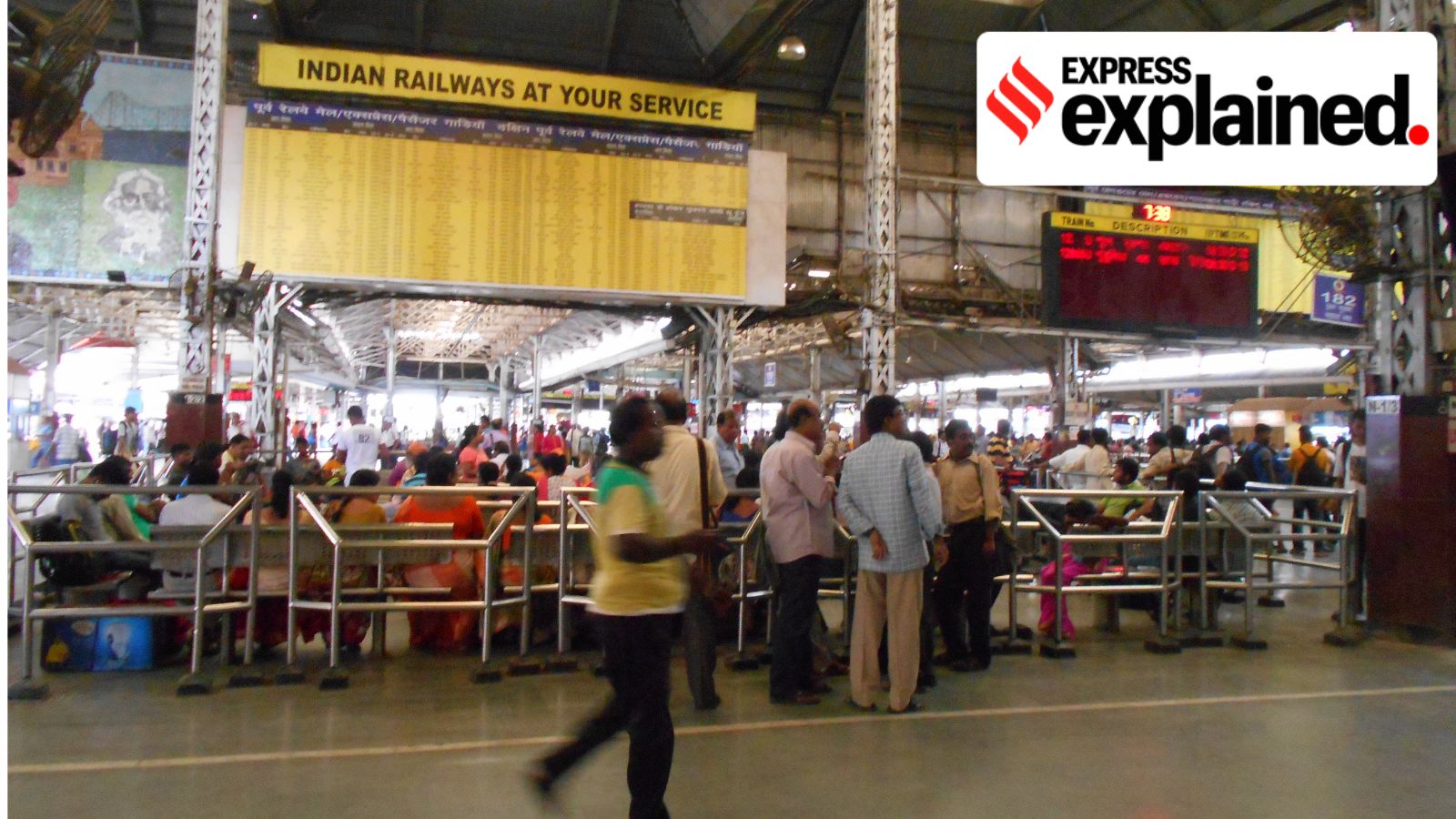
A scathing CAG report reveals that E. coli bacteria have contaminated drinking water at several Indian railway stations, while 89% of audited stations fail to provide basic essential amenities.
- Only 11% of audited stations met all Minimum Essential Amenities (MEA) norms.
- E. coli bacteria detected in water samples at major hubs including CSMT, Hyderabad, and Coimbatore.
- Significant gaps in accessibility for Divyangjan, with up to 58% deficiency in specific facilities.
- Between 36% and 44% of allocated customer amenity funds remained underutilized.
A recent audit by the Comptroller & Auditor General (CAG) of India has sent shockwaves through the Ministry of Railways. The report, tabled in Parliament on August 12, exposes a systemic failure in maintaining passenger facilities across the national rail network between 2019-20 and 2023-24. From contaminated water to missing toilets, the findings suggest a stark disconnect between infrastructure goals and ground reality.
The Failure of Minimum Essential Amenities (MEA)
The concept of Minimum Essential Amenities (MEA) was introduced in 2003 to ensure every passenger has access to basic needs: drinking water, seating, urinals, toilets, and platform shelters. Despite a revision in 2018 and a deadline for implementation, the CAG found that only 11% of inspected stations were fully compliant.
The audit highlighted that even high-revenue stations—including New Delhi, Howrah, Secunderabad, and Chhatrapati Shivaji Maharaj Terminus (CSMT)—failed to meet these basic benchmarks. Out of 512 non-suburban stations studied, a staggering 458 lacked one or more essential services, ranging from inadequate dustbins to a lack of electronic train indicator boards.
Why This Matters
BozokMedia analysis shows a concerning trend where the Ministry of Railways prioritizes high-visibility projects (like Vande Bharat) over the invisible but critical maintenance of station hygiene. When 89% of stations fail basic norms, it indicates a collapse in the monitoring mechanism and a disregard for the daily experience of the common commuter.
"The presence of E. coli in public drinking water is not just a maintenance lapse; it is a public health crisis waiting to happen in high-density transit hubs."
Public Health Crisis: Contaminated Water
The most alarming finding is the presence of E. coli bacteria in water coolers at stations like Coimbatore, Palakkad Junction, Hyderabad, and Lonavala. E. coli is typically an indicator of fecal contamination, posing severe risks of gastrointestinal infections. The CAG noted that chemical analysis of water was completely ignored at 179 stations.
| Metric/Amenity | Finding/Deficiency Rate |
|---|---|
| Stations meeting all MEA norms | Only 11% |
| Drinking water tap shortage | 188 stations |
| Divyangjan ramp deficiency | 44% |
| Budget Underutilization | 36% - 44% |
In response to the report, Railway Minister Ashwini Vaishnaw has ordered the installation of a 'tank to tap' filtration system at 20,000 locations. The ministry has promised that water quality will now be monitored at the board level with periodic transparency reports.
Frequently Asked Questions
Q1: What are the health risks of E. coli in drinking water?
A: It can lead to severe stomach cramps, diarrhea, and in extreme cases, hemolytic uremic syndrome (HUS), which affects the kidneys.
Q2: How did the CAG conduct this study?
A: The CAG audited 512 non-suburban stations (roughly 8.66% of the total) across 13 zones between 2019 and 2024.