Following the Pahalgam massacre, the Indian Army has launched a massive, multi-layered campaign across J&K. From Operation Mahadev to dismantling the Shahzad Bhatti network, security forces are systematically dismantling terror ecosystems.
- Since the April 2025 Pahalgam attack, the Army has conducted approximately 34 major counter-terror operations.
- Operation Mahadev successfully neutralized the terrorists responsible for the Pahalgam massacre.
- The crackdown on the Shahzad Bhatti network led to 253 arrests across 14 Indian states.
- Security forces are integrating UAVs, drones, and satellite imagery to enhance tracking capabilities.
In a sustained and aggressive push against insurgency, the Indian Army has intensified its counter-terror operations across Jammu and Kashmir. Following the devastating April 2025 Pahalgam terror attack, security formations including the Chinar Corps and White Knight Corps have executed a series of high-stakes missions designed to dismantle Pakistan-sponsored terror networks at their roots.
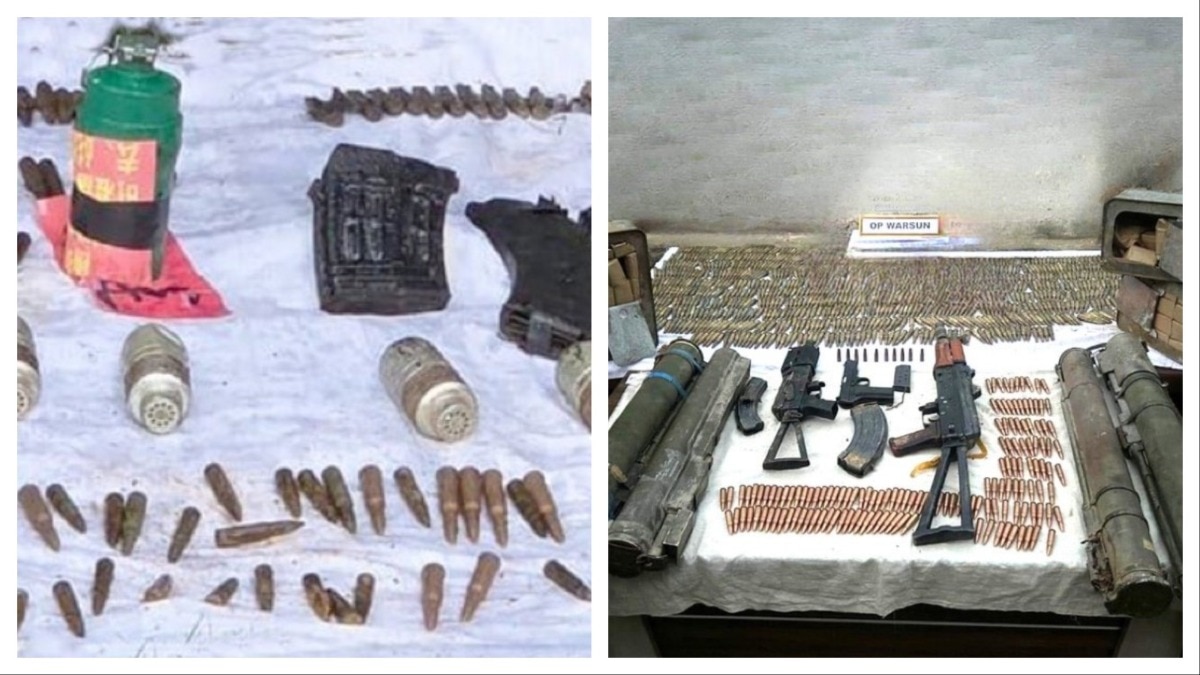
Exclusive operational records reveal that the campaign has evolved from localized skirmishes into a sophisticated, intelligence-driven offensive. This strategy focuses not just on neutralizing active terrorists, but on destroying their logistics, arms caches, and the wider support networks that facilitate infiltration. The recent massive crackdown on the Shahzad Bhatti network, resulting in 253 arrests across 14 states, underscores the national scale of this counter-terror effort.
Why This Matters
BozokMedia analysis shows that the Indian security apparatus has transitioned to a highly effective two-layered grid. While the first layer focuses on sealing the Line of Control (LoC) to prevent infiltration, the second layer targets the 'hinterland' ecosystem—the facilitators and sleeper cells that allow terror groups to operate within civilian populations. This dual approach aims to deny terrorists any opportunity to regroup.
The shift from reactive engagement to proactive, technology-led neutralization marks a new era in India's internal security doctrine.
The momentum gained during Operation Mahadev has been pivotal. Launched in response to the Pahalgam massacre, the operation culminated in the neutralization of the primary perpetrators in the Dachigam area. Since then, operations like 'Operation Diggi-2' in Uri and 'Operation Chitragam' in Shopian have successfully disrupted terror activities, including the recovery of a massive 14.5-kg IED.
In the Jammu sector, the White Knight Corps has been equally relentless. In the difficult terrains of Kishtwar, 'Operation Trashi-I' saw the elimination of seven Jaish-e-Mohammed terrorists, including commander Saifullah. To overcome the challenges of mountainous terrain, the Army is increasingly relying on advanced technology, including UAVs, drones, and satellite imagery, to maintain a constant vigil over infiltration routes and terrorist hideouts.
Frequently Asked Questions
Question 1: What was the significance of Operation Mahadev?
Answer: It was a critical intelligence-led operation launched to hunt down and eliminate the terrorists responsible for the April 2025 Pahalgam attack.
Question 2: How is technology changing the fight against terror in J&K?
Answer: The integration of drones, UAVs, and satellite surveillance allows the Army to track terrorists in difficult terrains and monitor the LoC with unprecedented precision.