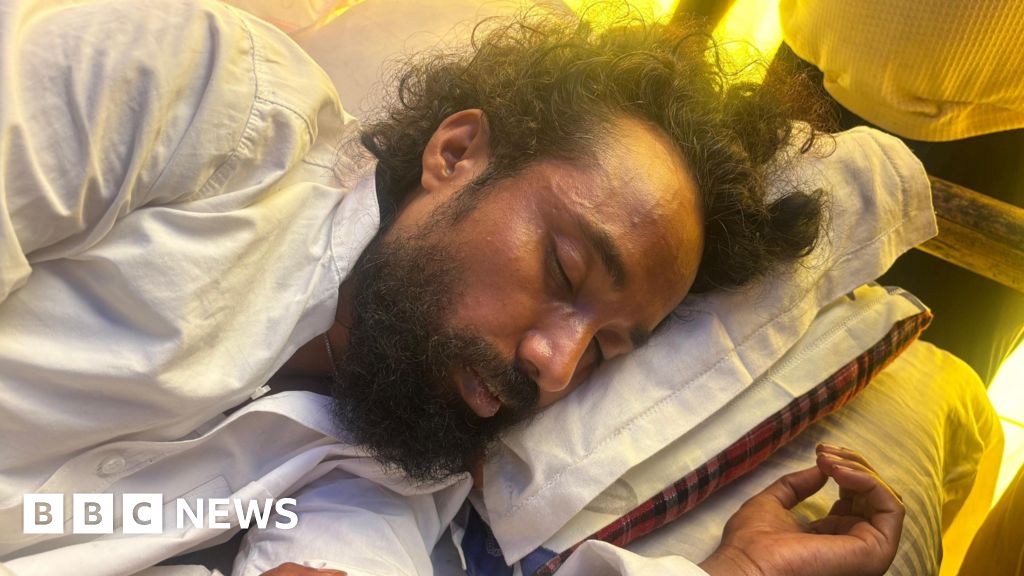
Student activist Devendra Nath Mahto has broken his 16-day hunger strike following the Jharkhand government's decision to scrap controversial recruitment exams and launch investigations.
- Student leader Devendra Nath Mahto ended his 16-day hunger strike in Ranchi.
- The Jharkhand government agreed to cancel the JSSC-CGL exam and all exams conducted by private agency TDPL.
- An investigation into recruitment exams dating back to 2014 has been ordered.
- Protesters continue to demand a CBI probe into alleged malpractices.
In a significant development for the student movement in Jharkhand, activist Devendra Nath Mahto has ended his grueling 16-day hunger strike. The decision comes after the state government conceded to major demands, including the cancellation of highly controversial recruitment examinations that had sparked widespread unrest.
Mahto, a central figure in the protests that began on July 25, ended his fast at a hospital in the capital, Ranchi, in the presence of state ministers. His health had deteriorated significantly over the past week, leading to his hospitalization. The protests were ignited by allegations of widespread irregularities, question paper leaks, and manipulation in various government recruitment processes.
Why This Matters
BozokMedia analysis shows that these protests highlight a systemic crisis in India's competitive examination landscape. As millions of youths vie for limited government positions to secure stability, any breach in the integrity of the recruitment process causes profound socio-economic distress and erodes public trust in state institutions.
The integrity of recruitment exams is fundamental to social justice; when these systems fail, the future of an entire generation is compromised.
Chief Minister Hemant Soren announced that the JSSC-CGL examination would be scrapped and that shocking facts are emerging through the ongoing CID investigation. Furthermore, the government has ordered the cancellation of all exams conducted by the private firm TSR Data Processing Private Limited (TDPL) and has mandated an investigation into recruitment processes dating back to 2014.
Historical Background
Recruitment controversies have become a recurring theme in Indian state politics. In Jharkhand, the current unrest was catalyzed by the preliminary civil service exam results, where discrepancies in shared answer sheets fueled suspicions of mass manipulation. This movement follows similar large-scale student protests seen in Delhi, which have previously led to significant political shifts.
Frequently Asked Questions
1. What was the primary cause of the Jharkhand protests?
The protests were triggered by alleged malpractices, paper leaks, and irregularities in government recruitment exams.
2. What is the next step for the protesters?
While the hunger strike has ended, many protesters are refusing to leave their sites until the CBI is brought in to investigate the scams.