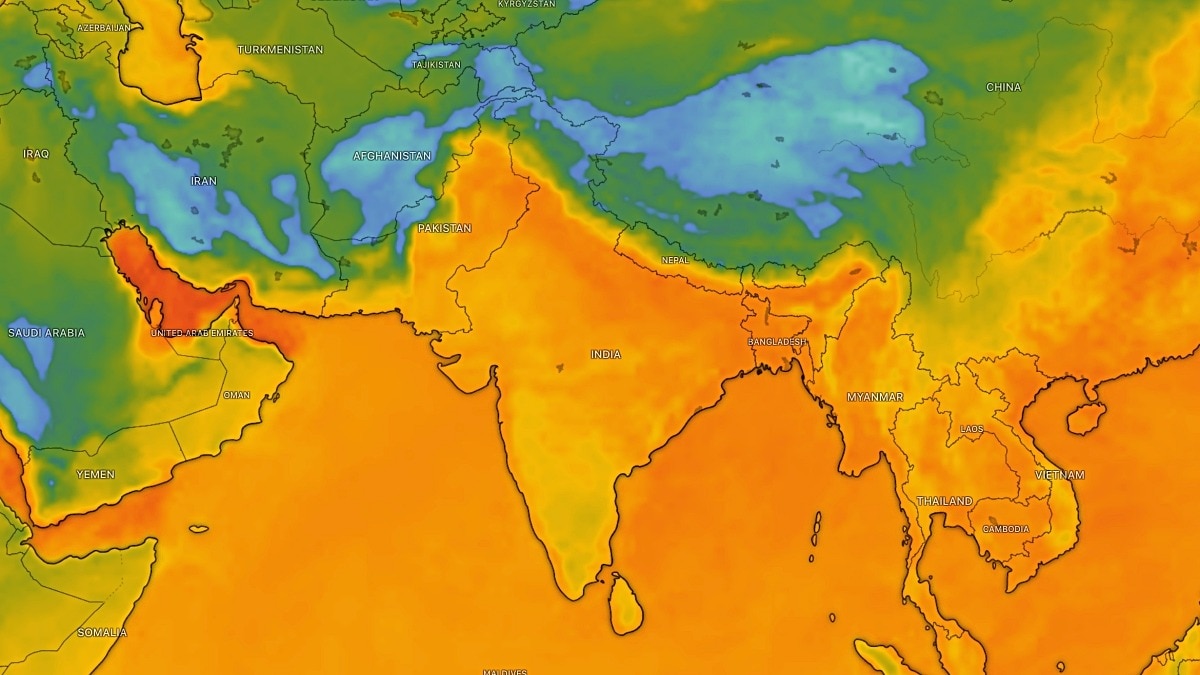
India's monsoon progress is facing a significant hurdle as dry air masses from Pakistan threaten to disrupt rainfall patterns, potentially impacting agriculture and water reserves.
- Dry air masses originating from Pakistan are neutralizing moisture-laden monsoon winds.
- A slowdown in rainfall could jeopardize Kharif crop yields and reservoir levels.
- Meteorologists warn of atmospheric pressure shifts causing this disruption.
The Indian monsoon is the lifeblood of the nation's economy and food security. However, recent meteorological observations indicate a troubling trend: dry air masses flowing from Pakistan are beginning to impede the progress of the monsoon, leading to a noticeable slowdown in precipitation across several regions.
According to atmospheric scientists, when dry continental air intersects with the moist maritime air of the monsoon, it creates a stability layer that inhibits cloud formation. This phenomenon effectively 'starves' the rain-bearing systems, preventing them from discharging their moisture over the Indian landmass.
Why This Matters
BozokMedia analysis shows that the timing of this disruption is critical. With millions of farmers relying on timely rains for sowing, a prolonged dry spell induced by western air masses could lead to significant crop failure and trigger inflation in food prices across the country.
"The influx of continental dry air from the west acts as a thermal barrier, neutralizing the moisture-laden winds from the Arabian Sea."
Historically, such patterns have led to uneven rainfall distribution. While some coastal areas might receive excessive rain, the interior regions—particularly the Northwest—suffer from moisture deficits. This disparity often leads to a dual crisis of localized flooding and widespread drought.
The long-term implications involve a shift in the traditional monsoon trajectory. As global warming alters pressure gradients, the frequency of such 'dry air intrusions' may increase, making the Indian monsoon more unpredictable than ever before.
Frequently Asked Questions
Q1: How does dry air from Pakistan affect Indian rain?
A: It reduces the humidity in the atmosphere, preventing the condensation required for cloud formation and subsequent rainfall.
Q2: Which regions are most vulnerable to this slowdown?
A: North and Northwest India, including states like Rajasthan and Punjab, are most susceptible to these dry air intrusions.