Nearly two decades after the 2008 Mumbai attacks, Indian authorities are leveraging new legal provisions to try Hafiz Saeed and five other Pakistani absconders in their absence, marking a pivotal shift in the pursuit of justice.
- Mumbai Police have initiated the process for 'in absentia' trials against six Pakistani terror suspects, including Hafiz Saeed and Zaki-Ur-Rehman Lakhvi.
- The legal move is powered by Section 356 of the Bharatiya Nyaya Suraksha Sanhita (BNSS) 2023.
- Conviction in these trials will ensure immediate punishment if the accused are ever extradited or brought to India.
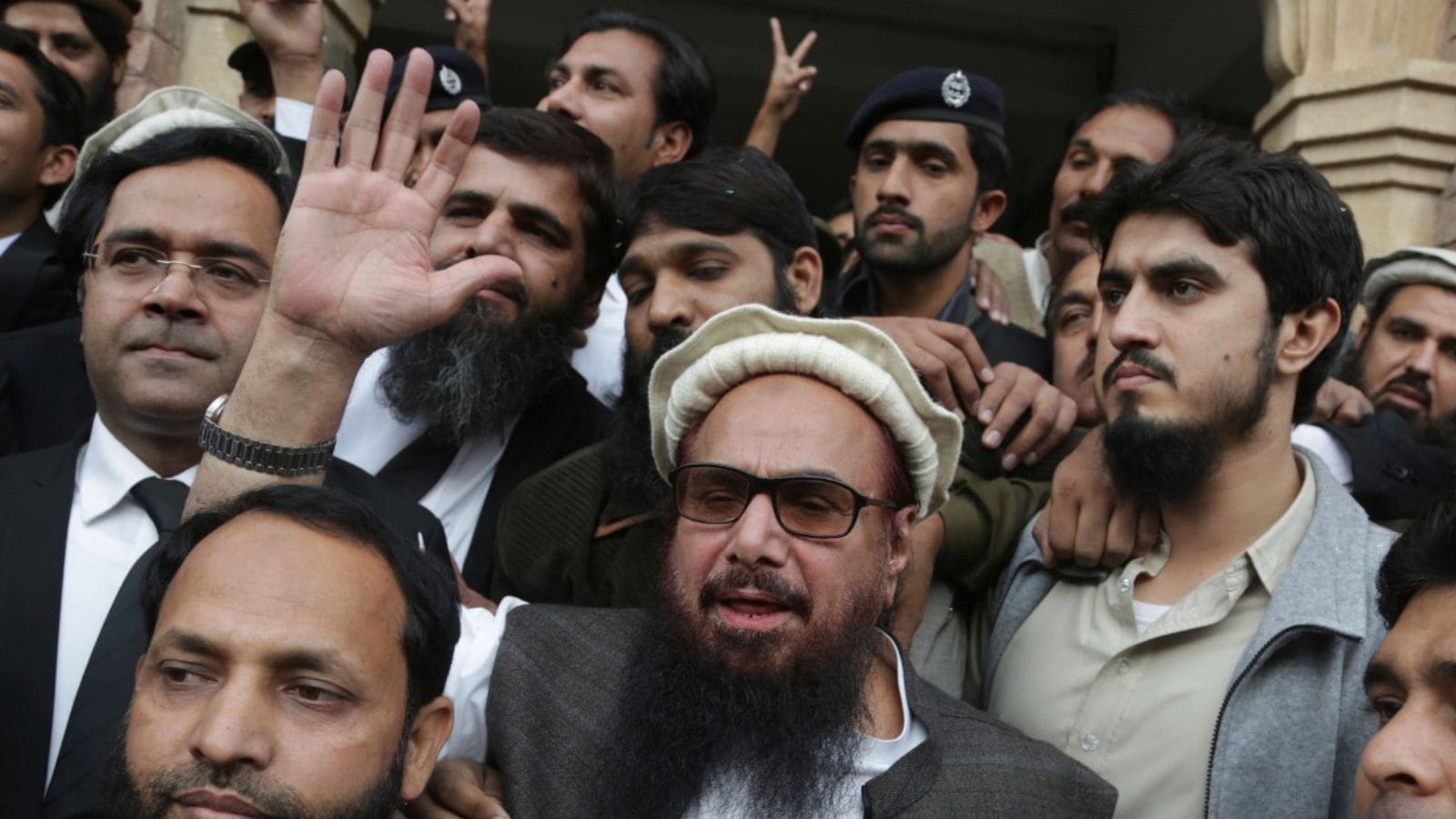
In a significant legal development 18 years after the devastating 26/11 terror attacks, the Mumbai Police have officially commenced the process to conduct an 'in absentia' trial against six high-profile Pakistani nationals. Among the accused are the notorious Lashkar-e-Taiba (LeT) handlers Hafiz Saeed and Zaki-Ur-Rehman Lakhvi, who have long evaded Indian jurisdiction.
The police have formally communicated this move to Special Public Prosecutor Ujjwal Nikam. According to Nikam, the trial court has already issued proclamations against the six absconding individuals. Once the reports on these proclamations are finalized, the court will proceed with the legal proceedings without the physical presence of the accused.
The list of those facing this trial includes Hafiz Saeed, Lakhvi, Sajid Mir, Abu Alqama, Asim (alias Abu Qahafa), and Major Abdur Rehman Pasha. This strategic move ensures that the legal clock does not stop simply because the perpetrators are sheltered in a foreign land.
Why This Matters
BozokMedia analysis shows that this is not merely a symbolic gesture but a calculated application of the Bharatiya Nyaya Suraksha Sanhita (BNSS) 2023. By utilizing Section 356, India is removing the 'absconder loophole' that previously stalled high-profile terror cases. This sets a global precedent for how nations can handle state-sponsored terrorism when diplomatic extradition fails.
The shift to in absentia trials transforms the legal status of these terrorists from 'fugitives' to 'convicted criminals' in the eyes of Indian law, significantly increasing international pressure for their handover.
Historical Background
The 26/11 attacks, which occurred between November 26 and 29, 2008, resulted in the deaths of 166 people and left the city of Mumbai scarred. While Ajmal Kasab was captured, tried, and hanged in 2012, and Abu Jundal remains imprisoned in Arthur Road Jail, the masterminds have remained out of reach. The evidence against the current six accused is heavily supported by the interrogation confessions of Kasab, which detailed the operational roles of the LeT handlers.
| Legal Framework | Previous Code (CrPC) | New Code (BNSS 2023) |
|---|---|---|
| Trial Presence | Accused generally required to be present | Allows trial in absence of absconders |
| Case Progress | Often stalled due to non-appearance | Proceedings continue to final judgment |
Frequently Asked Questions
Q1: What happens if Hafiz Saeed is convicted in an absentia trial?
If found guilty, the court will pass a sentence. Should he ever enter Indian territory or be extradited, the punishment will be executed immediately without a retrial.
The primary targets are Hafiz Saeed, Zaki-Ur-Rehman Lakhvi, Sajid Mir, Abu Alqama, Asim alias Abu Qahafa, and Major Abdur Rehman Pasha.