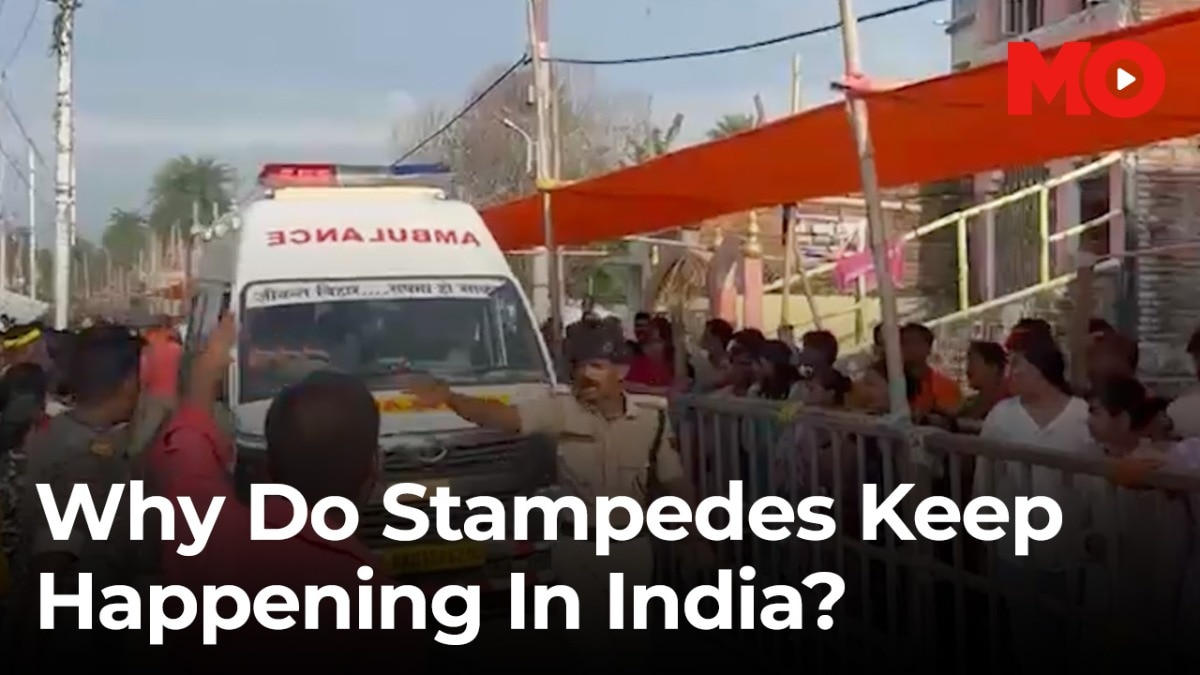
Recurring stampedes at religious and social gatherings in India have revealed a systemic failure in crowd management. This report delves into the infrastructure gaps and administrative lapses leading to these tragedies.
- Severe gaps in India's crowd management protocols.
- Lack of scientific planning in high-density religious gatherings.
- Imbalance between infrastructure capacity and population surge.
In recent years, India has witnessed a series of devastating stampedes that have raised urgent questions about the efficiency of security agencies and urban planning. From massive religious congregations like the Kumbh Mela to local temple festivals and political rallies, the tendency for crowds to spiral out of control is becoming a lethal pattern.
The primary catalyst for these disasters is often poor planning and a lack of real-time crowd monitoring. When thousands converge on a limited space, the 'crowd density' reaches critical levels. Once panic sets in, the situation escalates rapidly, leading to asphyxiation and crushing injuries.
Why This Matters
BozokMedia analysis shows that crowd management in India is largely reduced to deploying police personnel, whereas developed nations utilize 'crowd dynamics' and AI-driven surveillance. Until the administration adopts data-driven planning, simple barricading will remain an insufficient deterrent.
"Crowd management is not about stopping people; it is about scientifically managing the flow of human movement."
Historically, large-scale events in India were managed using traditional, intuitive methods. However, the surge in population and improved accessibility have multiplied the numbers attending these events, while the safety infrastructure has remained stagnant.
| Factor | Traditional Management | Modern Management (Required) |
|---|---|---|
| Monitoring | Manual Counting | CCTV and AI Heatmaps |
| Flow Control | Static Barricading | One-way Flow Channels |
| Communication | Loudspeakers | Digital Alert Systems |
At the administrative level, disaster management plans often exist only on paper. On the ground, a visible lack of coordination between volunteers and security personnel frequently exacerbates the chaos during a crisis.
Frequently Asked Questions
Q1: What is the most effective way to prevent stampedes?
A: Creating designated 'holding areas' and ensuring a strict one-way flow of traffic to prevent opposing crowds from colliding.
Q2: Can technology help in crowd management?
A: Yes, drone surveillance and real-time data analytics can identify high-density pockets, allowing authorities to intervene before a crisis occurs.