The Yamuna Expressway Industrial Development Authority (YEIDA) has approved a series of mega-projects, including a pharmaceutical cluster and a university township, to transform the Jewar region into a global industrial powerhouse.
- Approval of a 500-acre medical hub and 480-acre university township in Sectors 13 and 14.
- Establishment of 'Taiwan City' on 300 acres to attract high-tech electronics investment.
- Development of an international stadium, pharma cluster, and interstate bus terminal to boost connectivity and infrastructure.
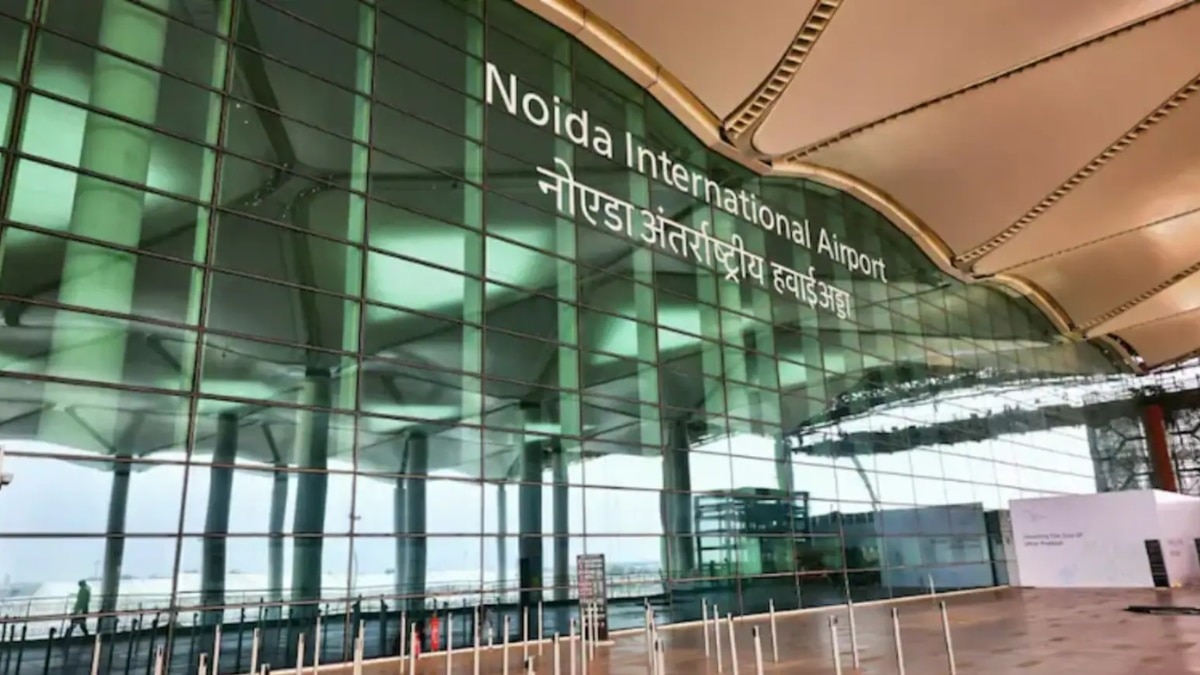
In a strategic move to accelerate the economic trajectory of Western Uttar Pradesh, the Yamuna Expressway Industrial Development Authority (YEIDA) has officially approved a comprehensive suite of infrastructure projects surrounding the upcoming Noida International Airport in Jewar. These approvals, finalized during the 92nd Board meeting in Greater Noida, signal a shift toward creating an integrated ecosystem where healthcare, education, and high-tech manufacturing coexist.
Central to this expansion is the development of a 500-acre medical hub and a 480-acre university township. By dedicating vast tracts of land in Sectors 13 and 14 to these purposes, the state government aims to not only provide world-class healthcare and higher education but also to create a ripple effect of employment in allied service sectors, attracting students and professionals from across the globe.
Why This Matters
BozokMedia analysis shows that the integration of 'Taiwan City'—a 300-acre dedicated zone for electronics and technology—alongside a pharmaceutical cluster indicates that UP is positioning itself as a direct competitor to other global manufacturing hubs. By leveraging the proximity to the Jewar airport, the government is reducing logistical friction for foreign investors, particularly from East Asia.
The sports and logistics infrastructure are also receiving a major overhaul. A 50-acre site in Sector 23D has been earmarked for a modern international stadium, intended to host global events. Simultaneously, a new interstate bus terminal in Sector 23C will serve as the primary transit artery connecting the airport to the surrounding industrial corridors.
The convergence of a global airport with specialized industrial clusters like Taiwan City creates a 'multiplier effect' that can exponentially increase regional GDP.
Furthermore, the pharmaceutical sector is set for a boost with a dedicated 100-125 acre cluster focusing on finished dosage forms. To ensure these products meet global standards, YEIDA has approved a medical device testing facility aligned with US FDA accreditation, ensuring that 'Made in UP' medical products are export-ready.
In a move to maintain harmony with local stakeholders, the board has revised land purchase rates for farmers in Gautam Buddha Nagar and Bulandshahr, increasing the rate by 6% to Rs 4,558 per square metre. This ensures that the local population benefits directly from the rapid urbanization of the region.
| Project | Land Area | Primary Objective |
|---|---|---|
| Medical Hub | 500 Acres | Healthcare Excellence |
| Taiwan City | 300 Acres | Electronics & Tech FDI |
| University Township | 480 Acres | Higher Education |
| Pharma Cluster | 125 Acres | Medicine Manufacturing |
Frequently Asked Questions
Q1: What is 'Taiwan City' and why is it being built?
Taiwan City is a dedicated 300-acre industrial zone designed to attract foreign direct investment (FDI) specifically from Taiwan for electronics and semiconductor manufacturing.
Q2: How will the new projects benefit the local farmers?
The government has increased the land purchase rate to Rs 4,558 per square metre, ensuring fair compensation for farmers during the acquisition process.